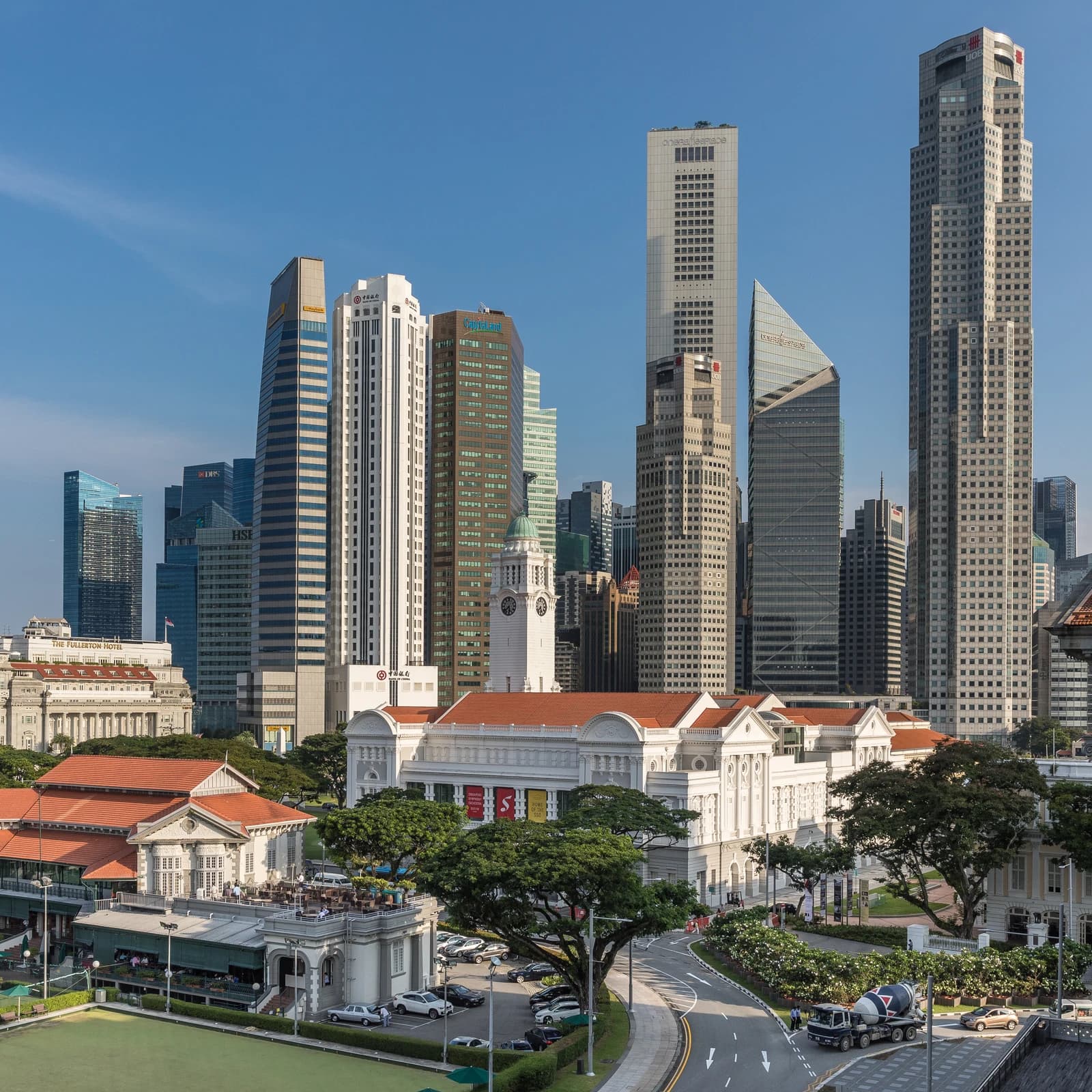
Singapore is bracing for a more fragmented global economy, with Prime Minister Lawrence Wong warning that geopolitical tensions and trade barriers are likely to worsen as major-power competition intensifies. That matters because Singapore’s prosperity is built on open trade, efficient shipping and frictionless capital flows — the exact channels most vulnerable when the world splits into competing blocs.
Singapore warns on trade barriers and global fragmentation
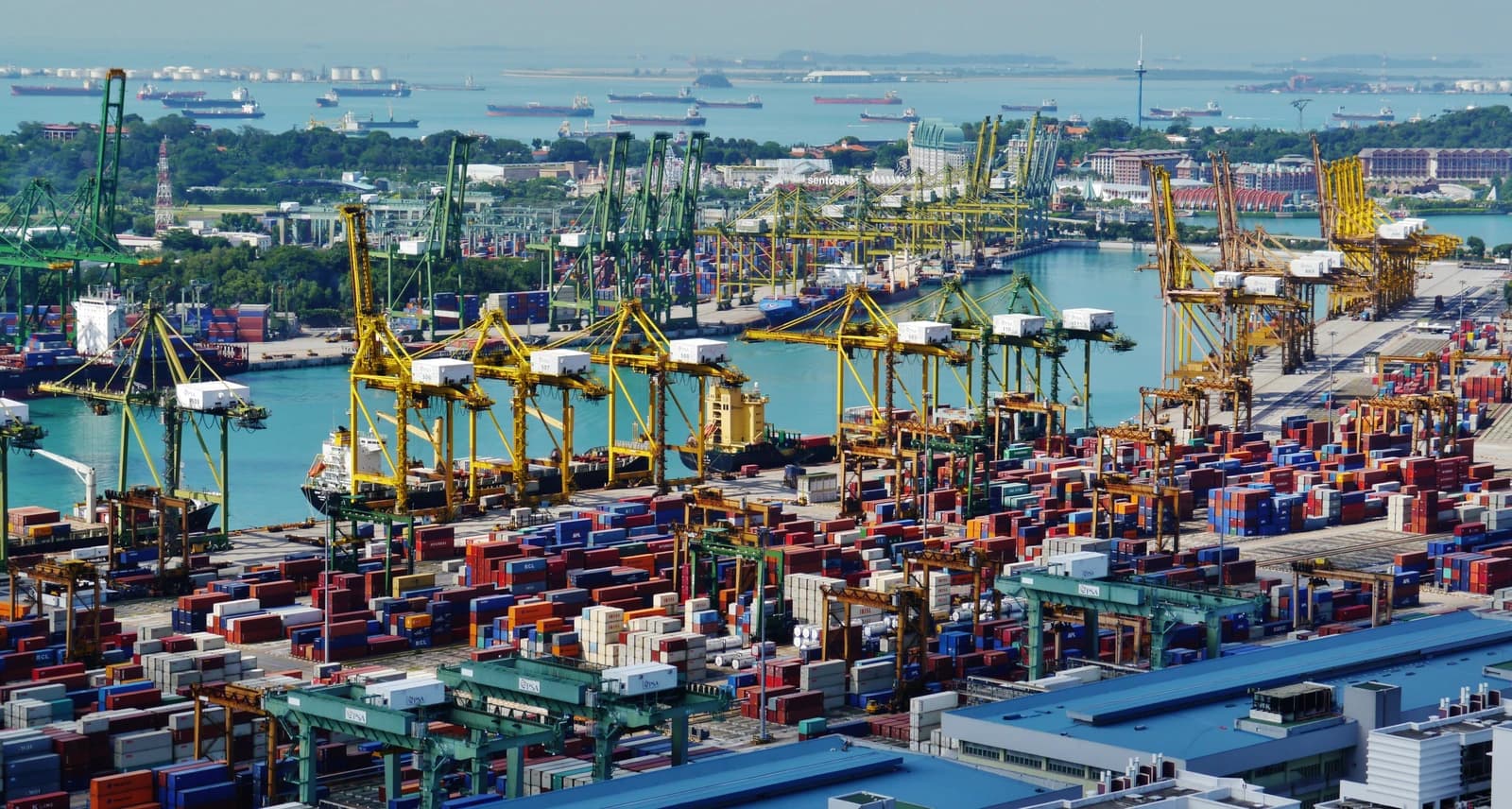
For investors, the message is bigger than one small, trade-dependent economy. When a hub like Singapore says the rules of commerce are getting harsher, it is another sign that supply chains, export routes and cross-border investment will stay under pressure. That is precisely the environment in which markets rotate toward companies that can monetize complexity: defense, cybersecurity, supply-chain software, logistics, energy infrastructure and domestic industrial capacity. The losers are the obvious ones — exporters dependent on one market, multinationals exposed to tariff shocks and cyclical names tied to global volumes.
Sentiment Indicators

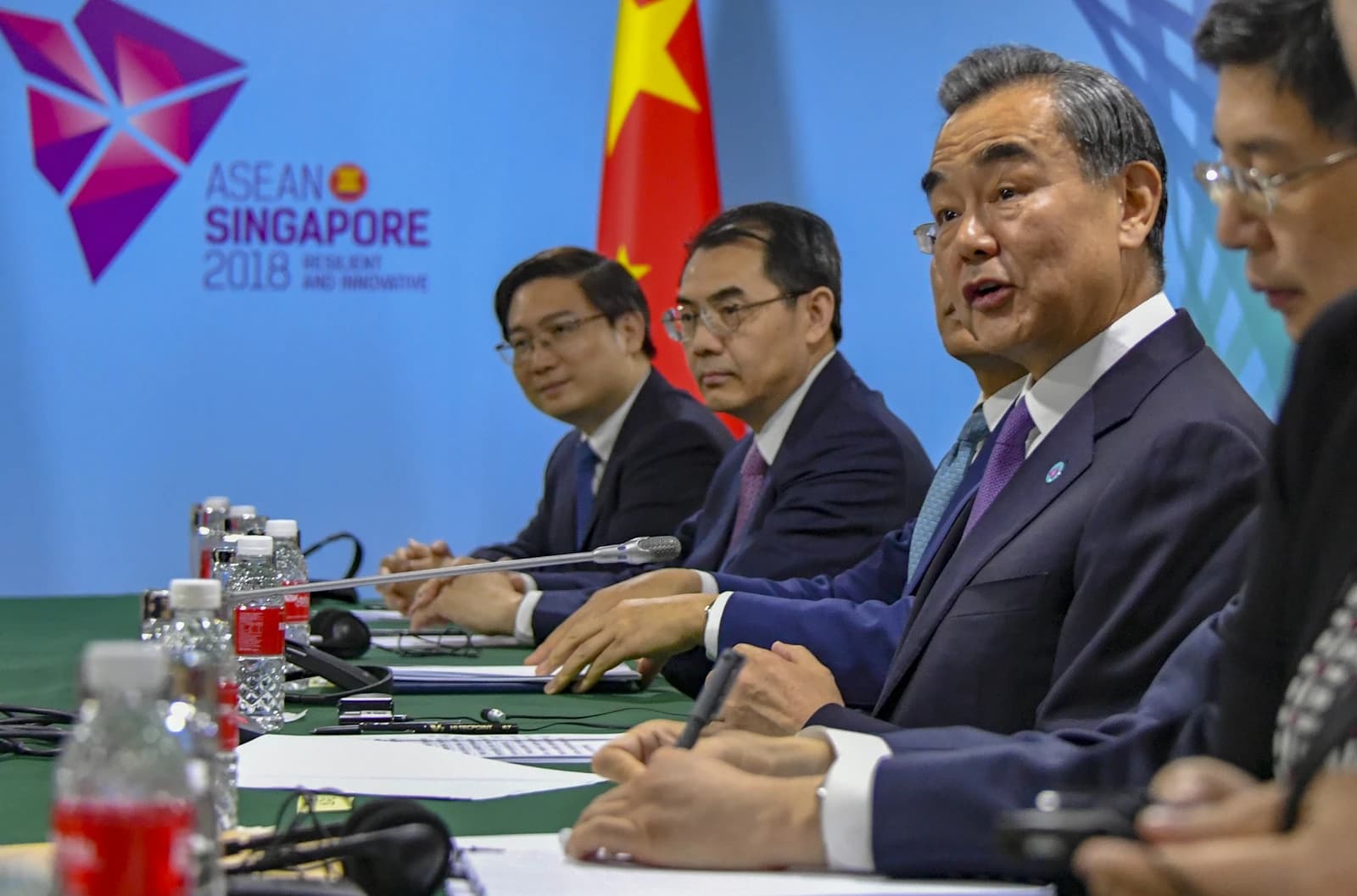
Wong delivered the warning after a trip to China that included the APEC summit and meetings with Chinese leaders, underscoring the delicate balancing act for export economies caught between Washington and Beijing. His framing also points to the practical playbook Singapore and its partners are pursuing: deepen cooperation with like-minded countries even as the broad trading system weakens. That is less a retreat from globalization than a shift toward regional, rules-based trade lanes and strategic redundancy.
The market backdrop reinforces the urgency of that shift. Adalytica’s Global Stability Sentiment is in “Extreme Fear,” while S&P 500 trade signals also show extreme fear even as awareness remains elevated, a combination that typically reflects fast-moving risk aversion rather than a clean macro resolution. The dollar signal is similarly stressed, suggesting investors are still pricing policy and geopolitical churn rather than a stable world order. In that kind of regime, capital tends to favor resilience over leverage to global GDP.
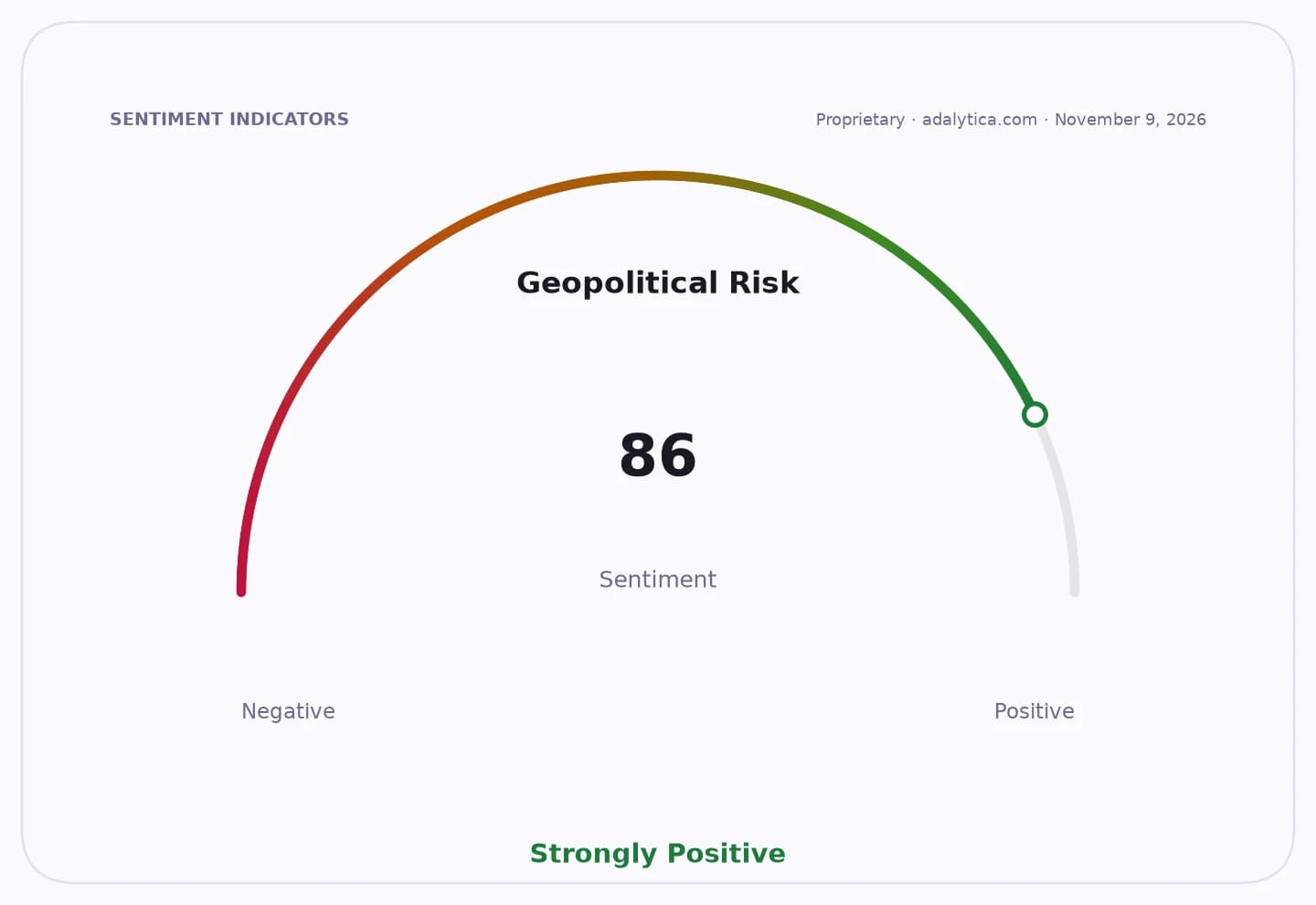
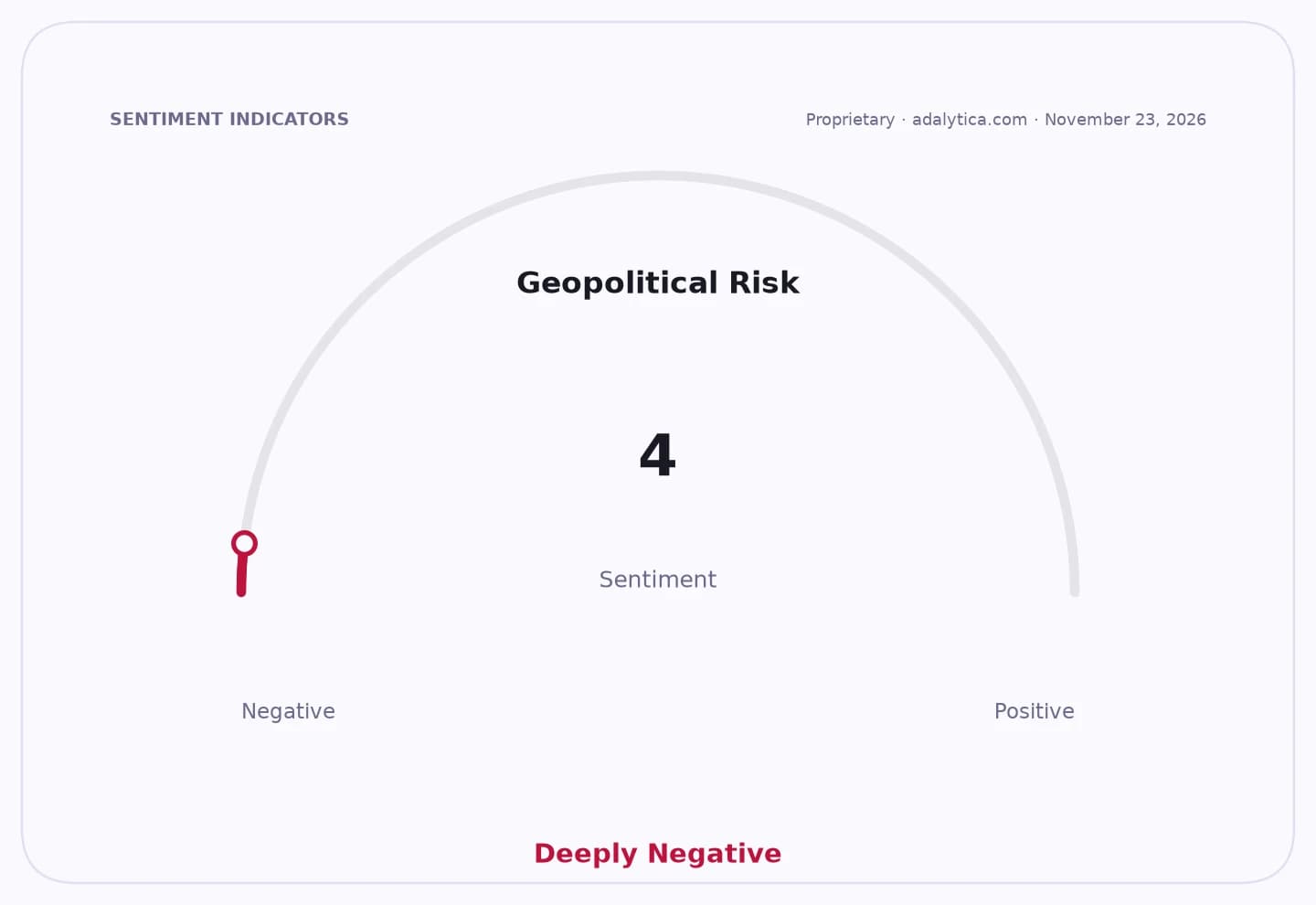
Geopolitical Risk — 30-day sentimentadalytica.com
Explore this data interactively — full history, time series and cross-market comparisons.
Geopolitical Risk
The equity tape tells the same story. The S&P 500 ETF SPY has slipped below its 50-day moving average and is trading near its 200-day line, while RSI readings have weakened sharply, pointing to a market that is struggling to absorb macro and geopolitical headlines. China-focused FXI has also fallen below both its 50-day and 200-day moving averages, while broader emerging-market exposure through EEM is under pressure and sitting near the lower end of its Bollinger Band range. In other words, markets are already voting for caution on the very theme Wong highlighted.
That is why this matters for investors now. A more divided trade system does not just create risk; it creates long-duration winners. The market still underestimates how durable the capex cycle in defense, grid modernization, LNG logistics, ports, semiconductors and industrial automation can be if governments keep responding to fragmentation with industrial policy and friend-shoring. I believe the smarter trade is to own the toll booths on the new global map, not the companies trying to pretend the old map still exists.
The next catalyst will be policy, not rhetoric: more bilateral deals, more tariff retaliation, more export controls and more incentives to relocate production closer to end markets. That should keep volatility high, but it also gives investors a clearer roadmap. Buy the beneficiaries of fragmentation. Avoid the complacent global cyclicals that still depend on a frictionless world.
| Entity | Gains | Losses |
|---|---|---|
| Defense and cybersecurity firms | ▲Higher security spending | ▼Lower urgency for peace dividend |
| Ports, logistics and reshoring plays | ▲More supply-chain rerouting | ▼Fewer seamless trade flows |
| Singapore and like-minded trade hubs | ▲New bilateral deals | ▼Broad globalization slowdown |
| Exporters and global cyclicals | ▲— | ▼Tariffs, controls, weaker volumes |