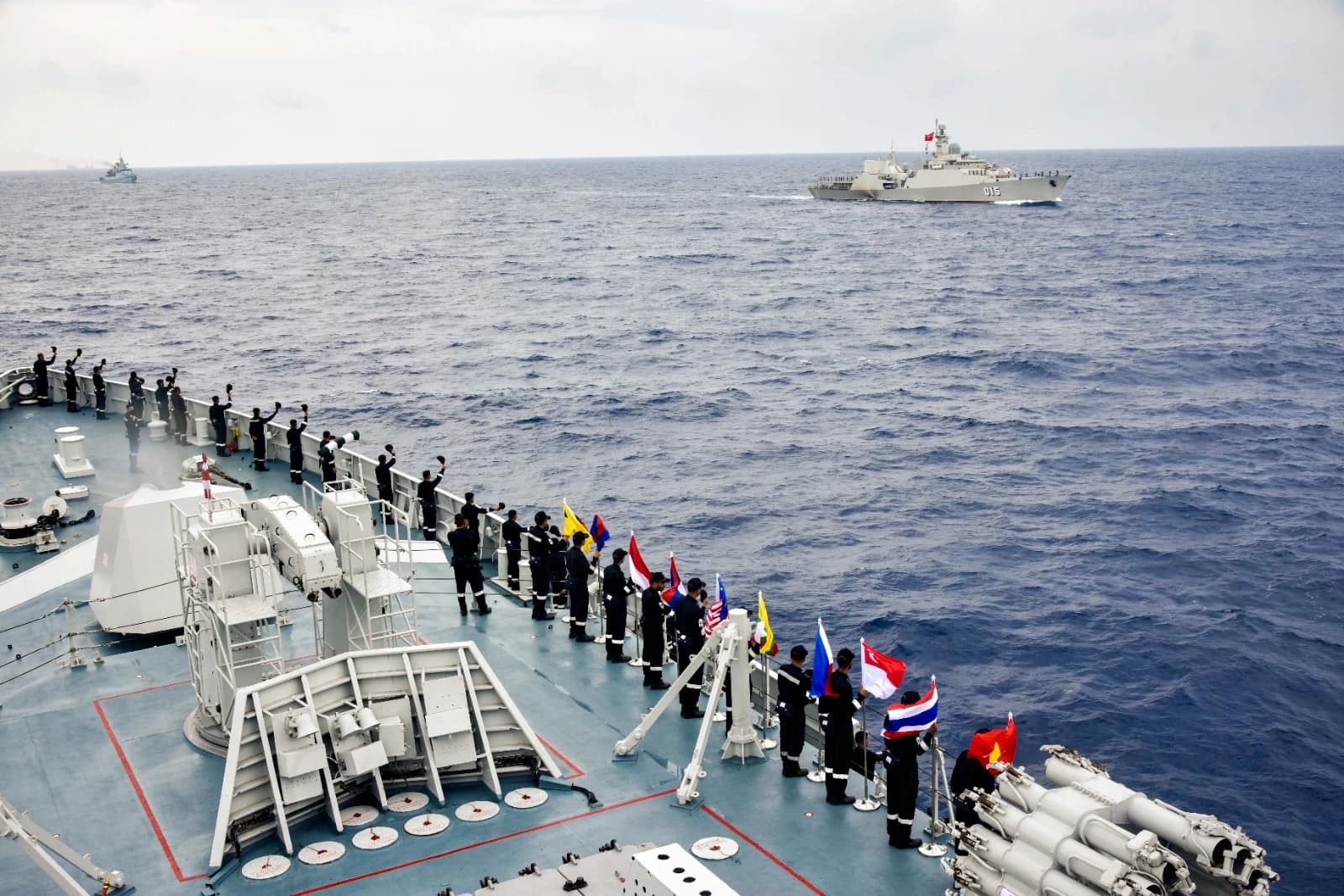
ASEAN is being forced to navigate a sharper strategic split between the United States and China while simultaneously managing a widening regional security problem in Myanmar, a mix that is testing the bloc’s unity and raising the stakes for trade, investment and diplomacy across Southeast Asia.
ASEAN Balances U.S.-China Tensions and Myanmar
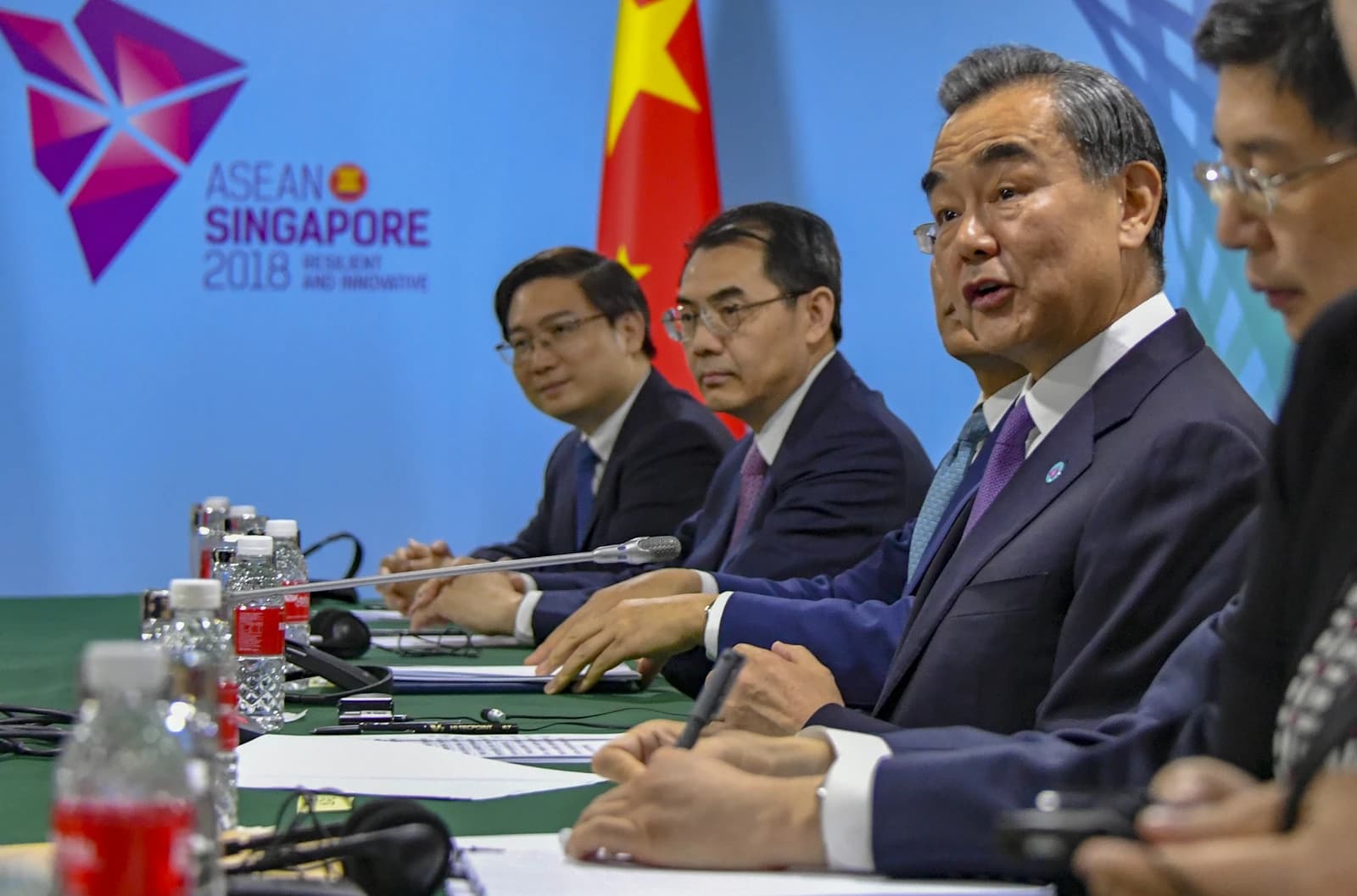
The most important development is not a single policy move but the hardening of ASEAN’s balancing act. Myanmar’s military-backed government has denounced the bloc’s latest decisions as “unfair and imbalanced” after ASEAN reaffirmed engagement with the country’s peace plan, condemned the violence and kept sanctions in place. That leaves ASEAN trying to preserve its central role in regional diplomacy without appearing to reward the junta, even as the wider U.S.-China contest makes neutrality harder to sustain.
Sentiment Indicators
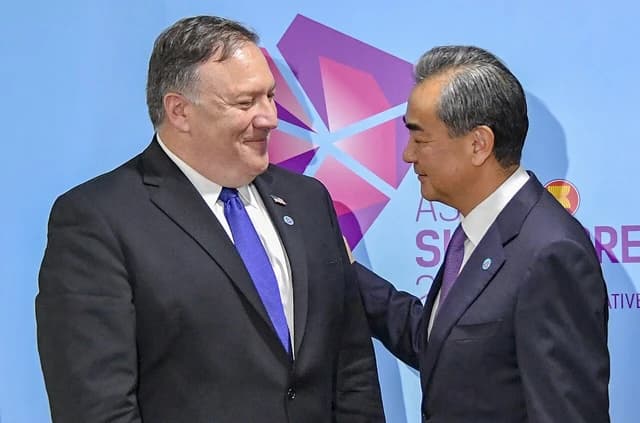
Economically, the implications go beyond politics. Southeast Asia has become a key production and logistics hub for firms seeking to diversify supply chains away from China, while still relying on Chinese capital, components and consumer demand. Any sign that ASEAN is tilting too far toward Washington or Beijing can influence foreign direct investment, trade flows, infrastructure financing and currency risk across the region.
Market signals point to investors paying close attention. The iShares MSCI China ETF, FXI, has fallen to 31.23 from 40.34 earlier in the year and remains below both its 50-day and 200-day moving averages, showing persistent pressure on China-linked assets. In contrast, Mexico’s EWW has held around 72.18, while Indonesia’s EIDO has slid to 10.11, underscoring how emerging-market exposures are being repriced differently as investors rotate around geopolitical and policy risk.
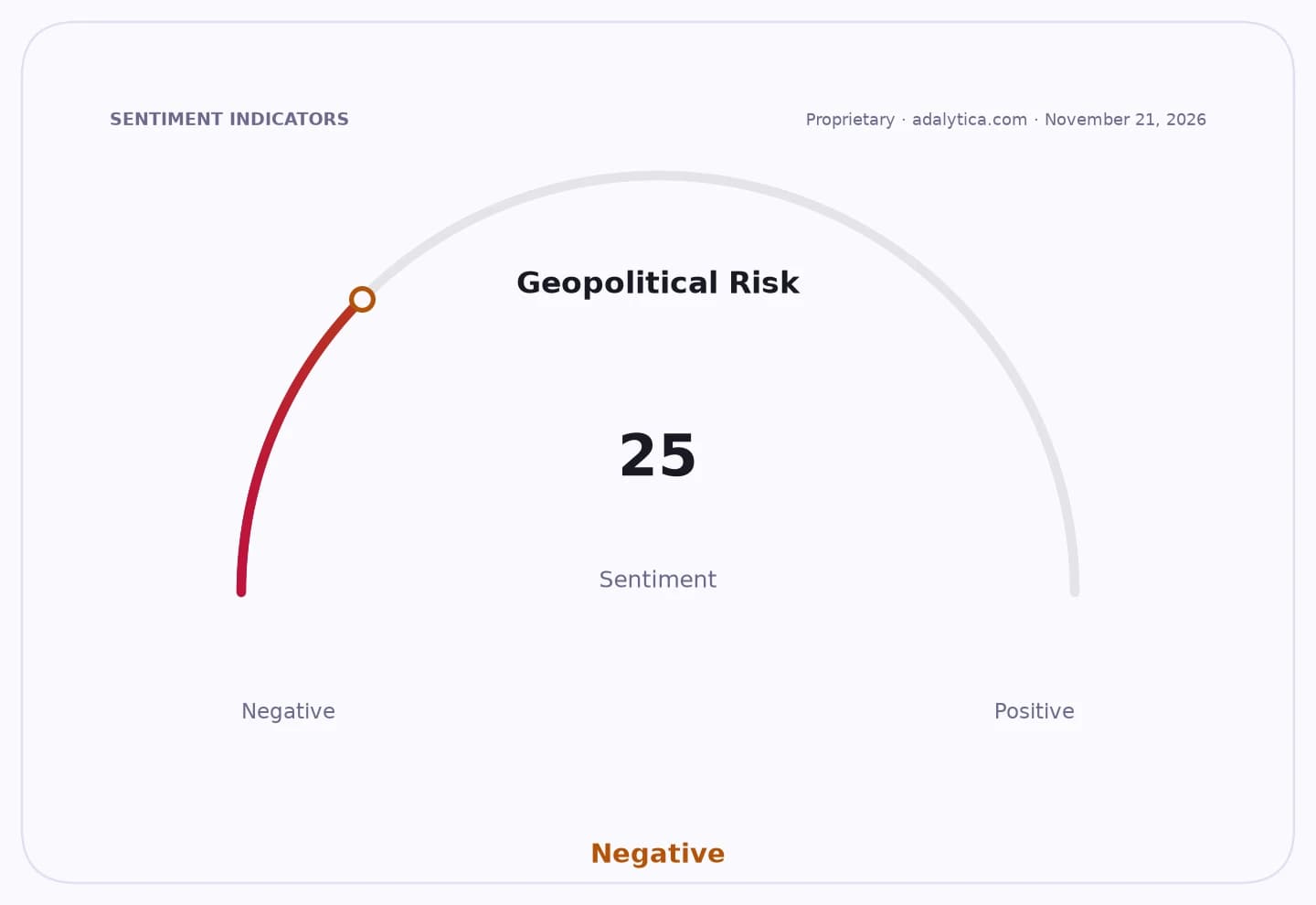
Geopolitical Risk
The broader backdrop is one of stress, not calm. Adalytica’s US–China Relations Sentiment gauge is at 100, or “Extreme Greed,” reflecting intense market attention, while its Global Stability Sentiment sits at 4, or “Extreme Fear,” suggesting investors are treating geopolitical friction as a live macro risk rather than background noise.
For ASEAN, the narrative is increasingly about whether it can remain a neutral convener or becomes a battleground for competing powers. That question matters for investors because it shapes the outlook for regional supply chains, defense spending, sanctions exposure and the flow of capital into Southeast Asian equities, bonds and infrastructure. The next test will be whether ASEAN can keep its Myanmar engagement process alive without further exposing its divisions as Washington and Beijing compete for influence.
| Entity | Gains | Losses |
|---|---|---|
| ASEAN diplomatically | ▲Regional relevance | ▼Perception of disunity |
| U.S. influence | ▲Partners seeking China diversification | ▼China’s regional leverage |
| China | ▲Access to ASEAN markets | ▼Strategic room to maneuver |
| Myanmar junta | ▲Engagement channel | ▼Sanctions pressure |