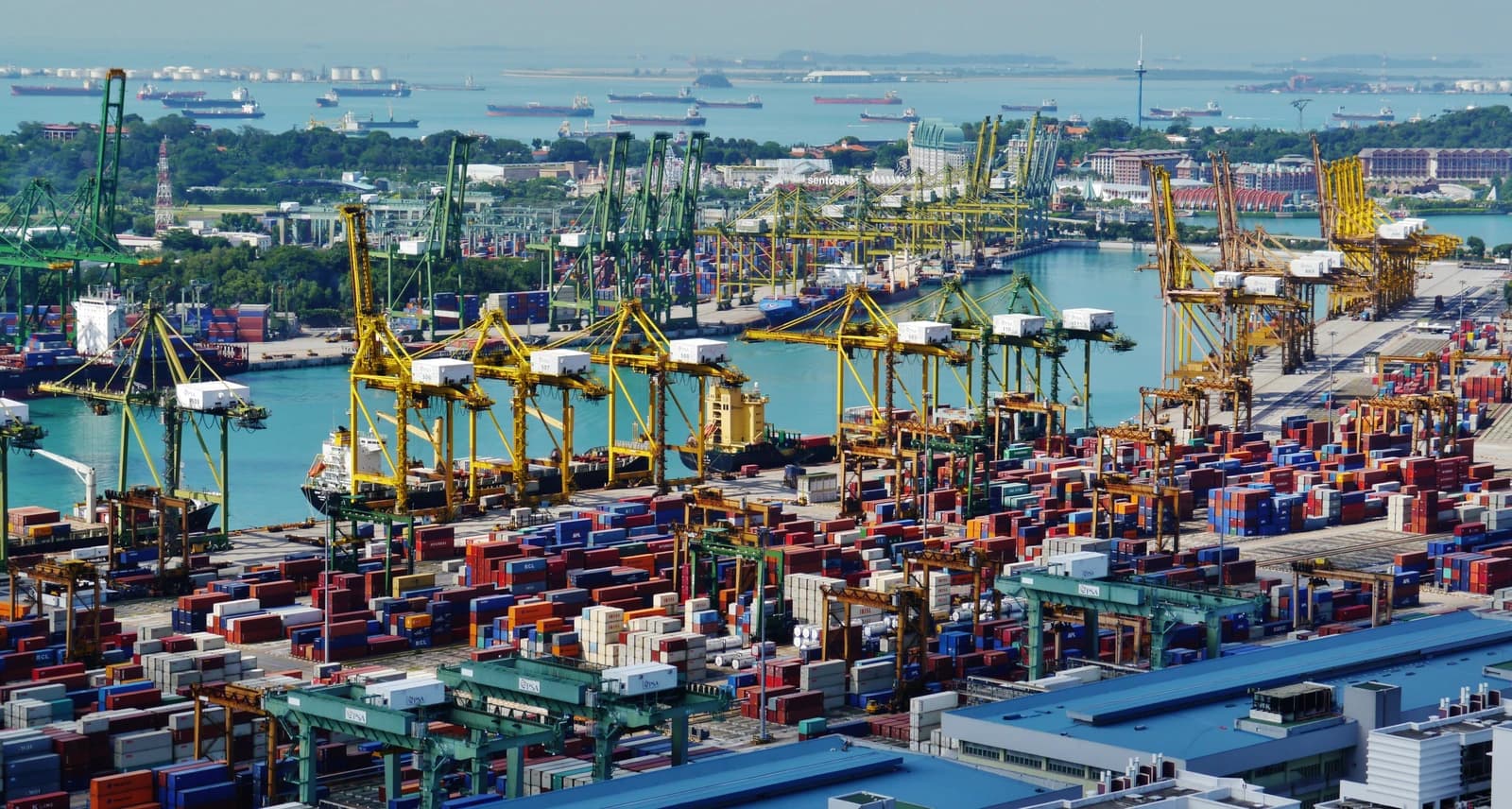
Singapore will keep benefiting from a fragmented global economy as long as the US and China avoid a direct collision, Prime Minister Lawrence Wong said, framing the city-state’s growth model around remaining a trusted neutral hub for capital, trade and technology.
Singapore Keeps Neutral Hub Strategy Amid US-China Tensions
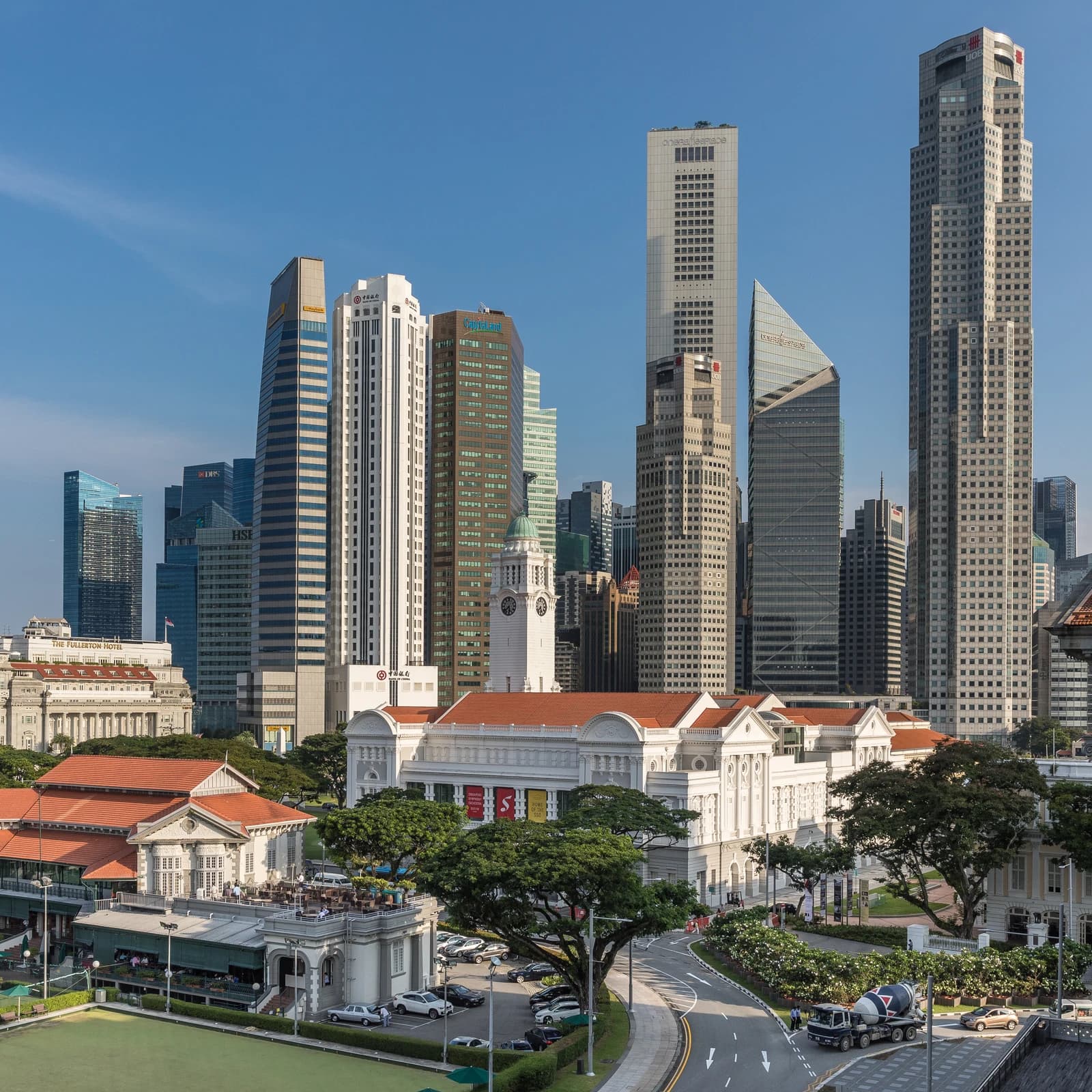
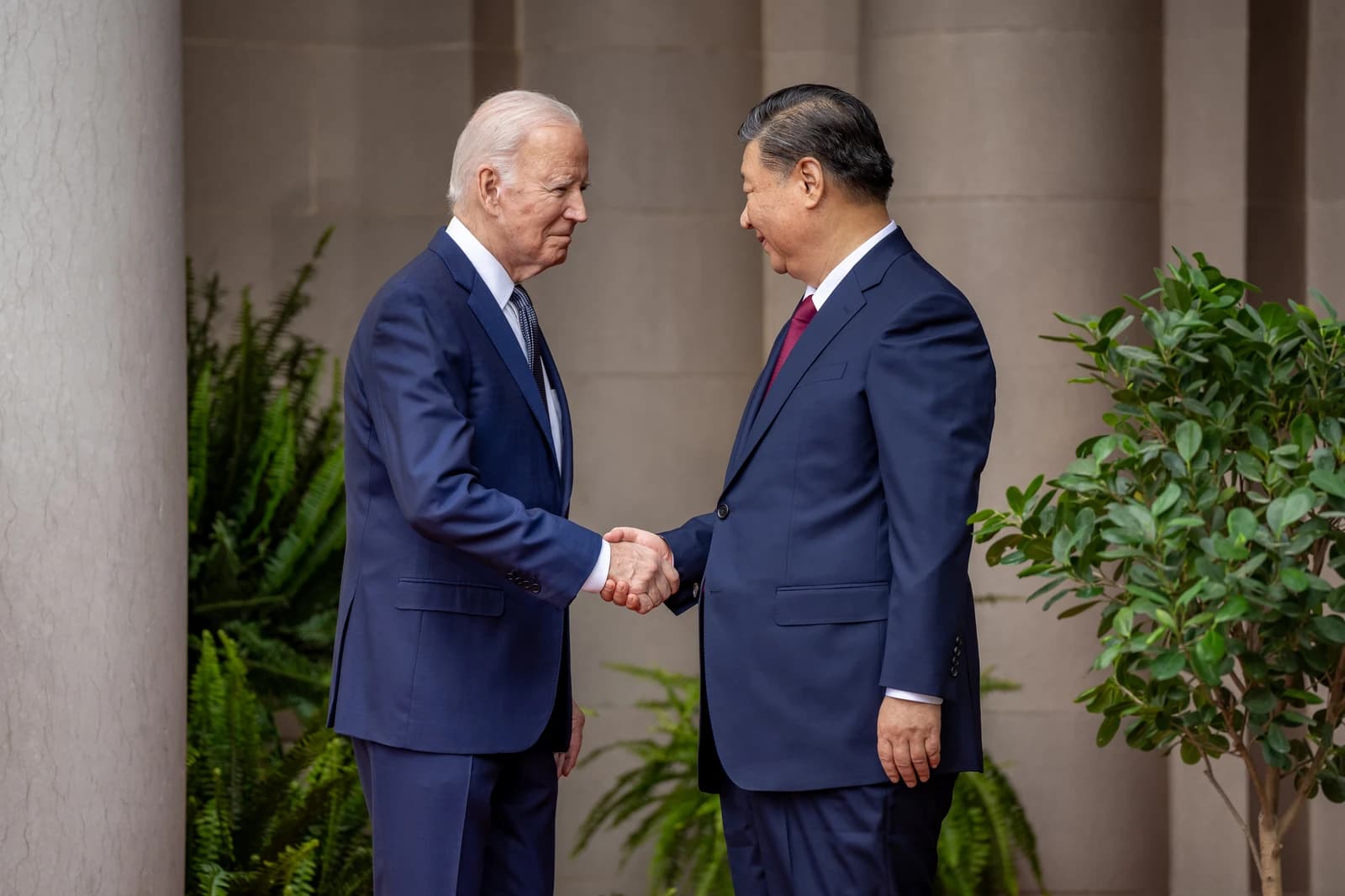
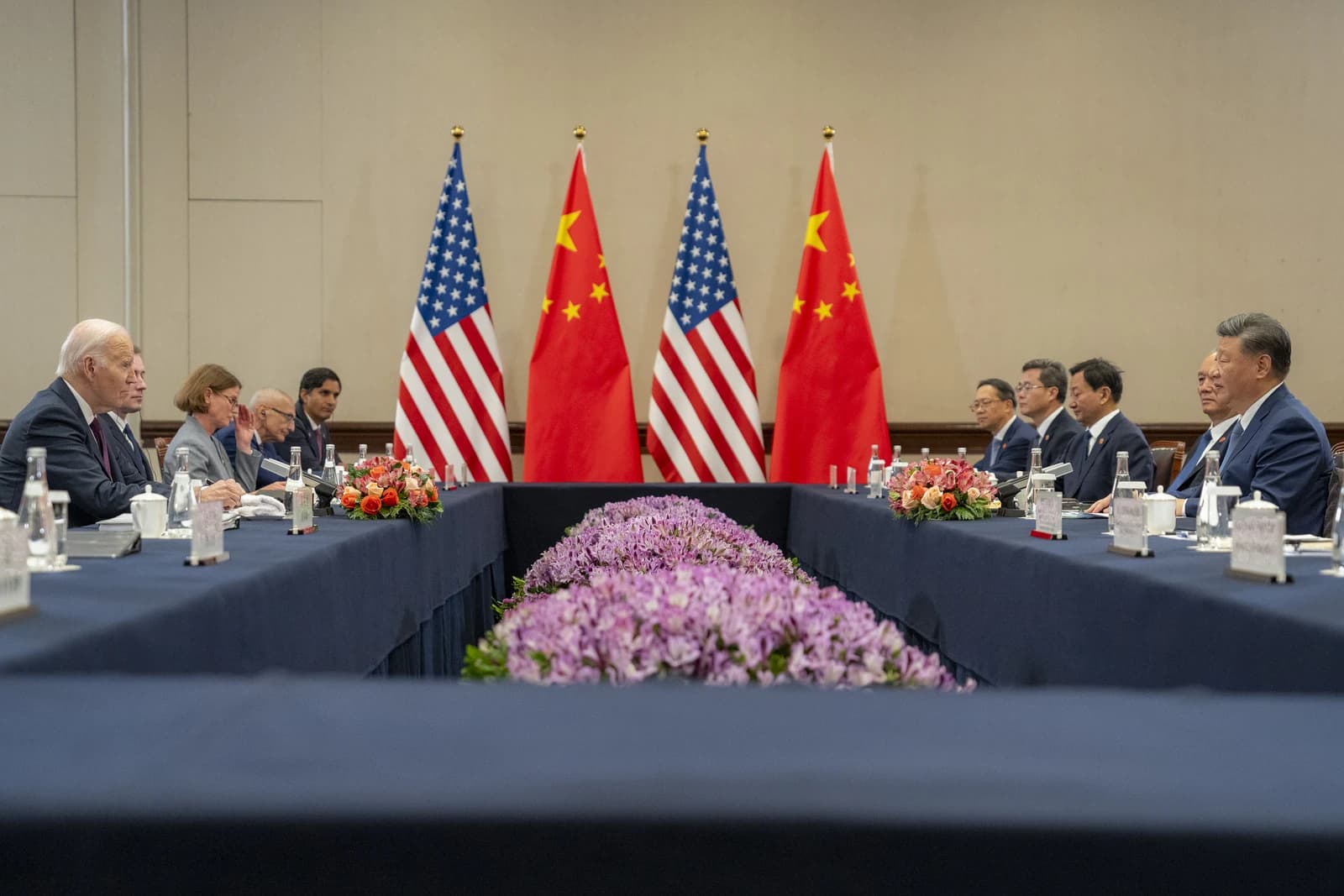
That message matters because Singapore’s business model depends on serving both sides of the world’s biggest geopolitical fault line. Wong said he does not expect Washington and Beijing to clash, and that leaves Singapore room to “make a good living” by staying open to both camps even as pressure builds to choose sides on semiconductors, AI and supply chains.
Sentiment Indicators
Geopolitical Risk
The stakes are economic as well as diplomatic. Singapore is trying to preserve access to advanced US chips for legitimate domestic use while limiting the risk that its logistics and re-export networks are used to sidestep American export controls. Wong said “abusing” Singapore’s status as a trusted hub is a real concern, especially around semiconductors, but argued that genuine Chinese investment still adds jobs and value inside the republic.
The remarks came as Singapore-based data centre operator Megaspeed is under US scrutiny over whether Nvidia chips were diverted to China, a case that underscores how export-control enforcement can spill into wider business ties. Wong said Singapore is discussing information-sharing with Washington so the US can enforce its own rules, while stressing that Singapore’s own priority is securing chips for legitimate local needs.
Geopolitical Risk
He also pointed to a practical hedge against bifurcation: deeper cooperation with China in artificial intelligence that is aimed at everyday and workplace use rather than frontier technology. Singapore and China have also agreed to upgrade their free trade agreement, which Wong said should ease cross-border data flows, government procurement and doing business on both sides.
For investors, the message is that Singapore is still trying to sell itself as an access point to both the US and China rather than a forced-choice economy. That supports the country’s role as a regional base for multinationals, chip supply chains, data centres and financial services, even as the geopolitical premium on neutrality rises.
The broader backdrop is a world in which US-China relations remain the central variable for Asian trade and investment. Wong said the world should not be divided into competing blocs, and cast Asean — with Singapore set to chair the grouping in 2027 — as an economic bridge to the EU, Canada, the Gulf and India rather than a passive bystander to great-power rivalry.
If Washington and Beijing keep their relationship from breaking down, Singapore’s pitch as a neutral, highly regulated and globally connected hub should stay intact. If tensions harden further, the same openness that underpins Singapore’s growth could face tougher tests from chip controls, technology restrictions and pressure on firms to pick a side.
| Entity | Gains | Losses |
|---|---|---|
| Singapore | ▲Hub status, investment inflows | ▼Higher compliance and enforcement risk |
| US and China | ▲Continued trade and tech channels | ▼Less leverage if rivalry softens |
| Multinationals in Singapore | ▲Access to both markets | ▼Pressure from export controls |
| Chip brokers / diversion networks | ▲— | ▼Scrutiny and enforcement actions |