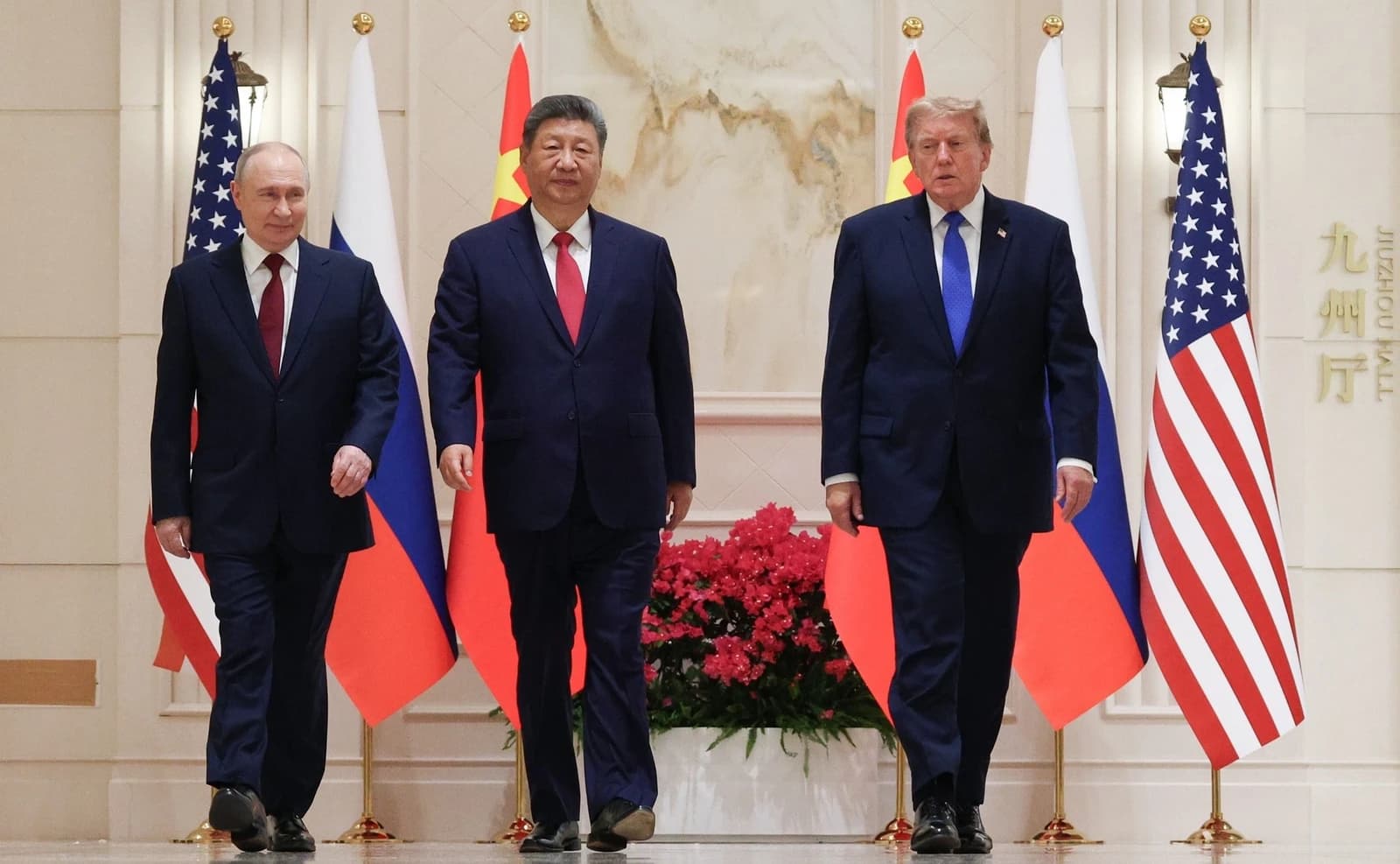
Trump’s praise for China’s leadership, paired with his attack on American cities as “embarrassing,” is widening investor focus on U.S.-China policy risk at a time when trade tensions, dollar weakness and safe-haven demand are already moving markets.
Trump China Remarks Pressure FXI and MCHI
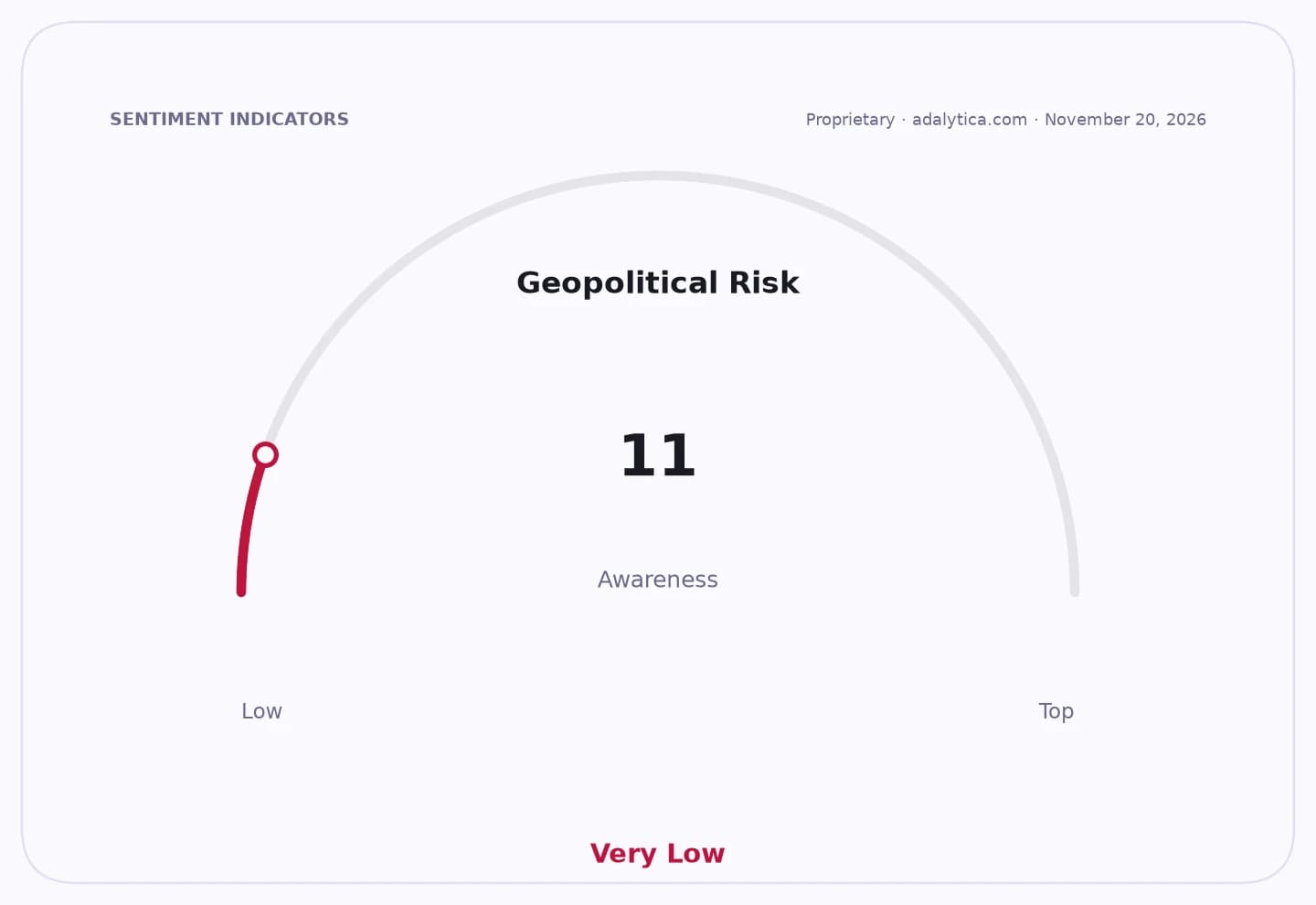
Geopolitical Risk
The remarks matter because they underscore how quickly the tone of the U.S. political debate can shift the outlook for tariffs, sanctions and bilateral business flows. Markets are already sensitive to any sign of a softer or more confrontational approach toward Beijing, especially with the dollar under pressure and global risk sentiment fragile.
Sentiment Indicators
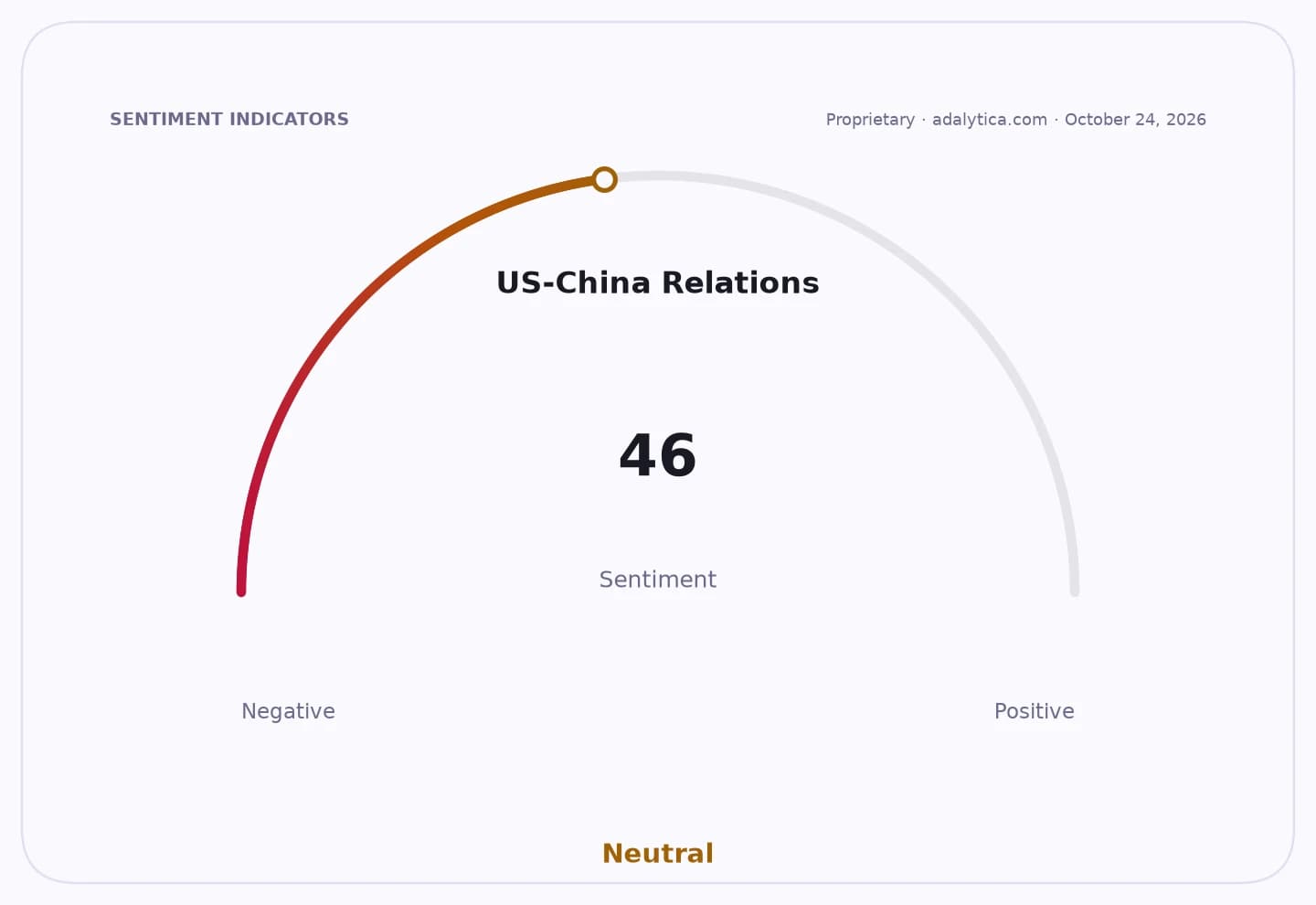
US-China Relations
China-linked assets were already showing the strain. The iShares MSCI China ETF, FXI, fell to $31.23 on Nov. 20 from $32.39 a day earlier, with its 14-day RSI slipping to 32 and the share price sitting below both its 50-day and 200-day moving averages. The iShares MSCI China ETF, MCHI, dropped to $46.02 from $47.02, also near its lower Bollinger Band, as investors pulled back from Chinese equities.
That slide comes alongside rising policy churn indicators from Adalytica’s U.S.-China Relations Sentiment gauge, which jumped to “Extreme Greed” with a 96-point seven-day change. At the same time, Adalytica’s US Dollar Trade Signals show “Extreme Fear,” a combination that can reflect investor unease over policy volatility and capital flows rather than confidence in a stable trade backdrop.
US-China Relations vs FXIadalytica.com
Explore this data interactively — full history, time series and cross-market comparisons.

Broader markets are also flashing caution. The Russell 2000, tracked by IWM, fell to $256.61 on Nov. 20, extending a three-session slide and leaving the small-cap ETF below its 50-day and 200-day moving averages. The move suggests investors are trimming exposure to domestically focused risk assets as long-end Treasury yields hover around 5.1% and macro uncertainty persists.
Trump’s comments also put a spotlight on the political narrative around China at a moment when Beijing is trying to stabilize its own policy messaging. Adalytica’s China CCP Policy Direction sentiment remains neutral, but the rapid swings in awareness point to an environment where headlines can quickly spill into equities, currencies and rates.
For investors, the key question is not whether the rhetoric lasts, but whether it translates into policy after the next U.S. political inflection point. Any hint of renewed tariff threats or a sharper line on China would likely keep pressure on Chinese ETFs, exporters and cyclical names, while reinforcing demand for defensives and hard assets.
| Entity | Gains | Losses |
|---|---|---|
| China equities (FXI, MCHI) | ▲Better rhetoric if policy softens | ▼Tariff and sanction risk |
| U.S. exporters | ▲Easier trade backdrop | ▼Higher policy volatility |
| U.S. small caps (IWM) | ▲Domestic shelter if risk appetite improves | ▼Rates and uncertainty pressure |
| Dollar bears / safe havens | ▲Weaker dollar trade | ▼Stronger dollar on policy shock |