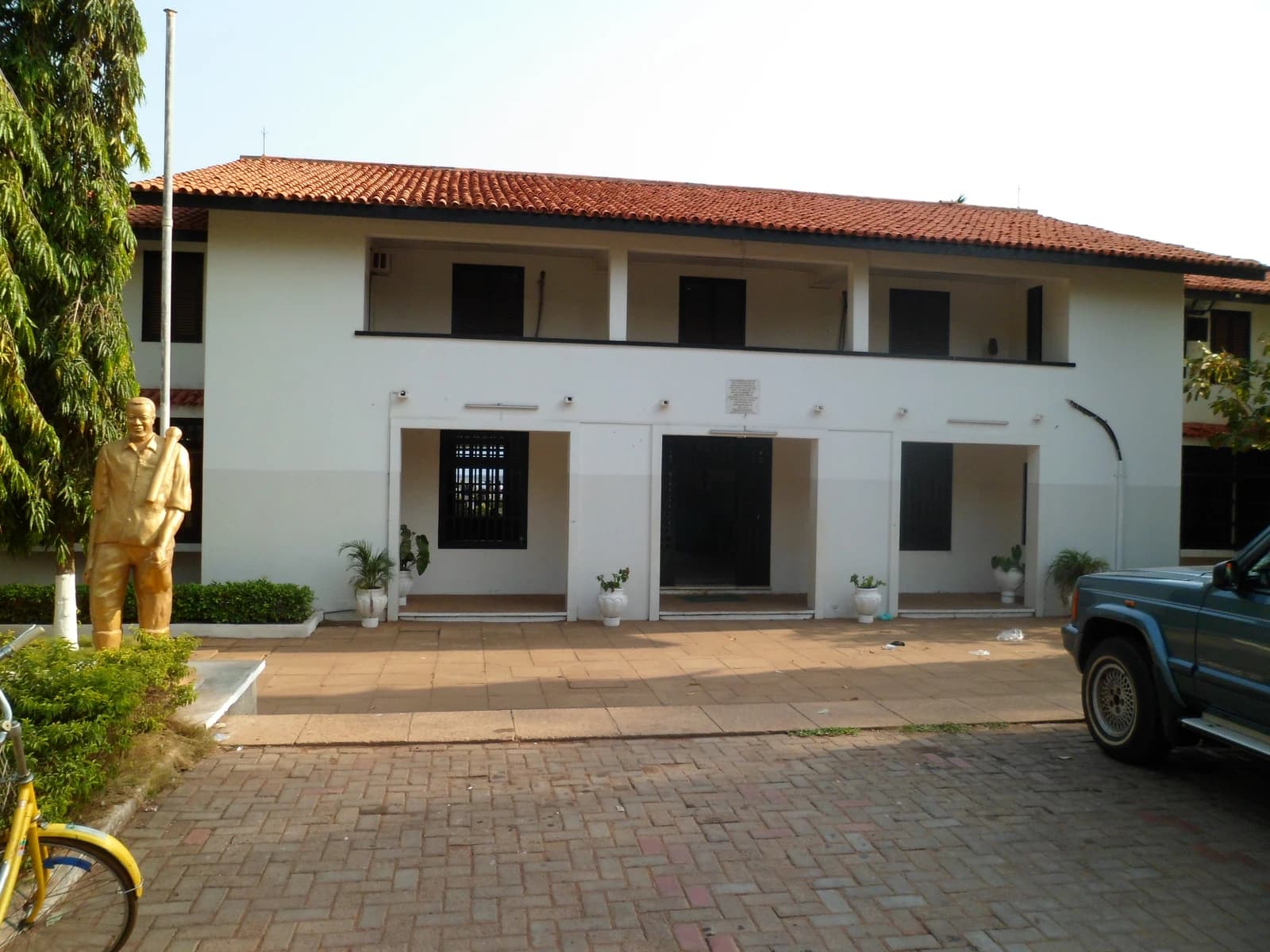
A push to clear the University of Ghana’s remaining GH¢70 million hostel debt has turned a long-running accommodation dispute into a direct test of the Mahama administration’s willingness to clean up campus housing finance and ease pressure on students.
University of Ghana hostel debt and Mahama decision
The issue matters because student housing has become a broader affordability problem, not just a university management dispute. If the debt is settled, the University of Ghana would gain full control of the hostel facilities and more room to lower charges, or potentially provide beds at no cost, easing one of the most visible costs of higher education in Ghana.
Dr Joshua Ebuntie Zaato, a senior lecturer in the university’s political science department, urged President John Dramani Mahama to honour an earlier government commitment to pay off the loans tied to the hostels, saying the arrangement dates back to the late President John Evans Atta Mills, when Mahama was vice president. He said the current balance had been cut to GH¢70 million and argued that resolving it now would remove the risk of repossession by banks and end the uncertainty around who effectively controls the facilities.
The call lands as a dispute between University of Ghana Enterprise Limited, which manages the hostels, and Rent Commissioner Frederick Opoku has renewed scrutiny of accommodation charges. That fight underscores the central economic problem: when student housing is financed through debt and operated with limited public control, prices tend to stay high even when the policy goal is affordability.
For investors and operators in education-linked real estate, the story is a reminder that campus housing depends as much on politics and balance-sheet support as on demand. A government-backed settlement would improve the university’s pricing flexibility and could set a precedent for other public institutions seeking to unwind expensive housing obligations. Failure to act, by contrast, keeps the risk of legal and financial friction in place and leaves students exposed to elevated rents in a market where demand far outstrips supply.
The broader backdrop is a regional shortage of student accommodation that has pushed governments to treat hostel capacity as infrastructure, not a side service. Mahama’s decision will therefore be watched not just as a university matter but as an early signal of how aggressively his administration intends to tackle cost-of-living pressures in higher education.
| Entity | Gains | Losses |
|---|---|---|
| University of Ghana | ▲Full hostel control | ▼Debt overhang |
| Students | ▲Lower accommodation costs | ▼High rents |
| Mahama government | ▲Political goodwill | ▼Fiscal outlay |
| Banks / lenders | ▲Loan repayment certainty | ▼Repossession leverage |