President Biden’s student debt plan is drawing pressure to do more for Black borrowers, a group that has been disproportionately burdened by college loans and is more exposed to the drag of repayment on household balance sheets.
Biden Student Debt Plan Faces Pressure on Black Borrowers
That matters economically because student debt has become a structural restraint on consumption, household formation and wealth accumulation, especially for borrowers who entered school with fewer family resources and left with weaker buffers. Any relief package that does not address that imbalance risks preserving one of the clearest racial disparities in the US credit system.
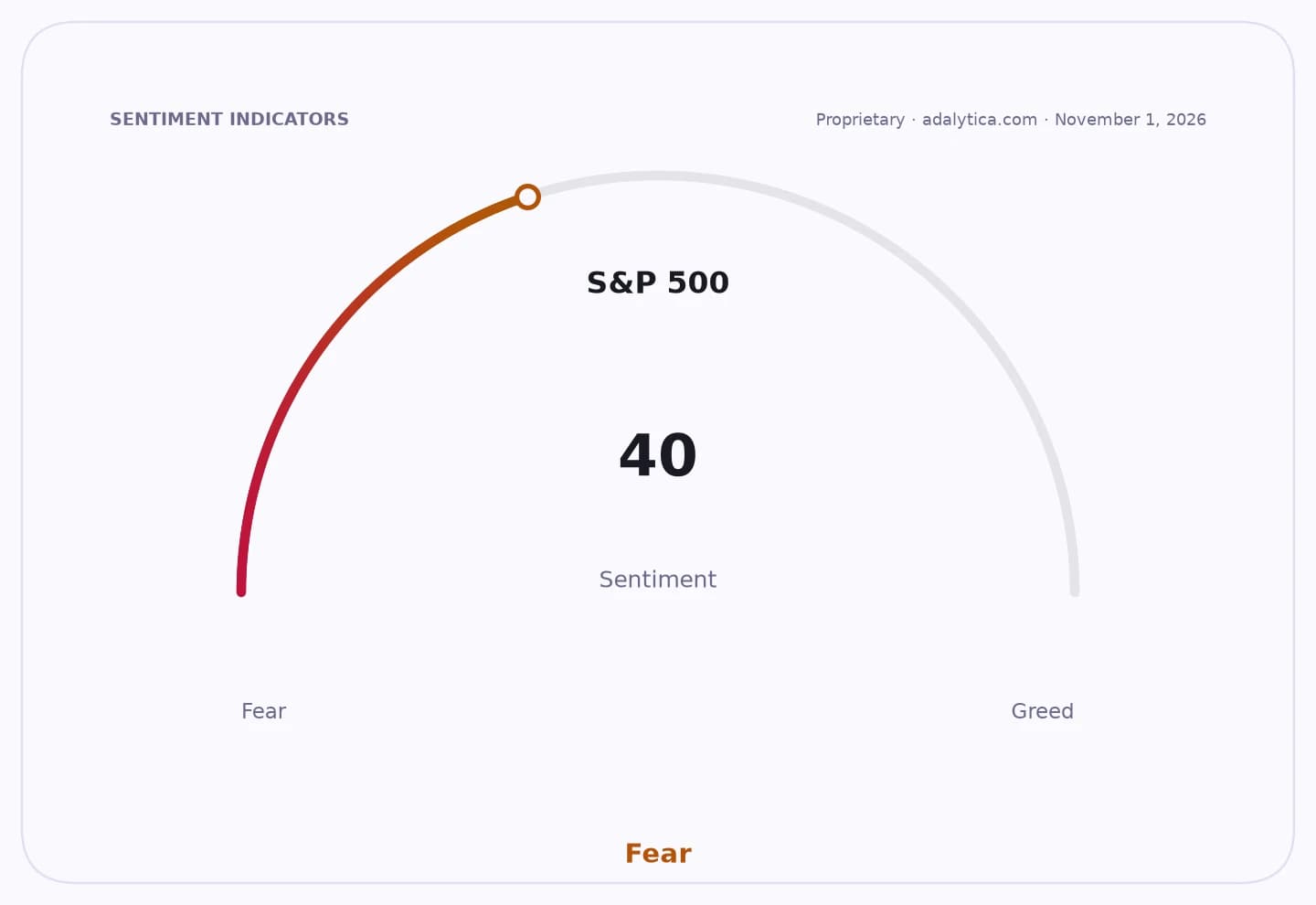
Sentiment Indicators
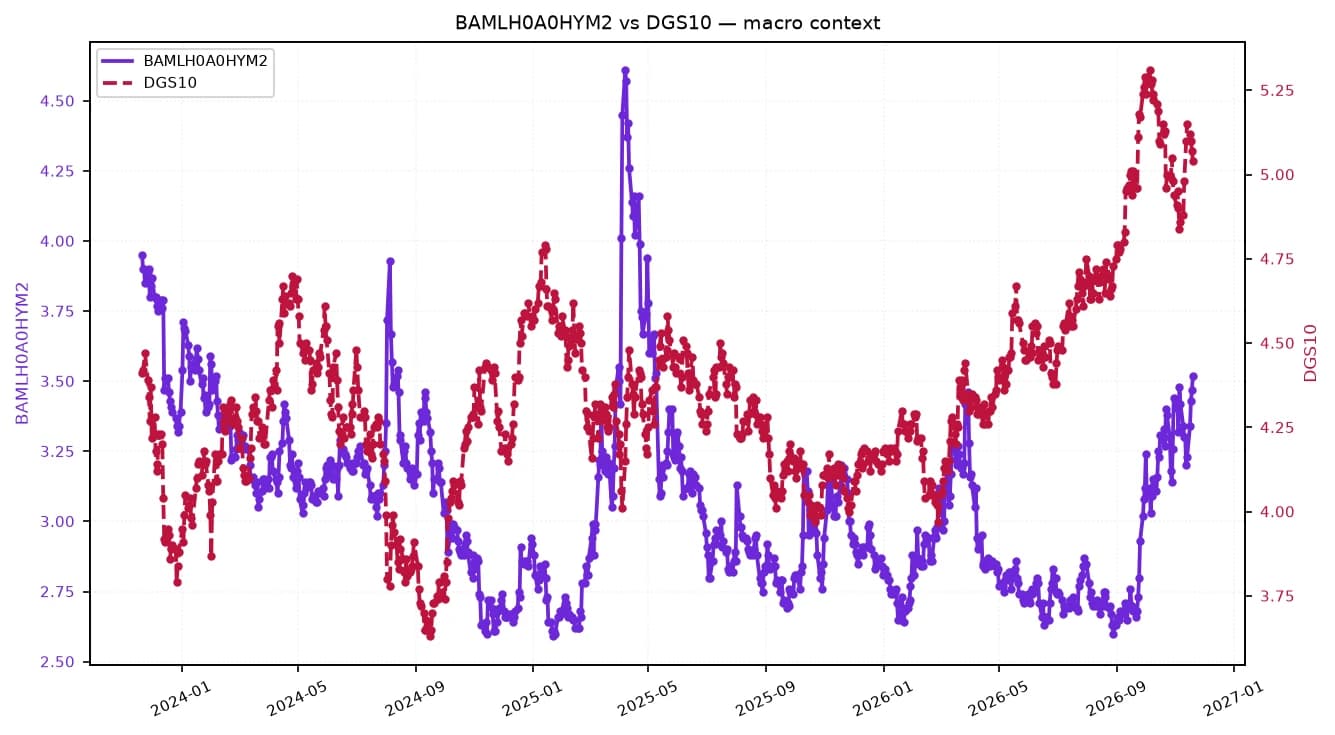
The policy debate lands at a delicate moment for the broader economy. Inflation has eased from its peak, with the consumer price index rising to 337.476 in October from 333.979 in May, while the unemployment rate has hovered around 4.1% to 4.2%, near levels consistent with a still-resilient labor market. The Federal Reserve has also kept rates restrictive, with the fed funds rate at 3.88% in October and a 3.89% November forecast, leaving borrowing costs meaningfully above the era when many student loans were originated. That backdrop makes debt relief more valuable to households — but also more politically charged, because it overlaps with a tight policy environment and questions over who should benefit most.
For Black borrowers, the issue is not only headline debt size but the compounding effect of lower wealth, higher delinquency risk and slower repayment progress after graduation. That makes targeted relief more likely to have a marginal effect on consumption and credit quality than a broad, untargeted program, because it would put cash back into the hands of borrowers most constrained by monthly payments. The political case is also straightforward: a plan that ignores racial disparities would invite criticism that it treats student debt as a uniform middle-class issue when the burden is unevenly distributed.
The market implications are more direct for lenders tied to education finance, including Sallie Mae parent SLM, whose shares have fallen sharply to about $15.87 from above $27 in September. The stock’s 50-day moving average has rolled over below its 200-day average, and the relative strength index has slipped into oversold territory, reflecting investor anxiety about credit losses, policy risk and the durability of loan growth. Capital One and other consumer lenders also have reason to watch the debate, not because student debt is their core business, but because any relief that improves borrower cash flow can affect spending, delinquency trends and refinancing demand across consumer credit.
Still, the plan’s impact would depend on design. A race-conscious or income-targeted approach could deliver more relief to households most likely to spend it, but it would also face legal and political scrutiny. A broader cancellation plan would be easier to administer, yet less efficient at addressing the distributional problem that has made the issue so politically charged in the first place. For investors, the key question is whether the administration’s eventual proposal is large enough and targeted enough to alter repayment behavior, or whether it simply shifts liabilities without materially changing the economics of household debt.
The broader narrative is that student debt relief has moved from a campaign promise to a test of whether the White House is prepared to confront racial inequality through the tax and credit systems. If Biden opts for a plan that meaningfully favors Black borrowers, it would signal a more explicit effort to use federal balance sheet policy to narrow wealth gaps. If not, the debate is likely to continue to weigh on the administration’s economic agenda, while leaving lenders and borrowers to adjust to a system in which the heaviest debt burdens still fall where wealth is thinnest.
| Entity | Gains | Losses |
|---|---|---|
| Black borrowers | ▲Lower monthly payments | ▼Less debt distress |
| Biden administration | ▲Stronger equity case | ▼Political/legal scrutiny |
| Student loan lenders | ▲Less immediate policy uncertainty | ▼Higher credit-risk exposure |
| Consumer economy | ▲More household cash flow | ▼Higher fiscal debate over fairness |