The University of Ghana’s hostel-fee dispute has turned into a political and social flashpoint after rent regulators challenged charges of GH¢8,050 a semester for cramped rooms and won broad backing online.
University of Ghana hostel fee dispute over GH¢8,050
The confrontation matters because it goes beyond one campus dispute: it puts pressure on how student accommodation is priced, regulated and justified in a country where housing costs are already a major burden for households. For investors and operators in the student housing chain, the episode is a reminder that fee-setting risk now extends to reputational risk, regulatory scrutiny and possible forced refunds.
The row began when University of Ghana Enterprises Limited proposed a 26% increase in hostel fees. After student protests and a petition to the Rent Control Department, the university cut the increase to 15%, but the department then asked the Attorney-General to investigate the charges and said any unassessed increases should be frozen and refunded.
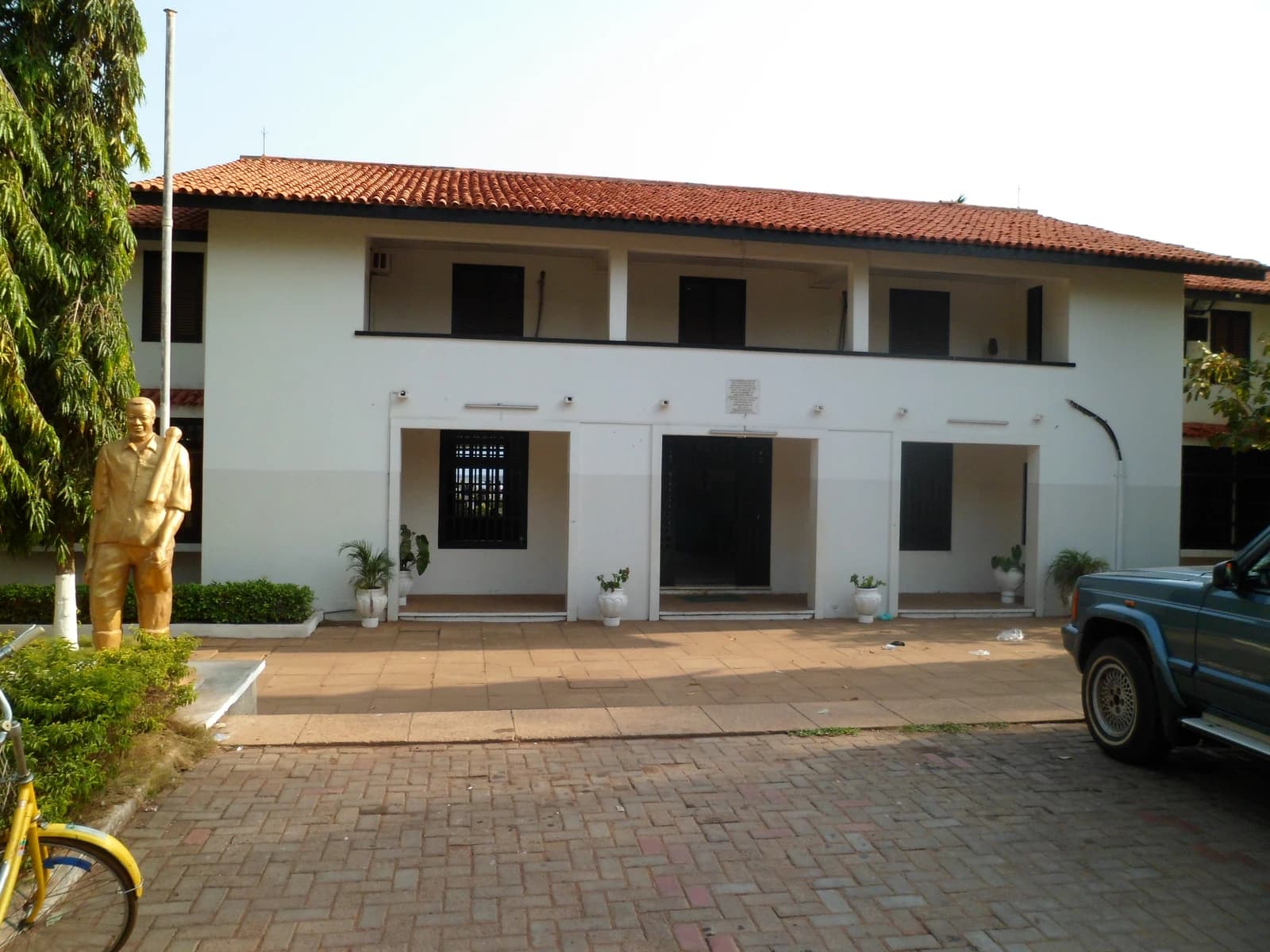
The issue escalated on Tuesday when Acting Rent Commissioner Frederick Opoku inspected UGEL-managed hostels, including Alexander Adum Kwapong Hall, and raised concerns over limited space, stained walls and broken fixtures despite students reportedly paying GH¢8,050 per semester. A confrontation with a hostel manager followed, after the manager questioned the legality of the inspection and invoked President John Mahama’s name.
Footage of the exchange spread quickly online and drew heavy support for Opoku, with many users calling the fees excessive and saying the state should intervene more aggressively in student housing. Some also widened the criticism to rent levels across Ghana, arguing that the same affordability pressure hits ordinary tenants in urban areas.
For UGEL and other accommodation providers, the immediate risk is regulatory. If rent authorities conclude the fees were unjustified, the university could face tighter oversight, reputational damage and pressure to adjust prices or refund students. For students, the dispute keeps the focus on affordability at a time when housing costs are rising faster than many can absorb.
The next flashpoint will be whether the Attorney-General acts on the petition and whether the rent department pushes the case beyond campus into broader rent enforcement. Any formal sanction could set a precedent for how aggressively regulators police student housing fees across Ghana.
| Entity | Gains | Losses |
|---|---|---|
| Students | ▲Lower fees, potential refunds | ▼Higher rent uncertainty |
| Rent Control Department | ▲Public backing, enforcement leverage | ▼Pushback from hostel operators |
| UGEL / hostel operators | ▲None明显 | ▼Regulatory scrutiny, reputational damage |
| University of Ghana | ▲Opportunity to reset pricing | ▼Pressure to justify accommodation charges |