Punjab’s Aam Aadmi Party government is moving to add about 10 lakh new ration-card beneficiaries in a digitally screened expansion of its food-safety net, a politically important step that could lift household purchasing power while tightening scrutiny on welfare delivery before the 2027 state election.
Punjab AAP adds ration-card beneficiaries
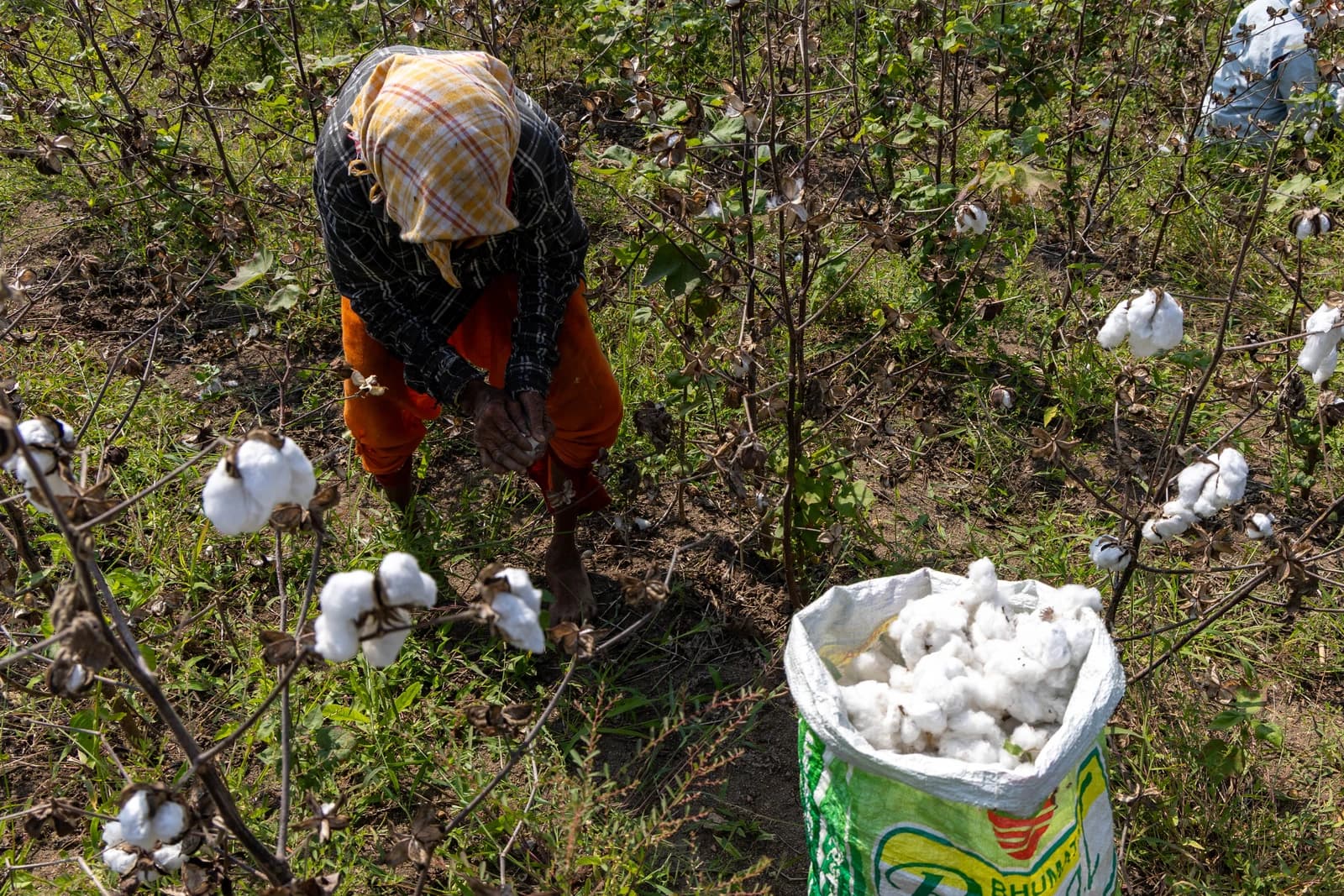
The plan matters economically because it broadens access to subsidized staples for some of the state’s poorest families at a time when food inflation and weak incomes remain a burden on household budgets. Under the new arrangement, eligible families will receive 5 kilograms of free wheat per member each month under the National Food Security Act, plus a free ration kit under the state’s “Meri Rasoi” program.
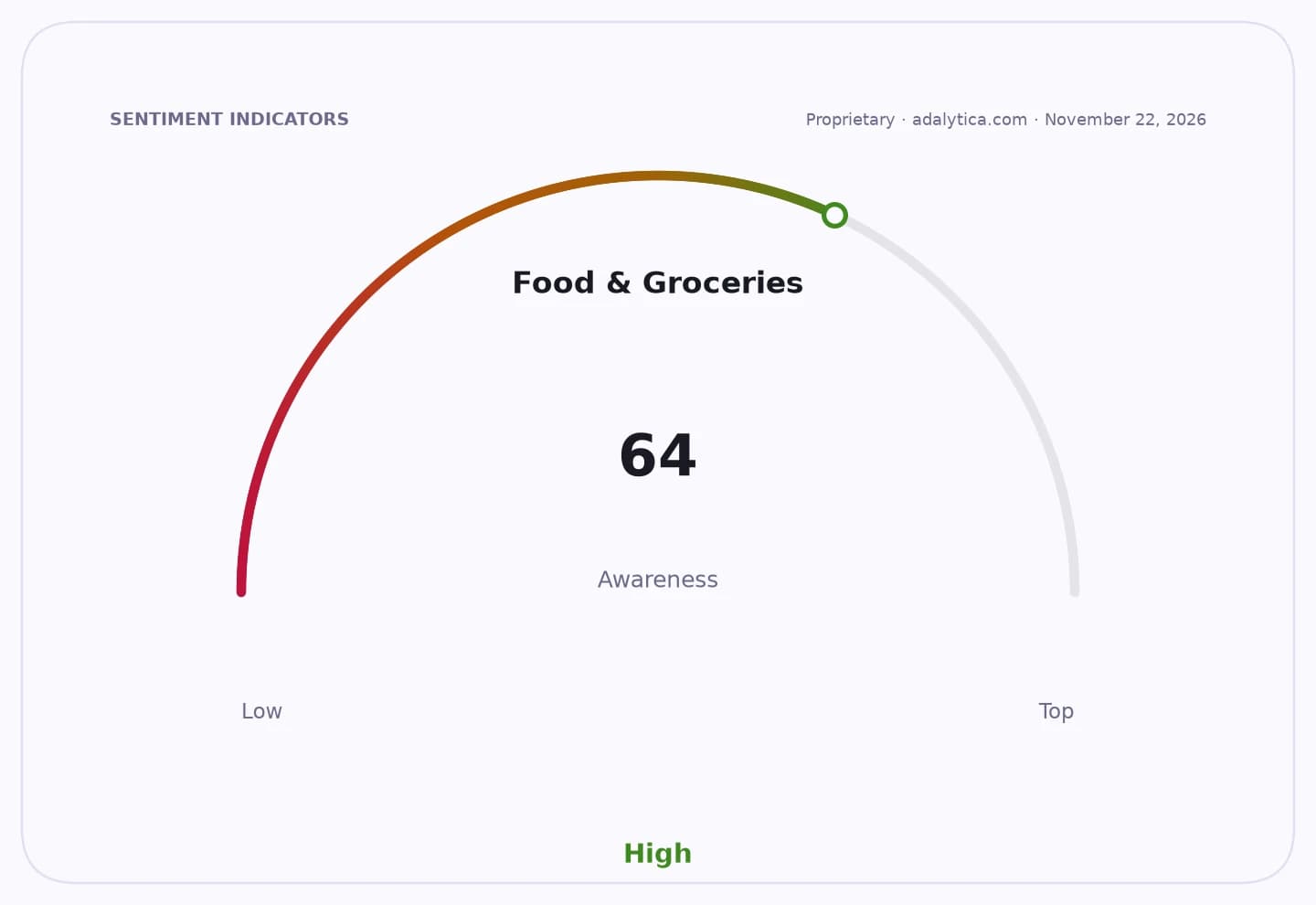
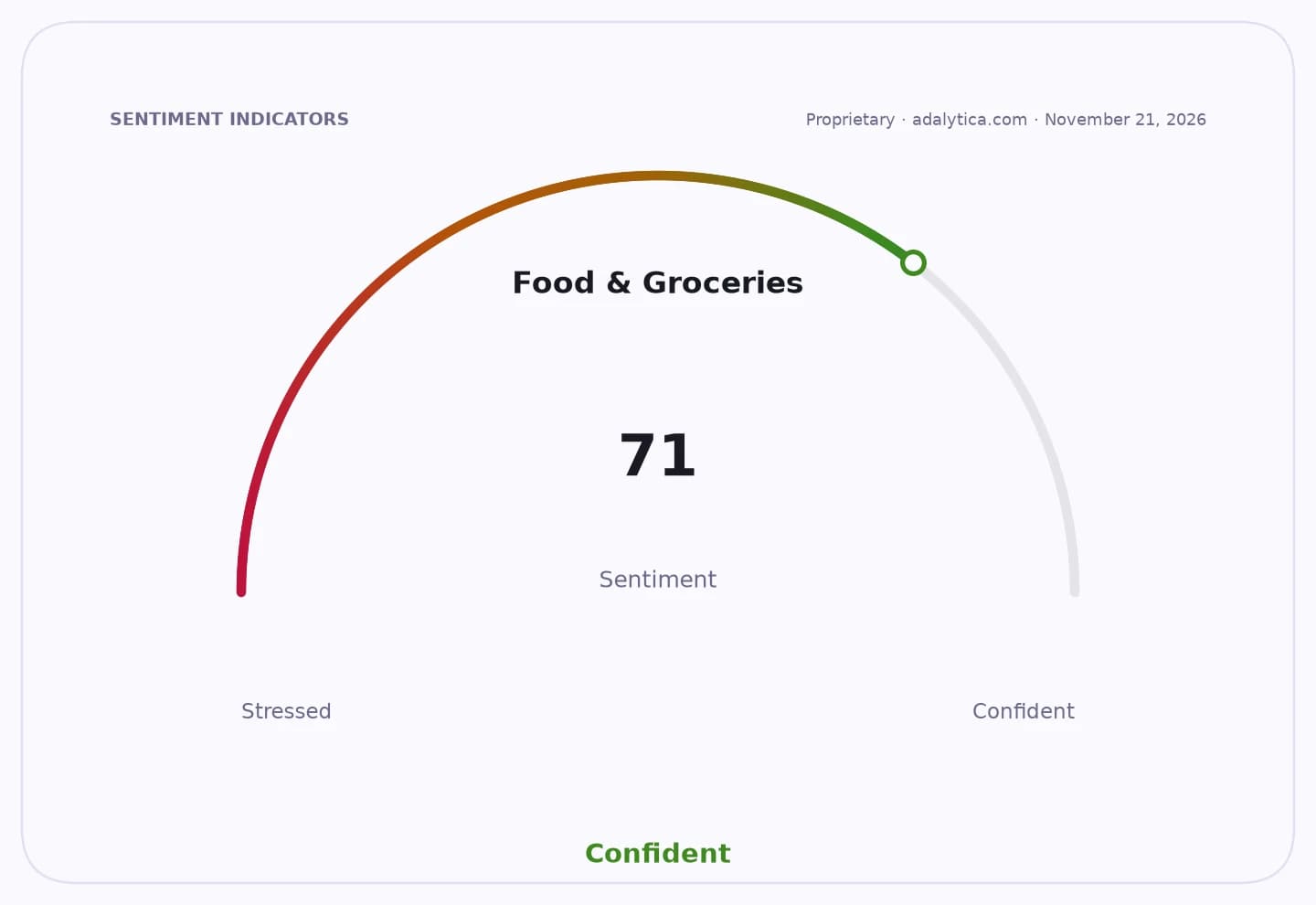
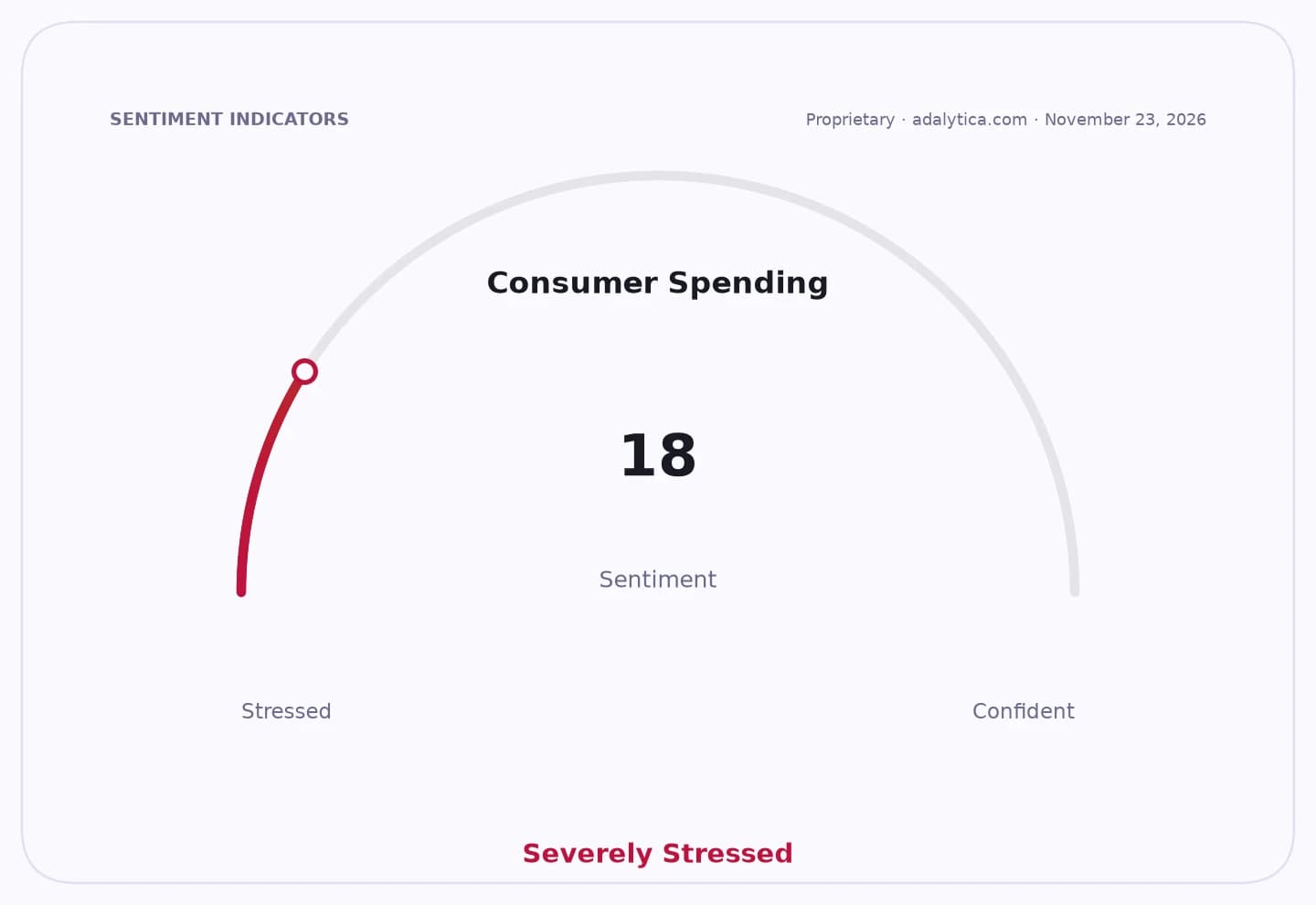
Sentiment Indicators
Officials said the government received 19,25,942 online applications in July and August 2026 and deployed around 20,000 officers and employees to verify them through door-to-door checks, geotagged photos, timestamps, electricity consumption data and other government records. The result included 1.79 lakh families, or about 5.01 lakh members, selected in a special drive, another 1.44 lakh families with roughly 3.9 lakh registered informal workers brought in through the e-Shram portal, and more than 1 lakh additional people added after rechecking minor technical or document errors.
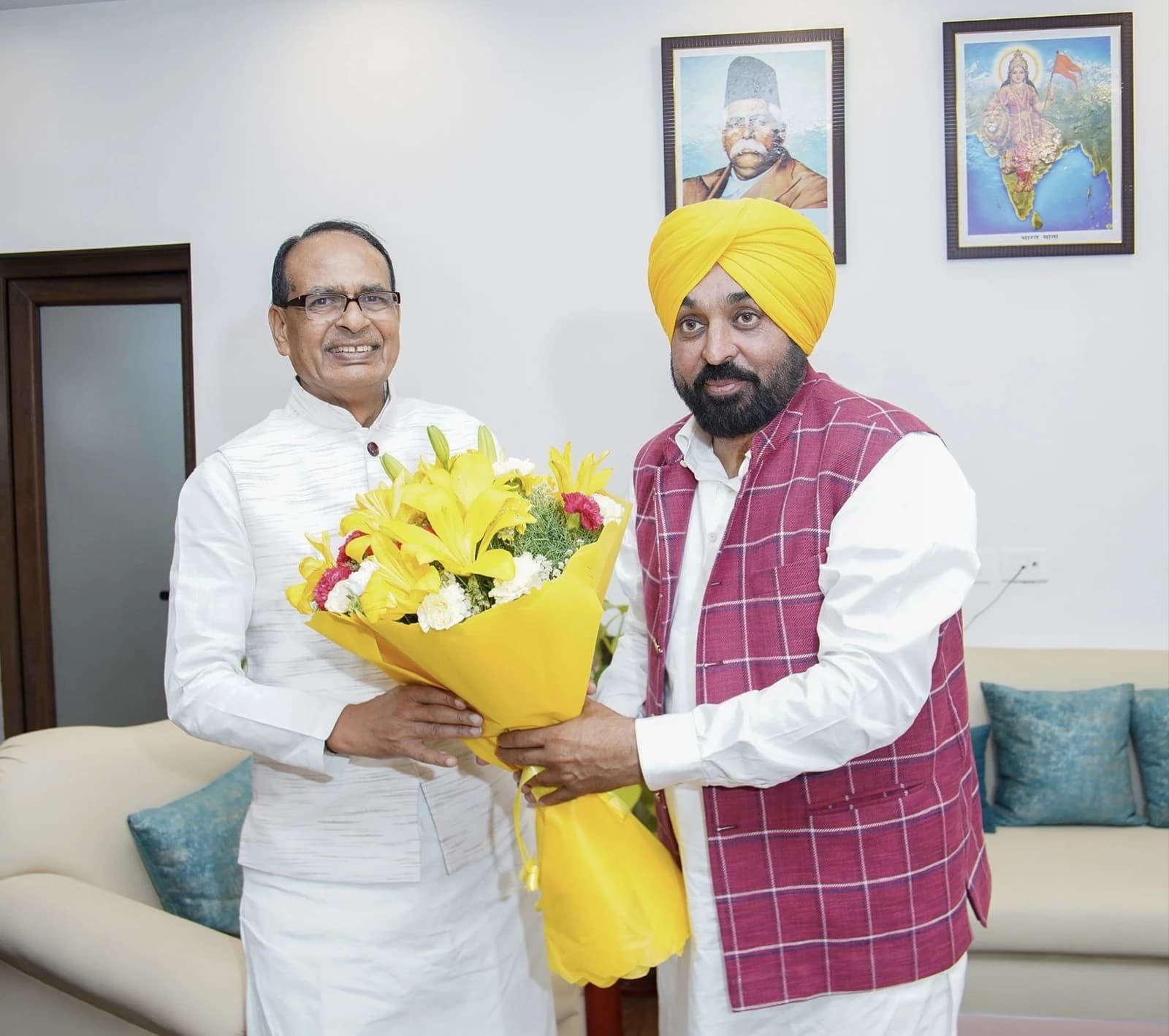
Chief Minister Bhagwant Singh Mann has cast the campaign, called “No Cash, No Request,” as a break from the older system in which applicants often needed political recommendations or had to pay middlemen. That framing is central to the policy’s appeal: if the process is seen as cleaner and more predictable, it can improve public trust in welfare delivery and reduce leakage in a state where food support remains a major political and fiscal tool.
For investors, the immediate market impact is indirect but relevant. Better-targeted subsidies can support consumption among low-income households, while a smoother digital rollout could become a template for other welfare programs in Punjab and beyond. The risk is execution — if ration cards are delayed or the monthly distribution of wheat and kit items proves uneven, the political payoff may fade even as the fiscal cost remains.
The move also signals how the Mann government is trying to bank welfare gains ahead of the next election, leaning on food security alongside education, health and power subsidies. The key test now is whether the state can issue cards quickly, keep the database clean and deliver the grain and “Meri Rasoi” kits on schedule.
| Entity | Gains | Losses |
|---|---|---|
| Low-income Punjab households | ▲Free wheat and ration kits | ▼Out-of-pocket food spending |
| Mann government / AAP | ▲Electoral goodwill, welfare credentials | ▼Fiscal pressure, execution risk |
| Middlemen / politically connected applicants | ▲None | ▼Patronage-based access |
| State food budget | ▲Better targeting if rollout works | ▼Higher subsidy burden |