Karachi’s latest wheat shipment has done little to ease pressure on household budgets, with flour millers raising prices even as more than 200,000 tonnes of imported wheat have already reached Pakistan.
Pakistan wheat imports fail to cut Karachi flour prices
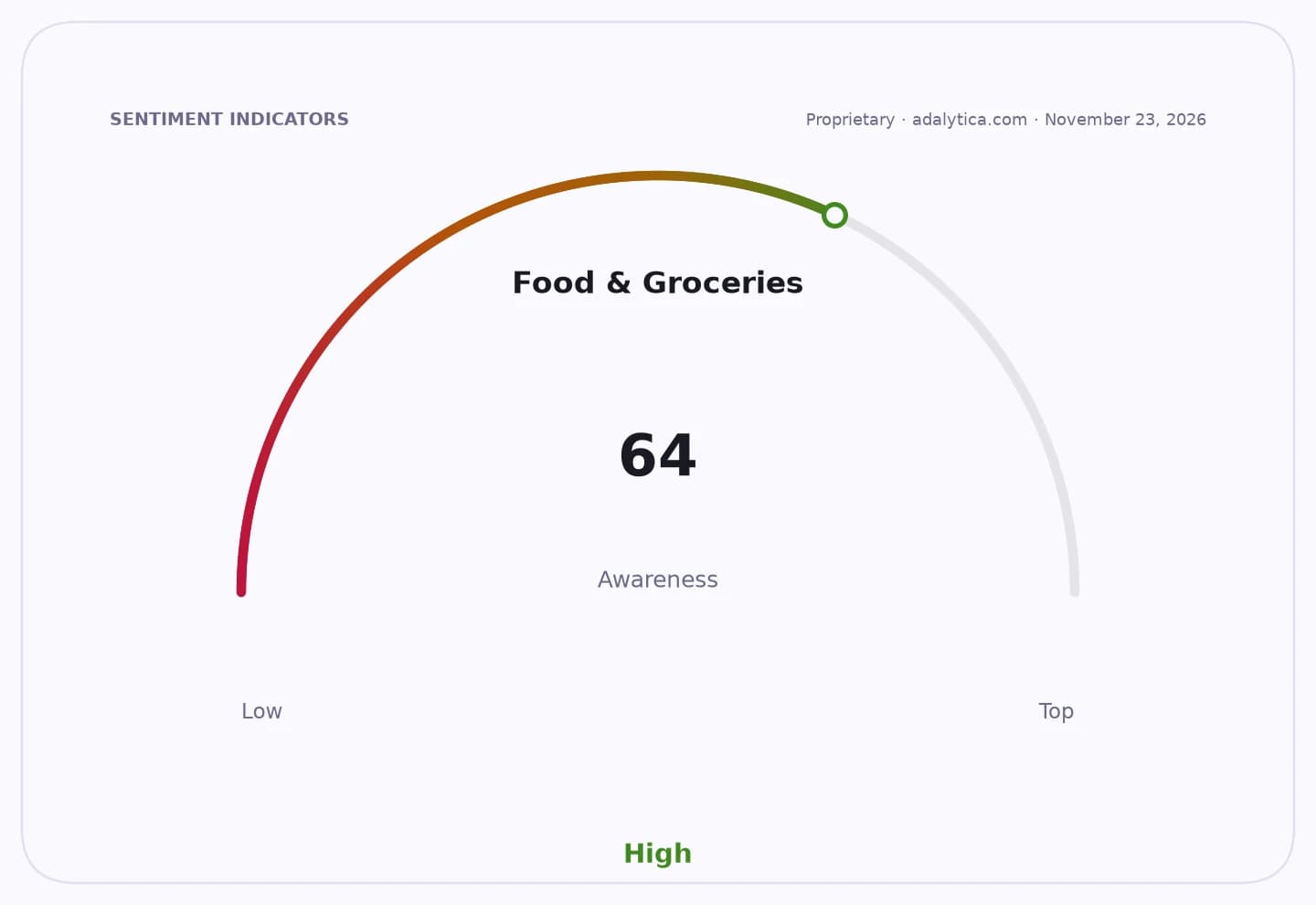
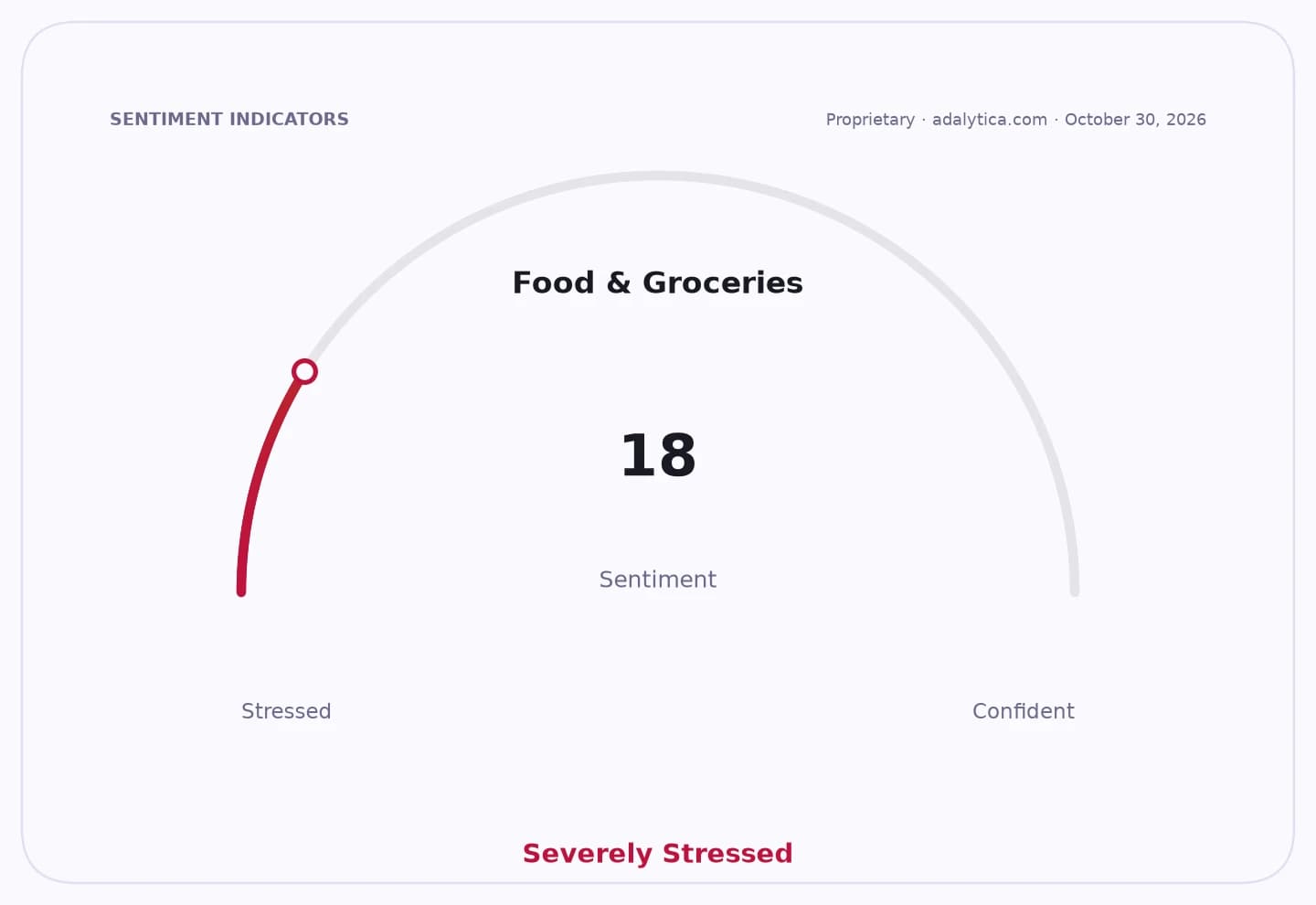
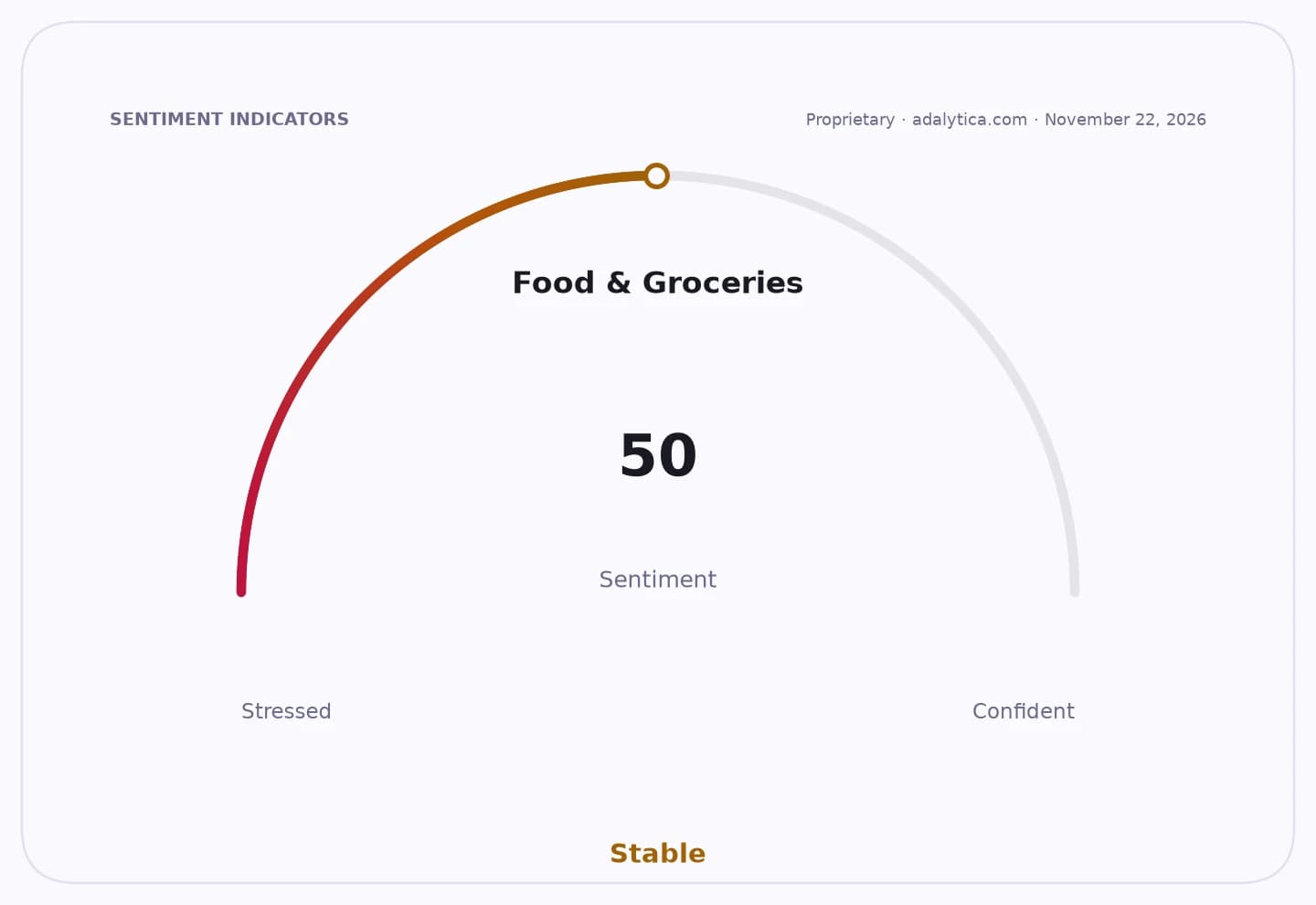
Food & Groceries
The disconnect matters because wheat is one of the country’s most politically sensitive staples, and any failure to translate imports into cheaper flour points to deeper bottlenecks in storage, distribution and market control. For consumers in Karachi, the problem is immediate: despite a steady stream of arrivals under the Trading Corporation of Pakistan, the city is still facing higher flour costs rather than relief.
Sentiment Indicators
An additional 50,000-tonne cargo from Romania, carried by the MV Zhong Chang, docked at Karachi Port’s KPT terminal on berths 13 and 14. Officials said the wheat was imported for Punjab, adding to four vessels that have now brought in more than 200,000 tonnes in total, including consignments for Khyber Pakhtunkhwa, Punjab and Sindh.
Yet flour mill owners increased the price of fine flour by Rs20 per kilogram and “No. 2.5” flour by Rs15 a kilogram. After the increase, wheat in Karachi was selling at Rs150 a kilogram, fine flour at Rs210 and the lower-grade flour at Rs180, underscoring how import volumes alone are not fixing retail inflation.
For investors, the more important takeaway is that food inflation pressure is proving sticky even when supply is being actively managed. That is a warning sign for consumer spending, margin expectations in food-linked businesses and the broader inflation path. When imported grain fails to filter through to end users, it suggests pricing power is still sitting with intermediaries, not consumers.
The market implication is clear: Pakistan’s wheat policy is still about crisis management, not normalization. Until the government can improve inland logistics, mill discipline and pass-through from port to market, each fresh shipment may merely cap the worst-case scenario rather than deliver actual relief. For households, that means more expensive bread and flour. For investors, it means the staple-food inflation trade is not over.
| Entity | Gains | Losses |
|---|---|---|
| Wheat importers / TCP | ▲controls supply pipeline | ▼faces weak relief credibility |
| Flour millers | ▲pricing power | ▼consumer trust |
| Karachi households | ▲none | ▼higher daily food bills |
| Food-linked retailers | ▲pass-through margins | ▼demand pressure |