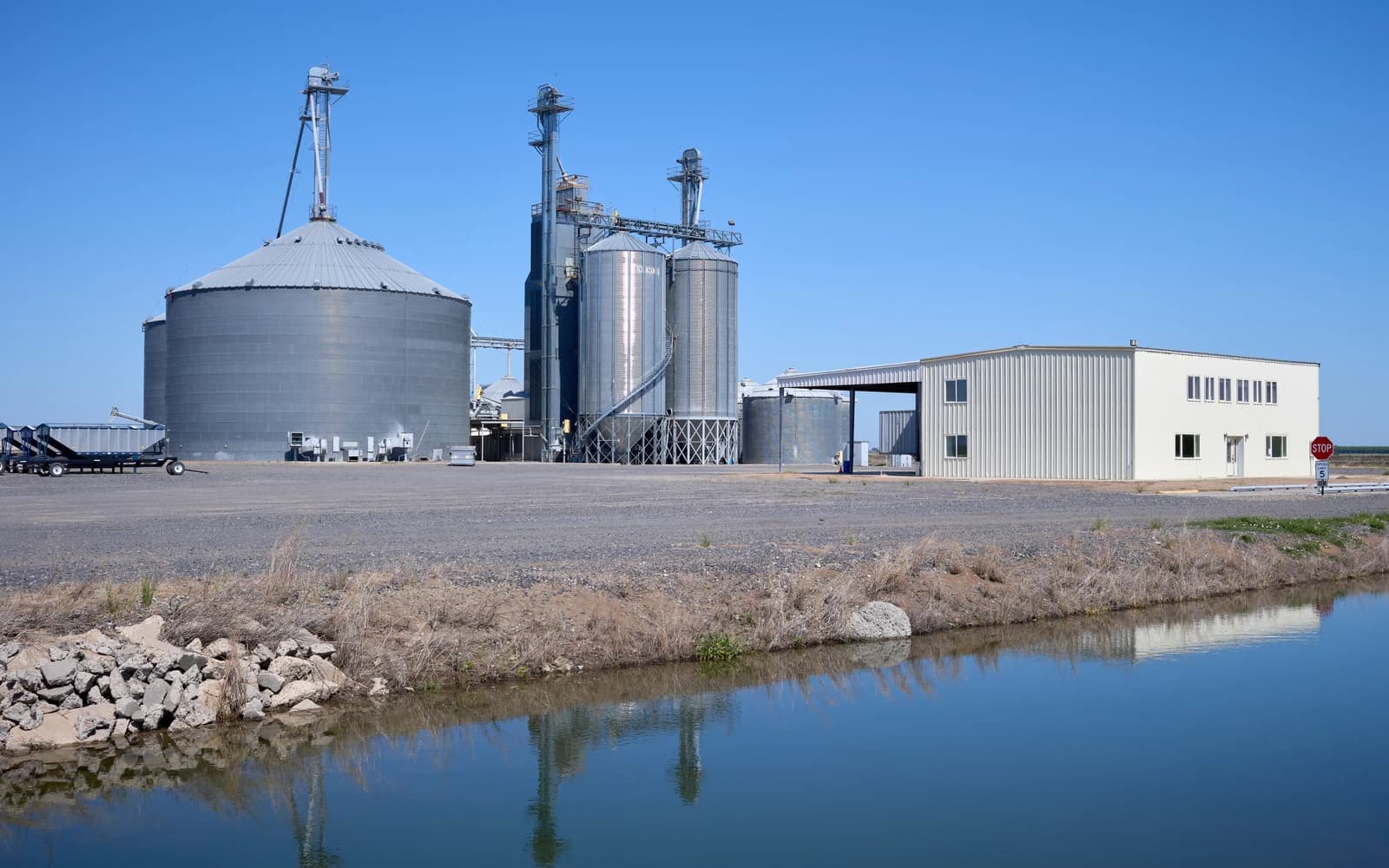
A government-backed wheat silo in Tanta with room for 60,000 tons is a reminder that the most important part of Egypt’s bread economy is not just growing wheat, but protecting it after harvest.
Egypt wheat silo highlights storage and supply security
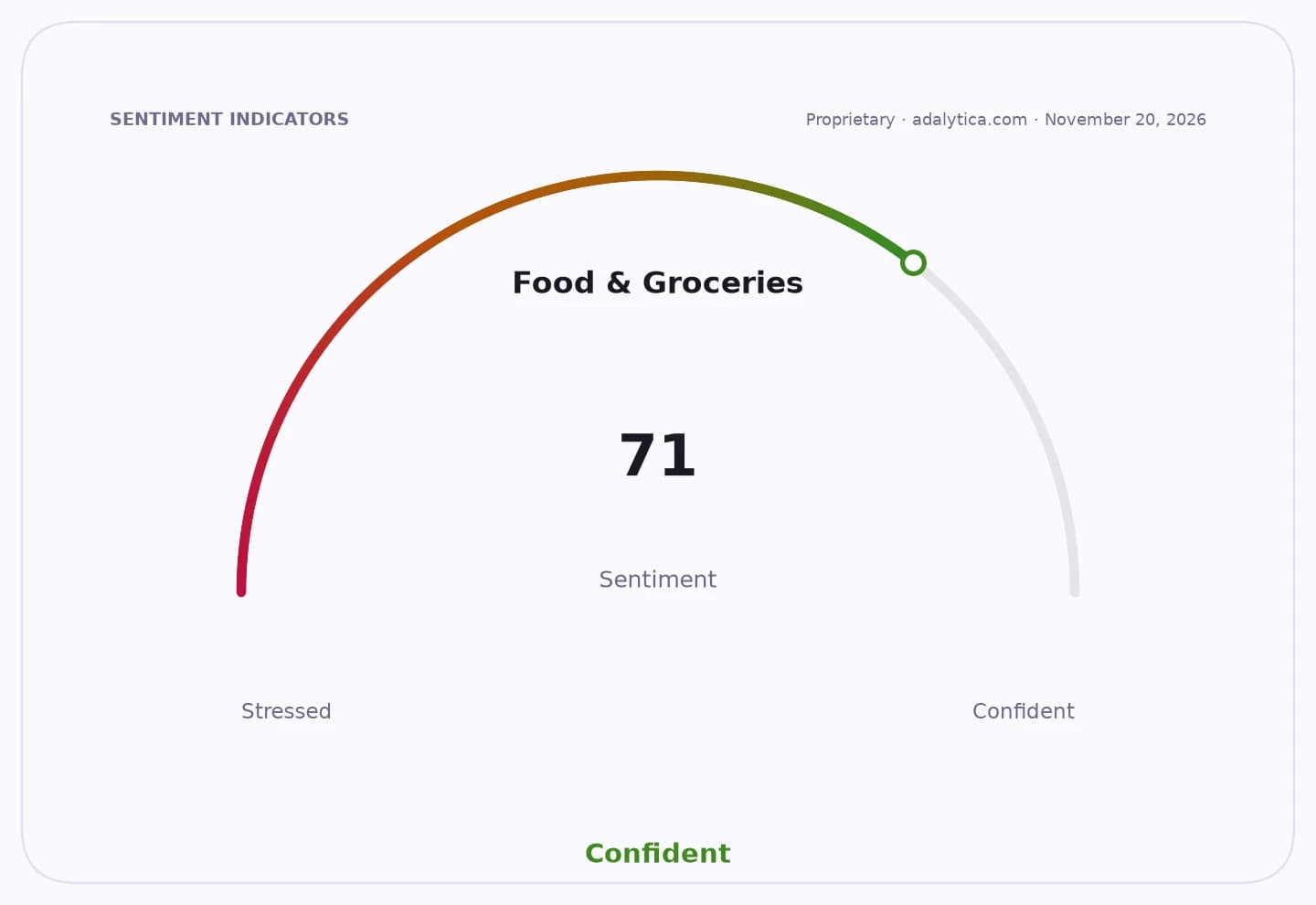
Food & Groceries
For investors, that matters because grain markets are increasingly being shaped by logistics, quality control and storage capacity as much as by weather and acreage. In a country where bread remains politically sensitive and wheat imports remain structurally important, every ton that can be stored safely, tested properly and kept free from spoilage reduces pressure on the state’s food bill and lowers the risk of supply disruptions that can ripple through consumer spending and inflation.
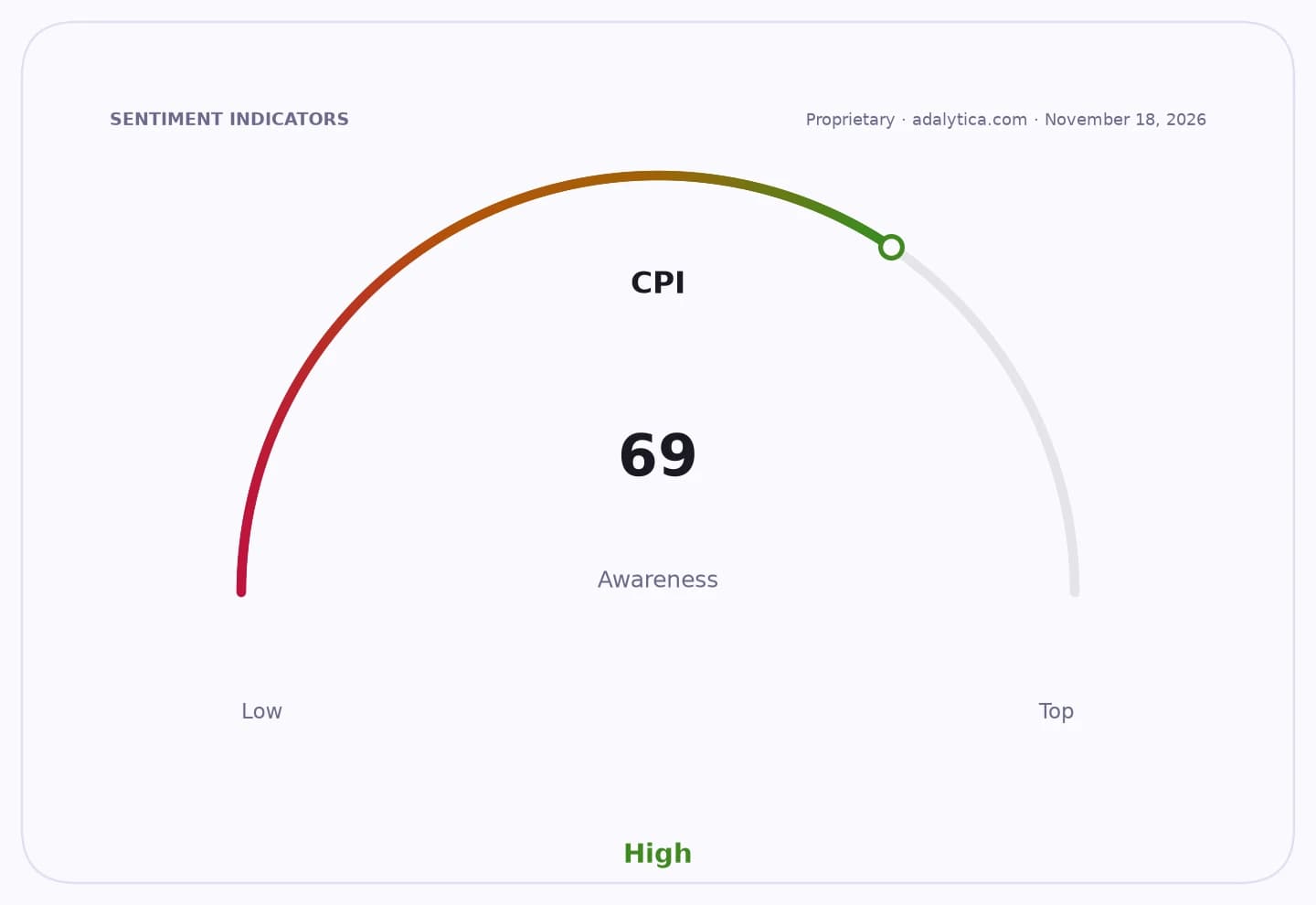
Sentiment Indicators
Inside the Emirati silo operated by the Holding Company for Silos and Storage in Gharbia province, the process is built around preserving value. The facility has 12 cells and a total capacity of 60,000 tons of wheat. Trucks are weighed, sampled and tested before any grain is accepted, with the laboratory checking moisture, cleanliness and specific weight, all according to standards set by the Ministry of Supply. Officials say the system is designed to remove human interference from grading and pricing decisions, which is critical in a market where even small inefficiencies can become costly at national scale.
That is the real investment story here. A modern silo does not just store wheat; it reduces waste, improves price discovery and makes public procurement more defensible. In emerging markets, where food subsidies can be politically unavoidable, the ability to limit post-harvest losses is one of the cheapest forms of economic insurance. The government does not need to buy as much replacement grain when existing stock is protected from deterioration, insects and heat damage.
The Tanta operation also highlights how infrastructure spending can quietly support macro stability. The silo uses fumigation, ventilation and ongoing pest control to prevent infestation from wheat weevils, flour beetles and other storage pests. Ventilation fans are switched on when temperatures rise, helping keep conditions within acceptable ranges. That sounds mundane, but it is exactly the kind of operational detail that determines whether a country preserves its grain reserve or bleeds value through spoilage.
The broader backdrop is a wheat market under strain. Authorities have moved to issue 10 million new smart ration cards offering 5 kilograms of free wheat a month, underscoring how seriously policymakers are treating supply pressure. At the same time, other regions are contending with uneven production conditions, from strong French soft wheat crops to drought-hit sowing in parts of India. Against that backdrop, storage capacity becomes part of the supply chain’s strategic moat.
For long-term investors, the message is not to chase a short-term wheat trade, but to understand the businesses and assets that make food systems more resilient: silo operators, storage and handling infrastructure, agricultural logistics and grain-quality technology. Those are the less visible beneficiaries of a world where governments are paying more attention to food security and import dependence.
If you are building a durable portfolio, this is the sort of structural theme worth watching. Wheat may be harvested in the field, but in economies like Egypt, its profitability is often decided in the silo.
| Entity | Gains | Losses |
|---|---|---|
| Holding Company for Silos and Storage | ▲Higher strategic relevance | ▼Spoilage and inefficiency |
| Egyptian consumers | ▲More stable wheat supply | ▼Shortages and price shocks |
| Government food budget | ▲Lower waste and losses | ▼Higher emergency import pressure |
| Grain traders with weak logistics | ▲Less room for arbitrage from disruption | ▼Margins from supply friction |