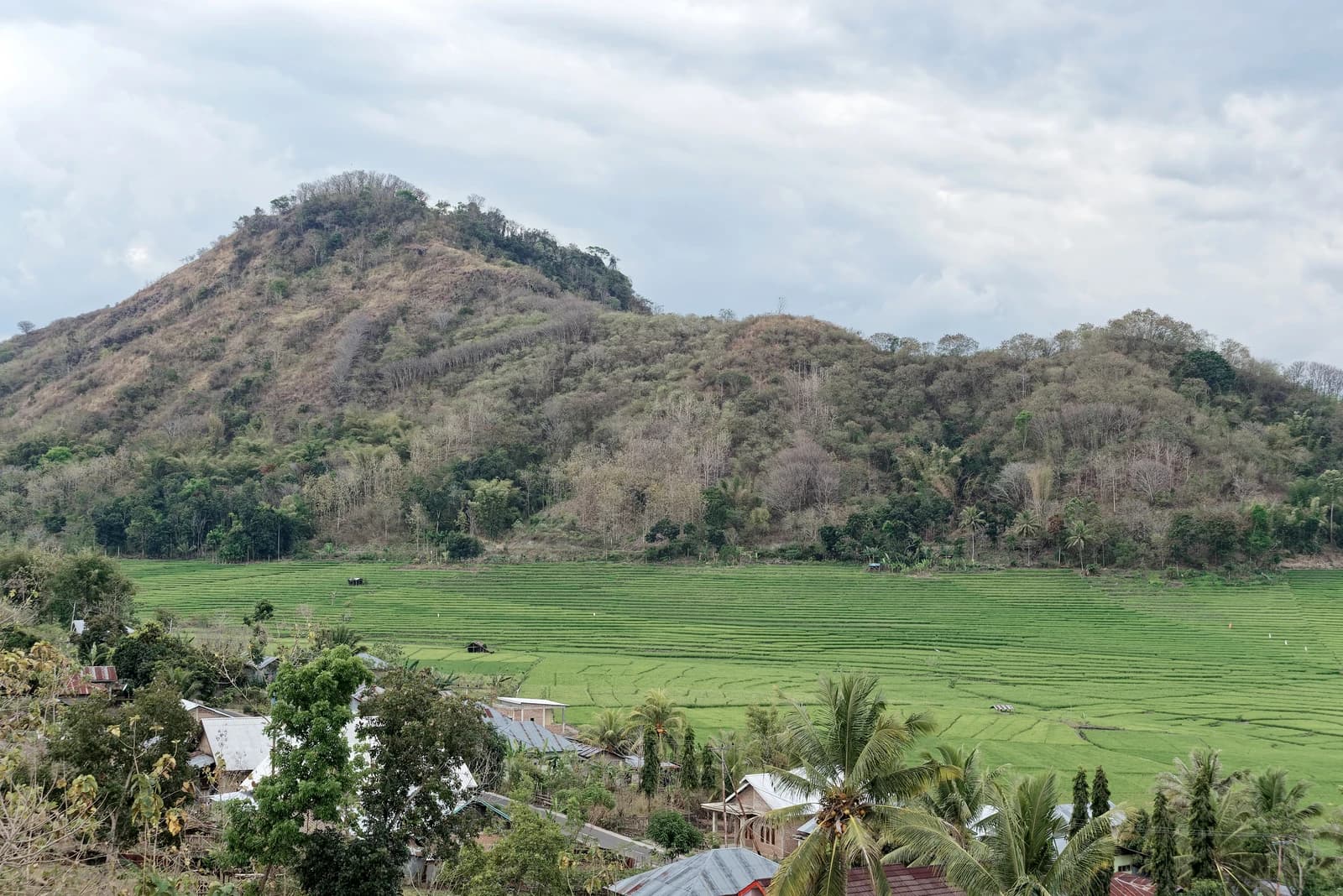
Indonesia’s rice reserve has slipped from a record 5.4 million tons to about 4.5 million tons, but the decline matters less as a signal of stress than as evidence that Jakarta is still sitting on an unusually large food buffer at a time of climate and geopolitical uncertainty.
Indonesia Rice Reserve Falls to 4.5 Million Tons
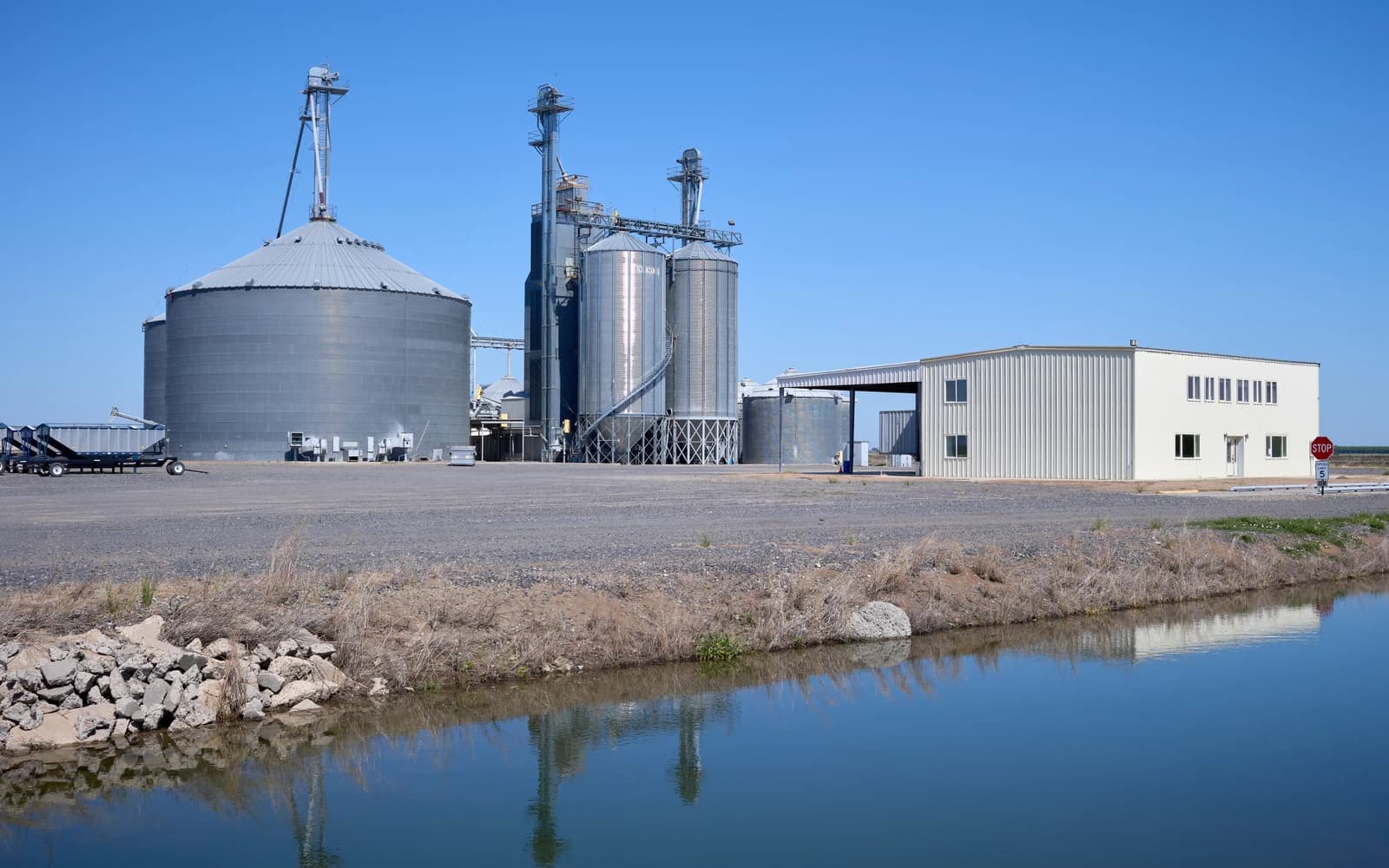
The drop in the government’s cadangan beras pemerintah, or CBP, reflects planned outflows for food aid and the SPHP price-stabilization program, not a supply crunch. Even after the drawdown, Perum Bulog says stocks remain strong enough to cover disruptions in supply or demand, while domestic procurement has continued to outpace targets.
Sentiment Indicators
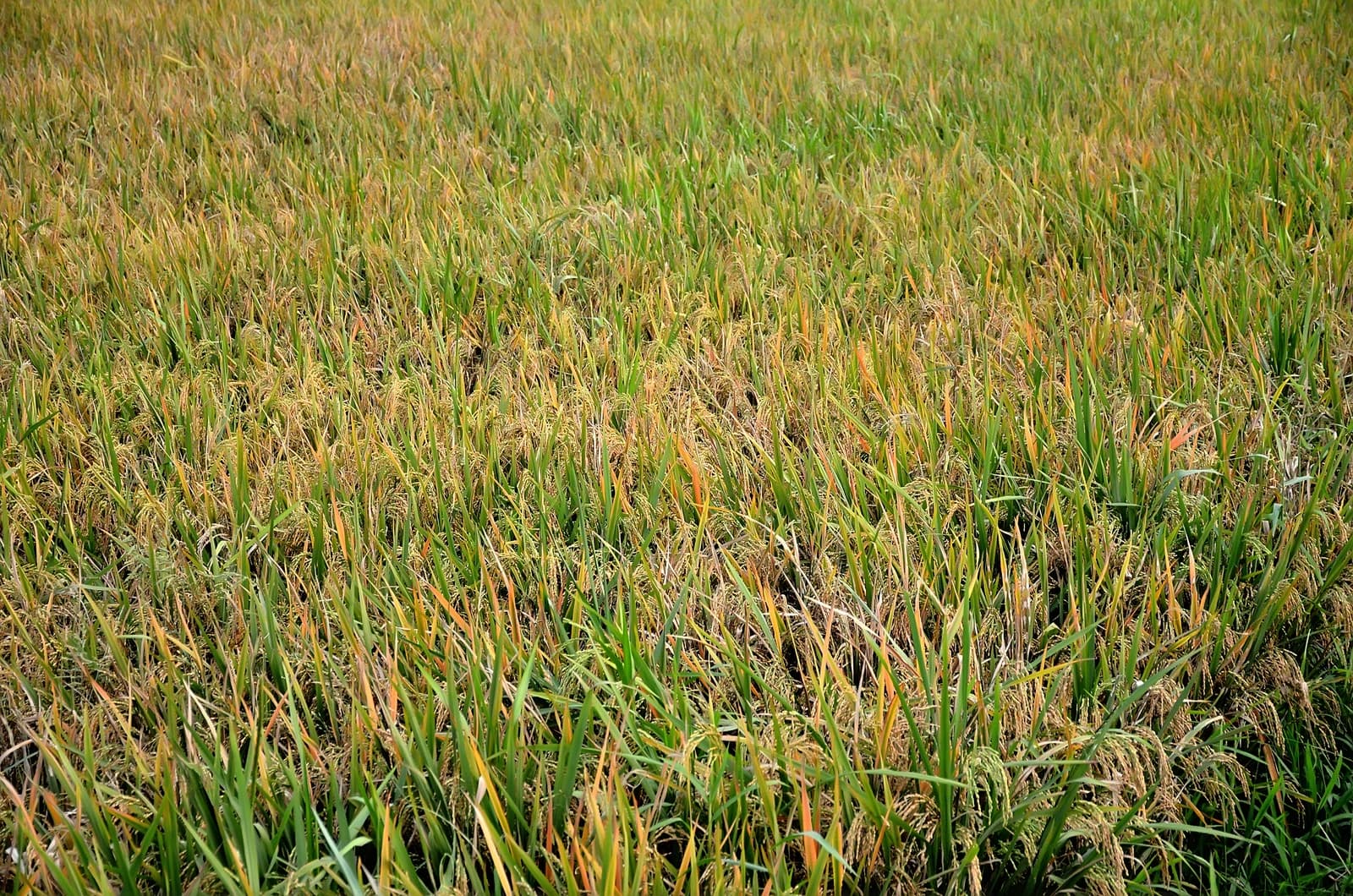
Bulog said it had absorbed about 4.4 million tons of milled-rice equivalent from domestic production in 2026, or roughly 110% of the government’s 4 million-ton buying target. That scale of procurement is economically important because it does two things at once: it supports farmer incomes by creating a reliable buyer, and it reduces Indonesia’s near-term exposure to imported rice in a volatile global market.
For policymakers, the bigger story is that Indonesia is trying to turn a one-year stock build into a multi-year food-security strategy. Bulog said the reserve is being managed alongside distribution to households and market interventions designed to keep prices contained, a balancing act that becomes harder if weather shocks, shipping disruptions or regional geopolitical tensions tighten global supply.
The reserve level also gives the government room to move if domestic prices rise again. Large stocks can blunt inflation in staple foods, which is crucial in a country where rice remains a political and social pressure point. At the same time, keeping inventories elevated carries costs: storage, quality management and the risk of overreliance on intervention rather than productivity gains in the farm sector.
Investors focused on global grains are likely to read the data as mildly bearish for import demand in the near term, but bullish for policy stability in Indonesia. Conventional technical indicators on grain-tracking funds have turned softer in recent sessions, with the broad agriculture ETF DBA and corn-focused CORN both below their 50-day moving averages, while wheat fund WEAT has also retreated from earlier highs. That backdrop suggests markets are already pricing less urgency around immediate food shortages, even as supply risks remain elevated.
Bulog’s message is that the reserve drawdown is manageable and temporary. The real test will be whether Indonesia can keep replenishing stocks through domestic procurement in 2027-2029 without forcing prices higher for consumers or undercutting incentives for farmers. For now, the country still has a substantial cushion — but one that will need active management as climate risk and global trade fragmentation persist.
| Entity | Gains | Losses |
|---|---|---|
| Bulog / government | ▲Food-security buffer | ▼Storage and holding costs |
| Indonesian consumers | ▲More stable rice supply | ▼None if inflation stays contained |
| Rice farmers | ▲Stronger domestic buyer | ▼Pressure if procurement slows |
| Global rice exporters | ▲None | ▼Weaker near-term import demand |