Italy is preparing to spend about 7 billion euros over the coming years on defences against hybrid warfare and is considering a 5,000-strong “cyber army” to patrol the internet, a step that underscores how European governments are recasting cyber security as a national security and industrial policy issue rather than a narrow IT concern.
Italy Plans 7 Billion Euros for Hybrid Warfare Defense
The move matters economically because it points to a sustained rise in public spending on digital defence, surveillance and resilience at a time when governments are warning that the battlefield now extends from trenches and satellites to social media, school systems and airline networks. Italian Defence Minister Guido Crosetto said the country can no longer distinguish between conventional war and hybrid or cognitive warfare, arguing that disinformation, cyberattacks and economic pressure are now part of the same threat matrix.
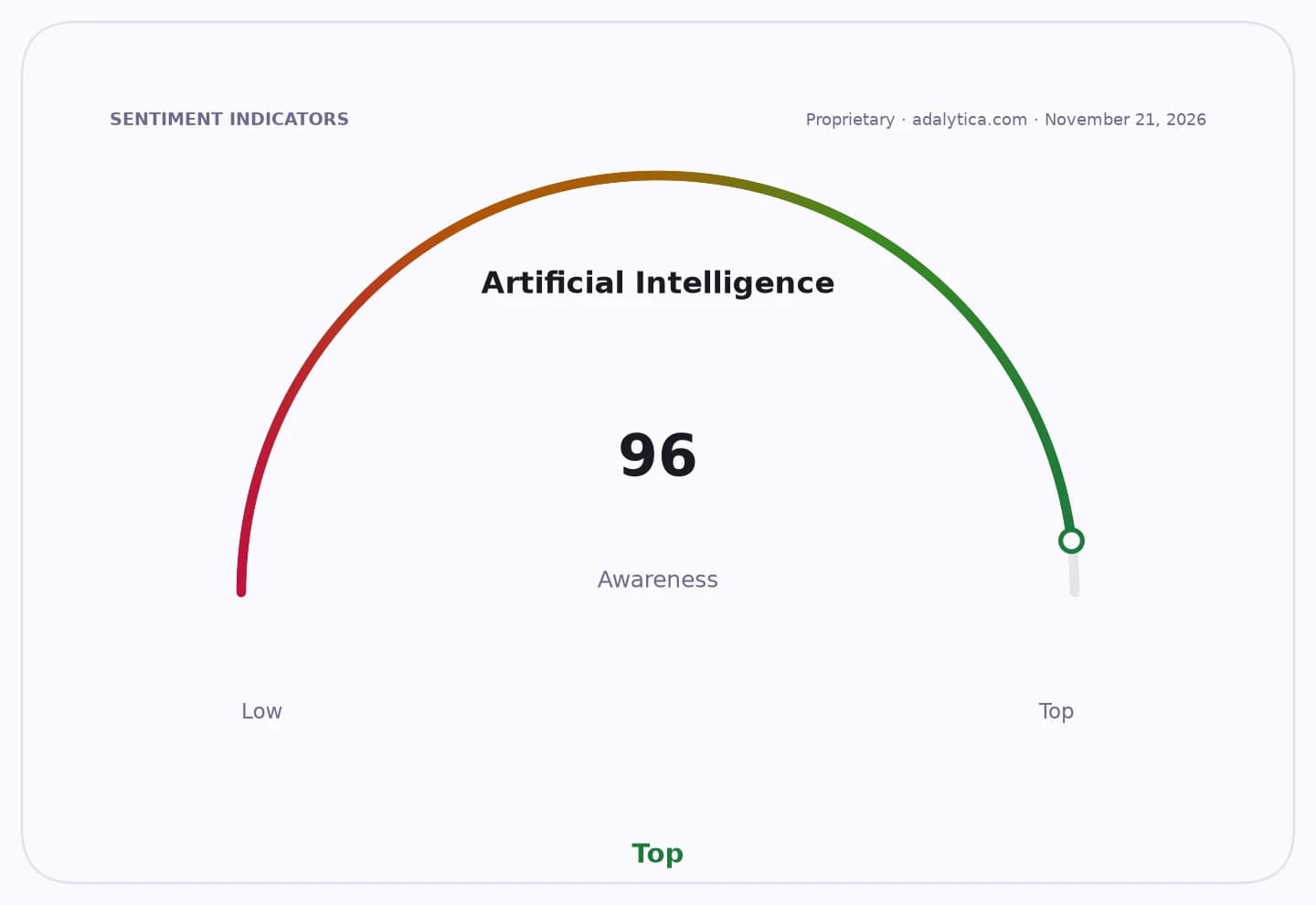
Sentiment Indicators
Rome said the budget for anti-hybrid warfare measures has already climbed more than fourfold over six years, from 126 million euros in 2019 to 557 million euros in 2025. It plans roughly 2 billion euros for 2026-2028, followed by another 7 billion euros in the subsequent three-year period, including the G-Cap technology programme. That suggests a multi-year procurement and services cycle that could benefit cyber defence vendors, systems integrators and telecom and cloud-security suppliers across Europe.
For investors, the immediate read-through is positive for cybersecurity names with exposure to government spending, critical infrastructure protection and managed detection services. Palo Alto Networks, CrowdStrike and Fortinet have already been trading on expectations that public-sector demand will remain durable as Europe hardens its digital borders. The broader market backdrop is constructive for the sector even after sharp share-price swings, because policy spending tends to be stickier than enterprise IT budgets and often extends beyond software into training, intelligence, compliance and operations.
The policy direction also signals tighter regulation for large technology platforms. Crosetto said major tech companies should be held responsible for what happens on their social networks and for how data is collected and used, particularly as artificial intelligence accelerates the spread of manipulation and disinformation. That puts Brussels’ digital rules back in focus and raises the risk of fresh friction with U.S. tech groups such as Meta and Elon Musk’s X, both of which have already clashed with the European Union over moderation and transparency requirements.
There are limits to the bullish case. Building a 5,000-person cyber force would take time, and the practical challenge of defining a national cyber space and coordinating action with the EU could slow execution. Oversight, privacy concerns and procurement delays may also dilute the scale of the opportunity. But the strategic message is clear: Europe is shifting from reactive cyber hygiene to a more militarised, state-backed model of digital defence, and that should keep cybersecurity spending elevated well beyond this budget cycle.
| Entity | Gains | Losses |
|---|---|---|
| Cybersecurity vendors | ▲Higher government demand | ▼Pricing pressure |
| Italian defence sector | ▲Larger multi-year budgets | ▼Slow procurement |
| Big tech platforms | ▲Policy clarity | ▼Stricter liability |
| Disinformation actors | ▲Less operating room | ▼More monitoring |