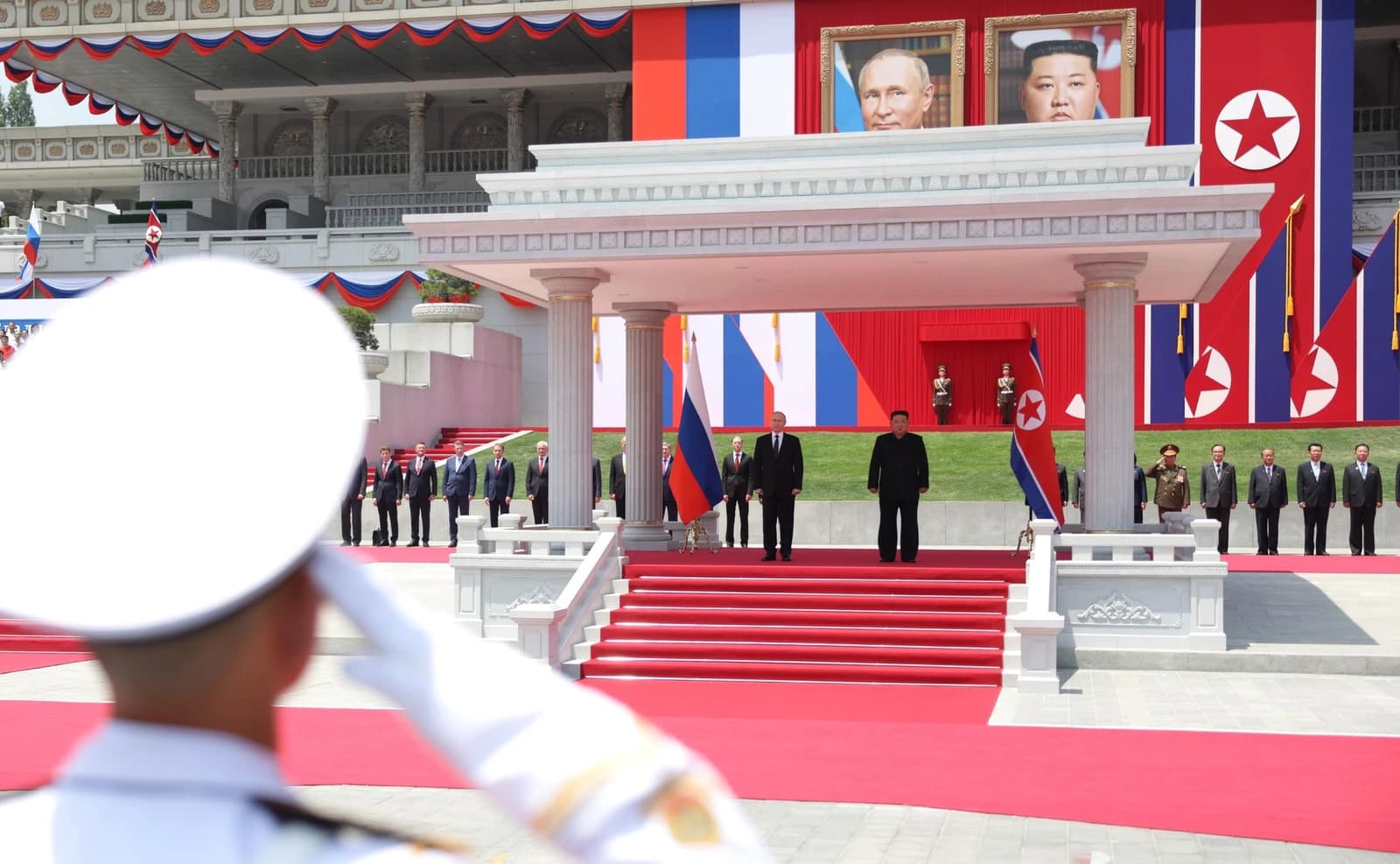
Russia and Tajikistan said they will widen cooperation in artificial intelligence and the digital environment, underscoring how cybersecurity and regional security are increasingly driving technology partnerships across Central Asia.
Russia, Tajikistan Expand AI and Digital Cooperation
The agreement, disclosed after talks between Vladimir Putin and Emomali Rahmon, matters less as a standalone tech initiative than as a sign that Moscow is folding AI and digital infrastructure into its broader security architecture with a neighboring state that sits on a sensitive migration, counterterrorism and narcotics corridor.
According to the Tajik presidential press service, the two presidents also discussed terrorism, extremism, cyberthreats and illicit drug trafficking. That mix is telling: in this region, “digital cooperation” is rarely just about software. It increasingly covers surveillance tools, secure communications, data infrastructure and state control over online space, all of which have strategic value for governments trying to harden domestic security.
For Russia, the move fits a wider push to maintain technological influence in the post-Soviet region as Western sanctions and export controls constrain access to advanced hardware and cloud services. For Tajikistan, deeper ties with Moscow may bring access to technical expertise and infrastructure, but also greater dependence on a dominant external partner at a time when Central Asian states are trying to balance Russian, Chinese and Western influence.
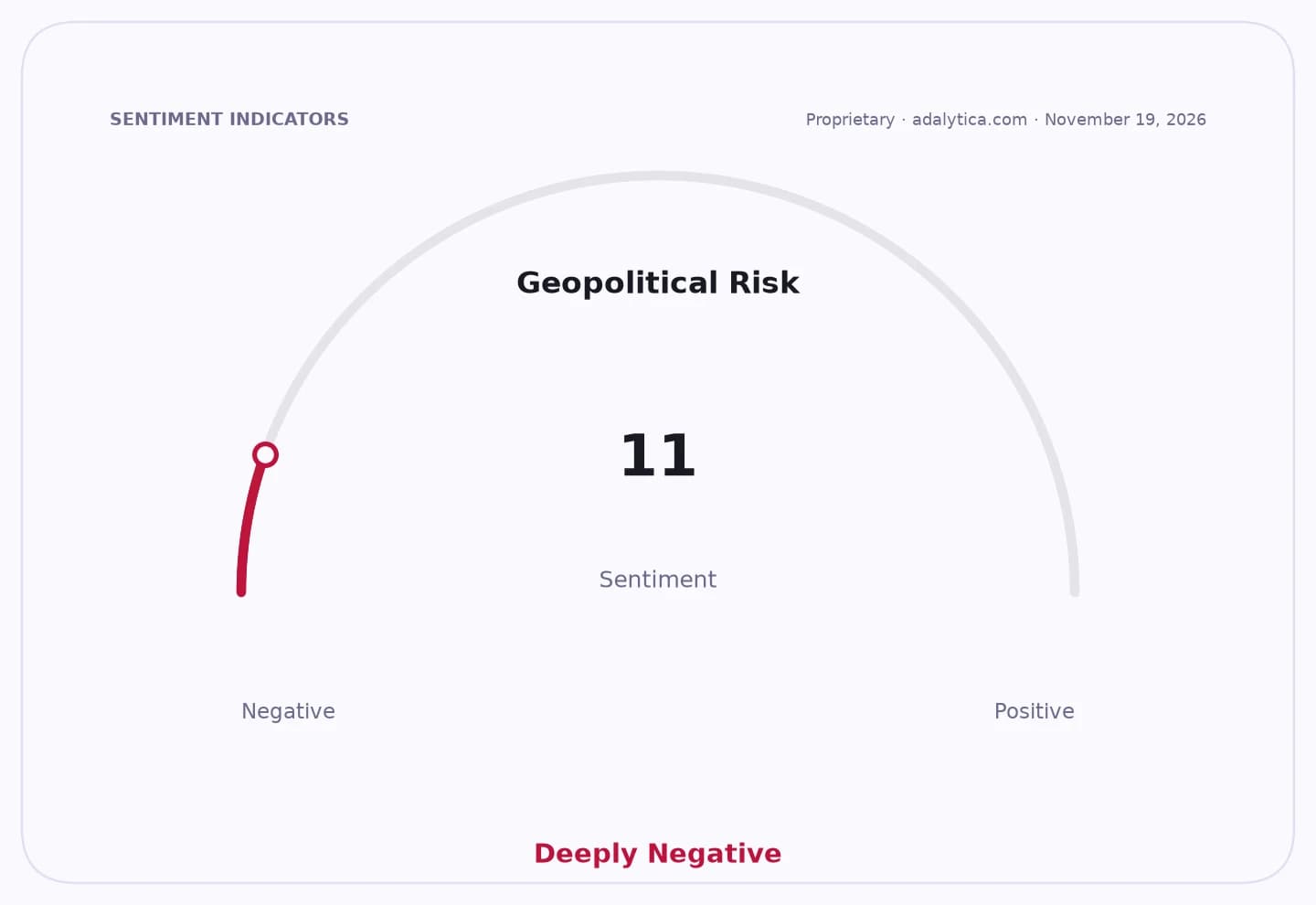
Investors should read the announcement as a geopolitical signal rather than a near-term market catalyst. There is no direct evidence here of a listed-company contract or a measurable spending program, but the policy direction reinforces demand for state-backed digital systems, cyber defense and AI-enabled security applications in the former Soviet sphere.
The broader market implication is that AI adoption is no longer confined to commercial productivity tools. Governments are increasingly treating it as part of national security, which could support spending on defense technology, network security and sovereign digital infrastructure while raising concerns about surveillance, regulatory fragmentation and the military use of AI.
The key question now is whether this kind of bilateral cooperation turns into concrete procurement, data-sharing and infrastructure projects. If it does, it would show how AI is becoming embedded in Eurasian security policy, with implications not just for regional diplomacy but for the companies and contractors supplying the underlying technology.
| Entity | Gains | Losses |
|---|---|---|
| Russia | ▲Regional tech influence | ▼Western isolation |
| Tajikistan | ▲Security tools and expertise | ▼Digital dependence |
| Security vendors | ▲New public-sector demand | ▼Commercial uncertainty |
| Open internet norms | ▲— | ▼State control expansion |