The European Union has proposed a 3% levy on the net turnover of major digital platforms in a bid to help finance its next long-term budget, a move that could sharpen transatlantic tensions while giving Brussels a new revenue tool in a bruising fight over spending.
EU Proposes 3% Digital Tax on Big Tech
The plan is economically significant because it reflects a broader shift in the EU’s budget politics: member states are increasingly unwilling to raise national contributions, yet the bloc still needs fresh funding for agriculture, regional support, defense-related priorities and other common programs. By targeting firms with at least 50 million euros in EU digital turnover and more than 750 million euros globally, the proposal would effectively draw revenue from some of the world’s most profitable technology groups rather than from national treasuries.
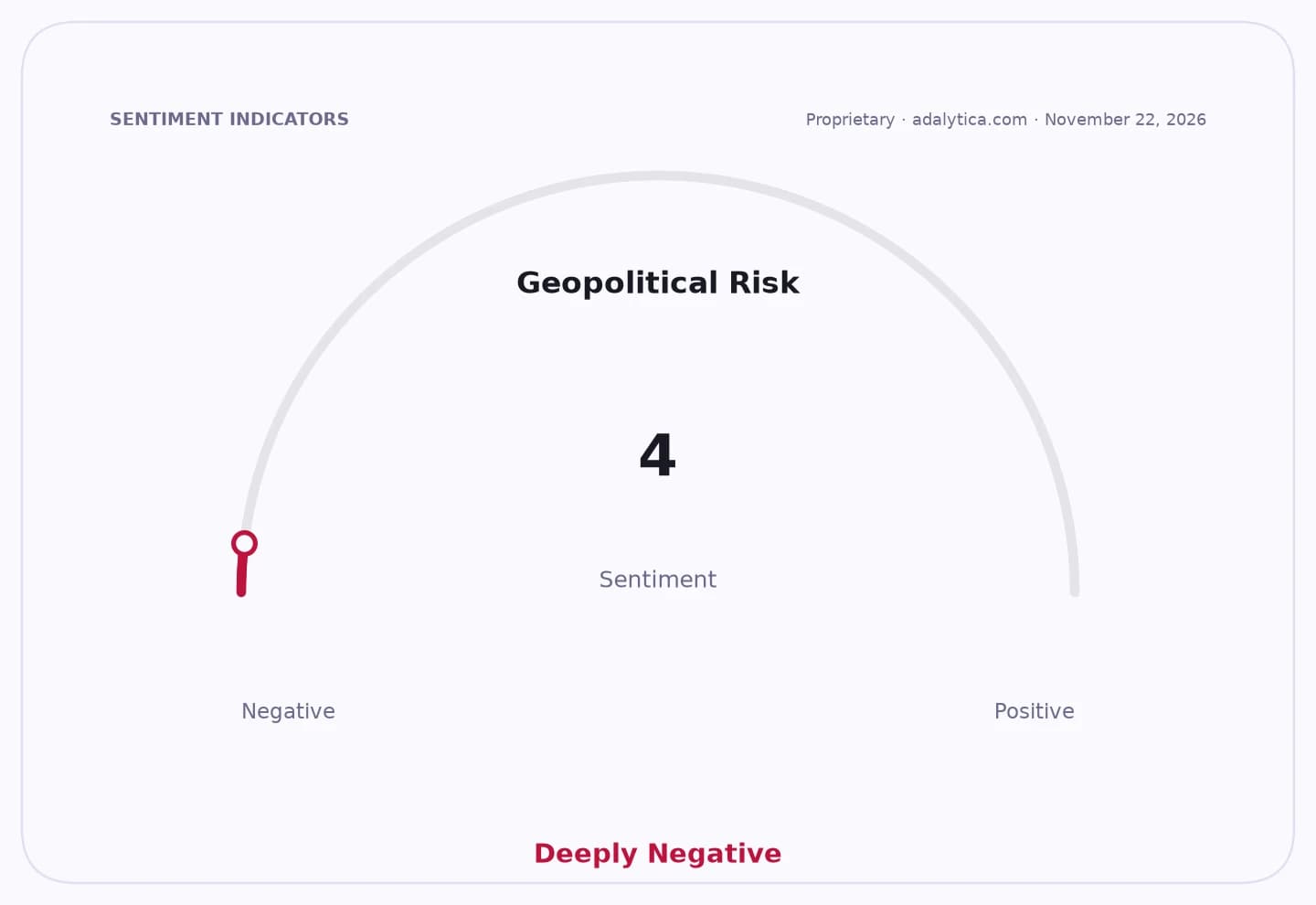
Sentiment Indicators
That matters to investors because the tax would land on companies that dominate online advertising, digital intermediation and user-generated data monetization — core revenue engines for Google parent Alphabet and Meta Platforms, and to a lesser extent Amazon. Even if the levy is ultimately diluted, it adds another layer of policy risk to already heavily regulated digital businesses in Europe, where competition rules, content oversight and tax disputes have repeatedly threatened earnings visibility and valuation multiples.
The proposal arrives as European leaders try to bridge a widening split over the bloc’s 2028-2034 budget. Antonio Costa, the European Council president, has already cut 204 billion euros from a draft and is seeking a deal by year-end. Germany and other “frugal” states want lower spending and smaller national contributions, while France and several southern and eastern members are pushing to preserve support for cohesion and agriculture. The digital tax is part of that compromise effort, alongside levies on electronic waste and higher tobacco taxes.
But the politics extend far beyond Brussels. The measure is likely to anger President Donald Trump’s administration, which has repeatedly reacted forcefully to EU fines and regulatory action against Big Tech. That raises the chance that the tax becomes another flashpoint in a wider U.S.-EU dispute over digital sovereignty, trade and market access. For Washington, it reinforces the view that Europe is shifting the burden toward foreign technology champions; for Brussels, it is a way to argue that the biggest beneficiaries of the digital economy should contribute to the public finances of the market they serve.
For investors, the immediate issue is less the size of the levy than the precedent. If the EU can agree on a bloc-wide digital contribution, it strengthens the case for similar revenue-raising measures elsewhere and increases the odds of recurring policy pressure on large platforms. Alphabet, Meta and Amazon all trade with significant exposure to European earnings, and shares can be sensitive when taxation risk collides with slowing growth or heavy AI spending. A formal deal is not yet in hand, and the European Parliament could still object, but the direction of travel is clear: Europe is looking for money where global digital giants are most exposed.
The next catalyst is the leaders’ meeting in Brussels and the push for a December agreement. If Costa can hold the line against budget hawks and persuade reluctant governments that new revenue is preferable to deeper cuts, the tax could become part of the EU’s long-term financing framework. If not, the bloc may enter the 2027 election cycle still locked in a fight over who pays for Europe’s ambitions — and Big Tech will remain in the crosshairs.
| Entity | Gains | Losses |
|---|---|---|
| EU budget supporters | ▲New revenue source | ▼Lower reliance on national contributions |
| Big Tech firms | ▲Limited clarity if diluted | ▼Higher tax burden, policy risk |
| Frugal member states | ▲Pressure for budget restraint | ▼Less leverage if new levies prevail |
| US-EU trade ties | ▲Possible compromise if softened | ▼More friction if tax escalates |