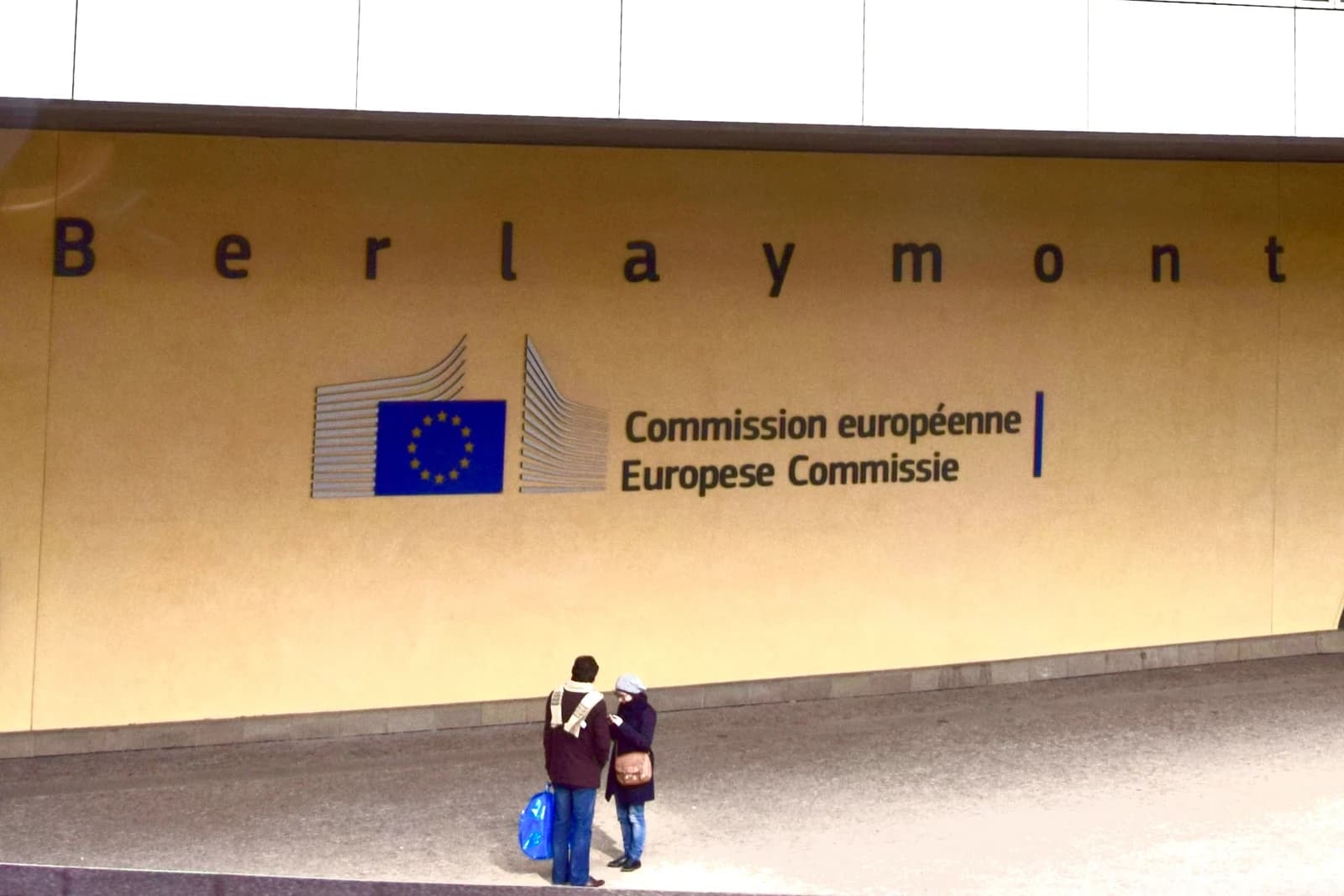
The European Union is preparing to trim billions of euros from science, regional development and competitiveness budgets to help finance Ukraine, a move that underscores how the war is reshaping Europe’s fiscal priorities and could weigh on the bloc’s long-term growth prospects.
EU plans budget cuts to fund Ukraine
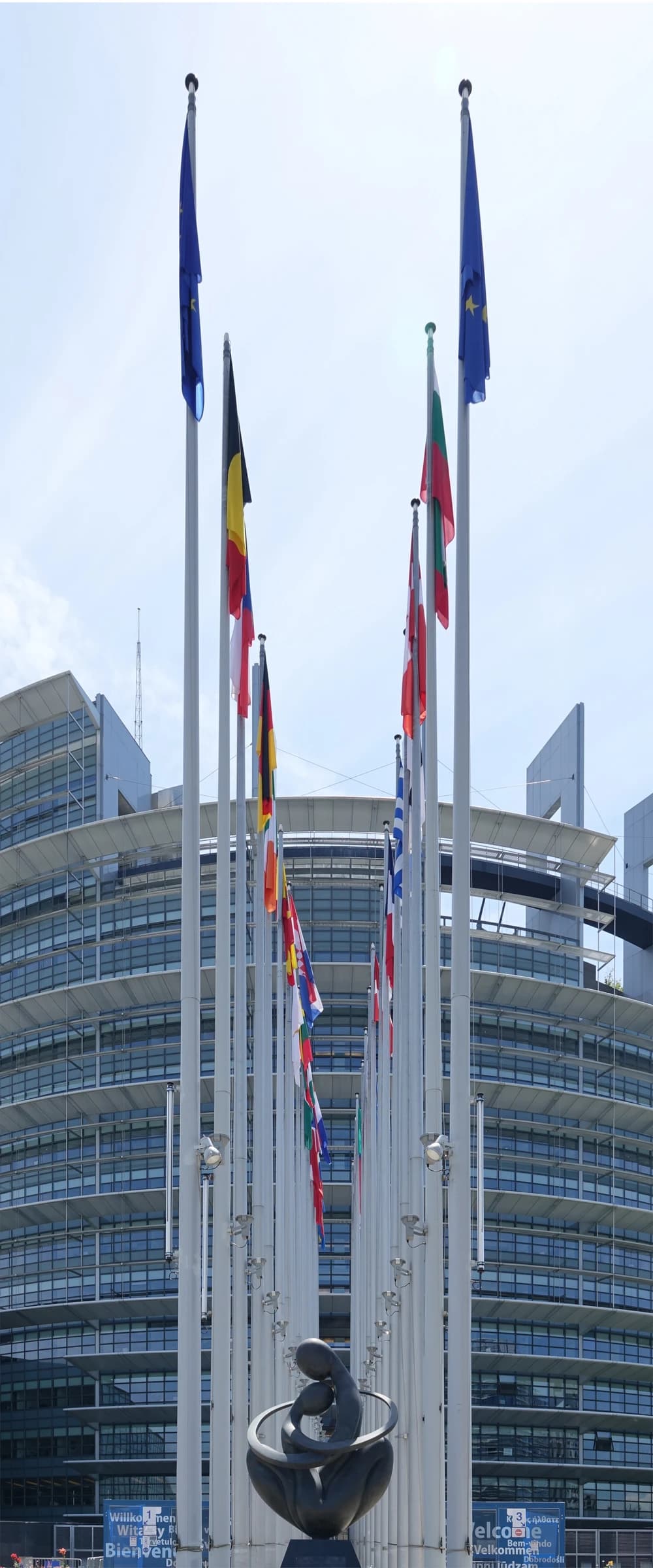
That matters because this is not just a one-off budget shift. The cuts, if carried through as reported, would redirect money away from the kinds of spending that usually support productivity, innovation and industrial competitiveness. In plain terms, Europe would be choosing wartime support today over some of the investments that help economies grow faster tomorrow.
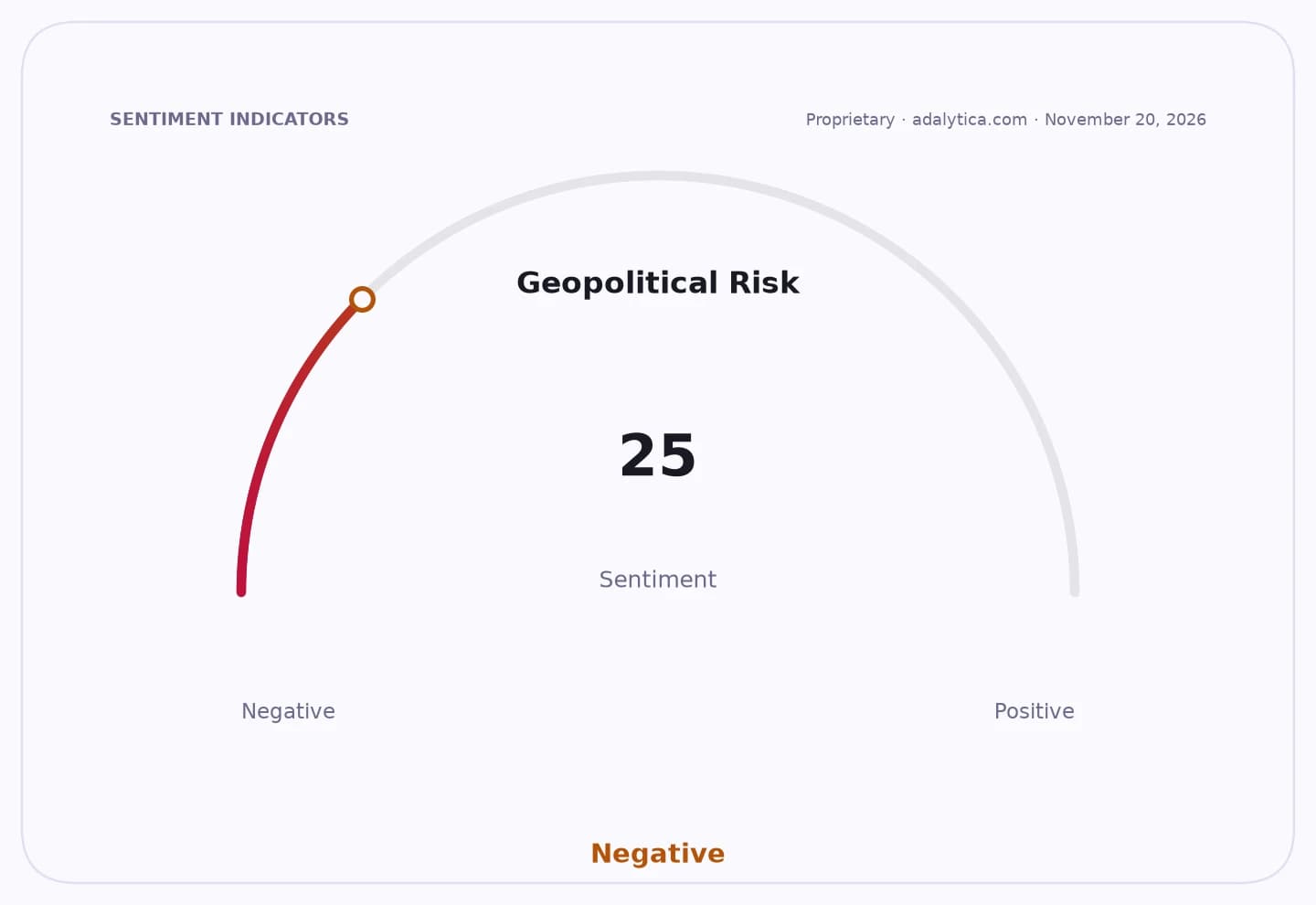
Sentiment Indicators
According to the report, the EU is considering cutting €54.3 billion from social and economic development for regions and agriculture, while another €95.4 billion would be taken from spending tied to competitiveness, prosperity and security. The freed-up funds would go to Kyiv. Brussels had already approved a record €7.9 billion tranche for Ukraine, a reminder of how quickly the financing burden is rising.
For investors, the message is clear: Europe’s policy mix is becoming more defensive and more fiscally constrained. That can matter for European equities, especially companies tied to public investment, research funding and infrastructure spending. It also helps explain why Europe may continue to lag the United States in sectors driven by scale, venture capital and technological reinvestment. If the EU is forced to lean harder on existing budgets to support Ukraine, the payoff may be geopolitical stability, but the cost could be slower domestic capital formation.
The market backdrop reinforces that caution. The iShares MSCI EAFE ETF, which tracks developed markets outside the U.S., has slipped in recent sessions and is trading below its 50-day moving average. Germany’s ETF has also weakened, with its relative strength index falling to levels that suggest near-term pressure, while the UK fund has lost ground as well. None of that proves the budget news is driving prices, but it does show that investors are already treating Europe as a region where policy and growth questions remain unresolved.
There is also a broader strategic narrative here. Europe has spent years talking about boosting innovation, productivity and strategic autonomy. Redirecting money from science and competitiveness toward war spending may be politically necessary, but it is the sort of trade-off that compounds over time. Fewer research euros today can mean fewer breakthroughs tomorrow, whether in biotech, AI, clean energy or advanced manufacturing.
That does not make Europe uninvestable. It does, however, strengthen the case for patience and selectivity. Long-term investors should look for companies and funds that can grow despite leaner public budgets, rather than assume Brussels will always be a tailwind. The broader lesson is familiar: geopolitics can force governments to spend where they must, not where they would prefer. For investors, that is a reason to watch Europe closely, diversify broadly and keep the time horizon long.
| Entity | Gains | Losses |
|---|---|---|
| Ukraine | ▲More EU financing | ▼None immediately |
| EU policymakers | ▲Geopolitical leverage | ▼Budget flexibility |
| Science and research programs | ▲None | ▼Lower funding |
| European taxpayers and growth sectors | ▲Fiscal discipline | ▼Less investment support |