Trump’s message to European leaders is the clearest sign yet that Washington expects the continent to carry more of Ukraine’s financial burden — and that, if the war ends, those budgets can be redirected back home. That matters because Europe’s long aid runway has become a macro issue, not just a geopolitical one: it affects sovereign spending plans, defense procurement, industrial capacity and the valuation of contractors tied to the war.
Europe Ukraine Funding Could Support Defense Stocks

The shift also reinforces a market narrative that the Ukraine trade is evolving from emergency wartime support toward a longer-cycle European rearmament story. If Europe is told to finance Kyiv now and then absorb the savings later, the immediate winners are the defense primes, munitions suppliers and logistics firms that sit inside the aid chain. The eventual losers are the political constituencies fighting over stretched budgets in Germany and across the EU, where Friedrich Merz is already threatening to block the bloc’s 2028-2034 budget unless Ukraine funding is locked in.
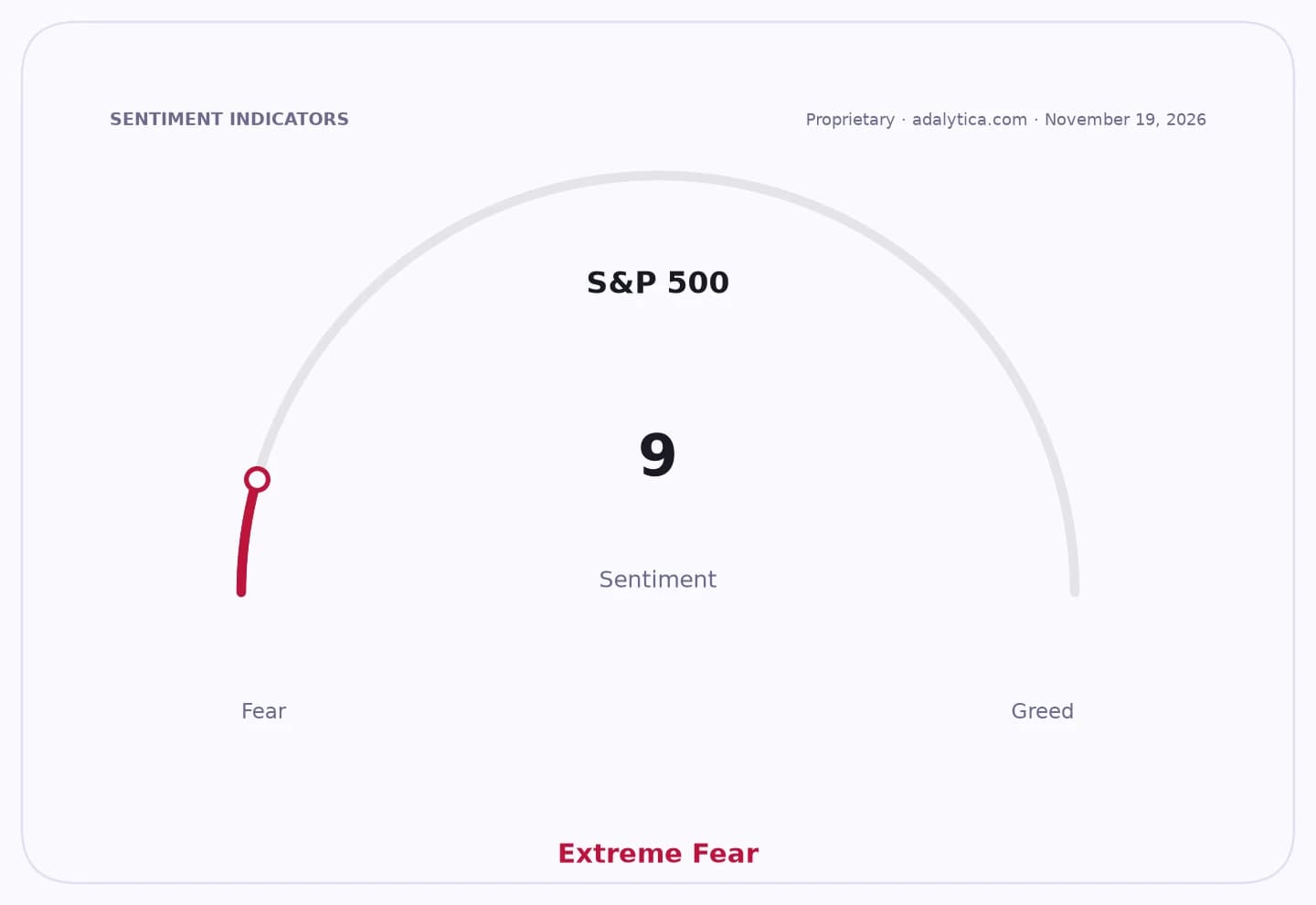
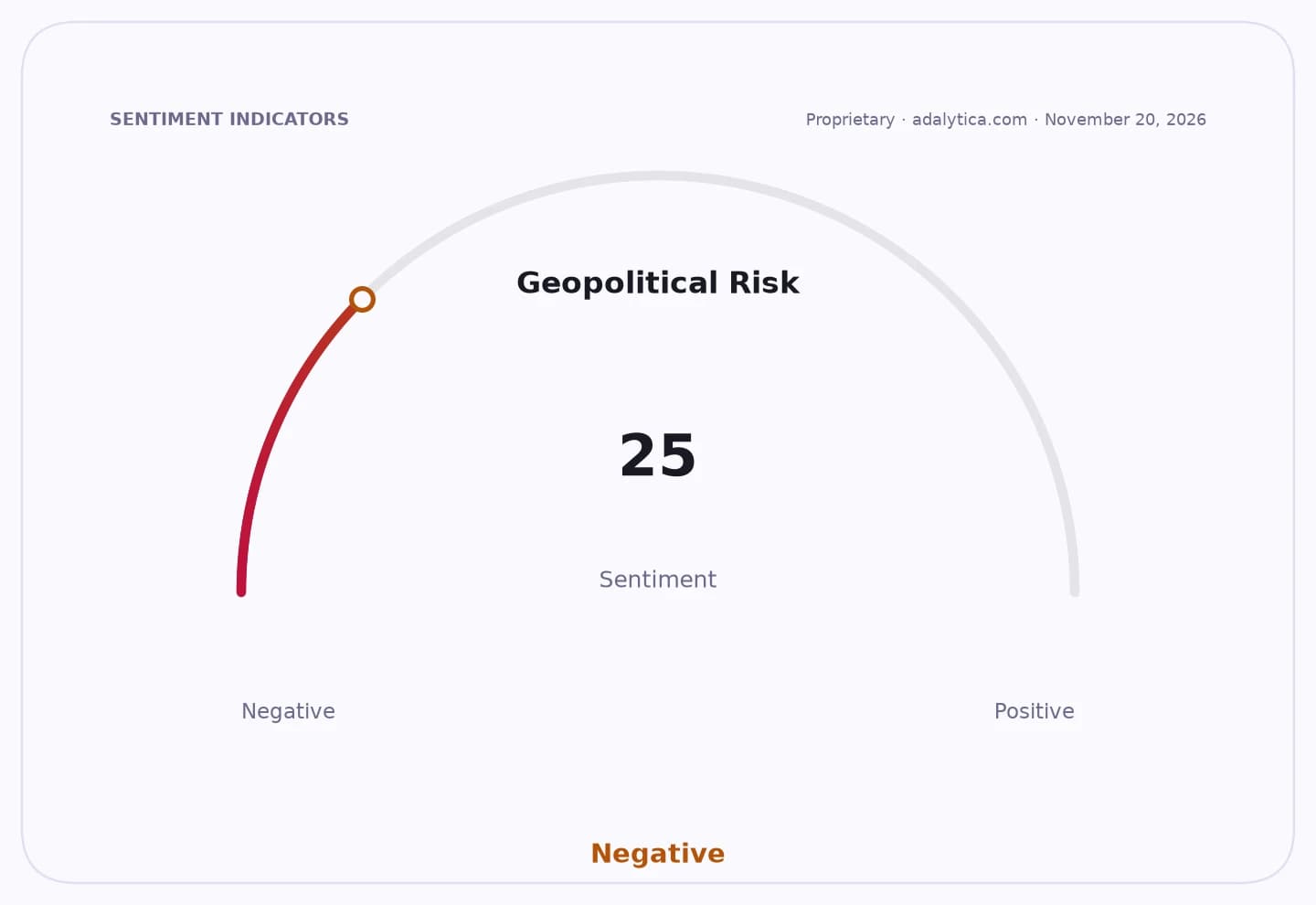
Sentiment Indicators
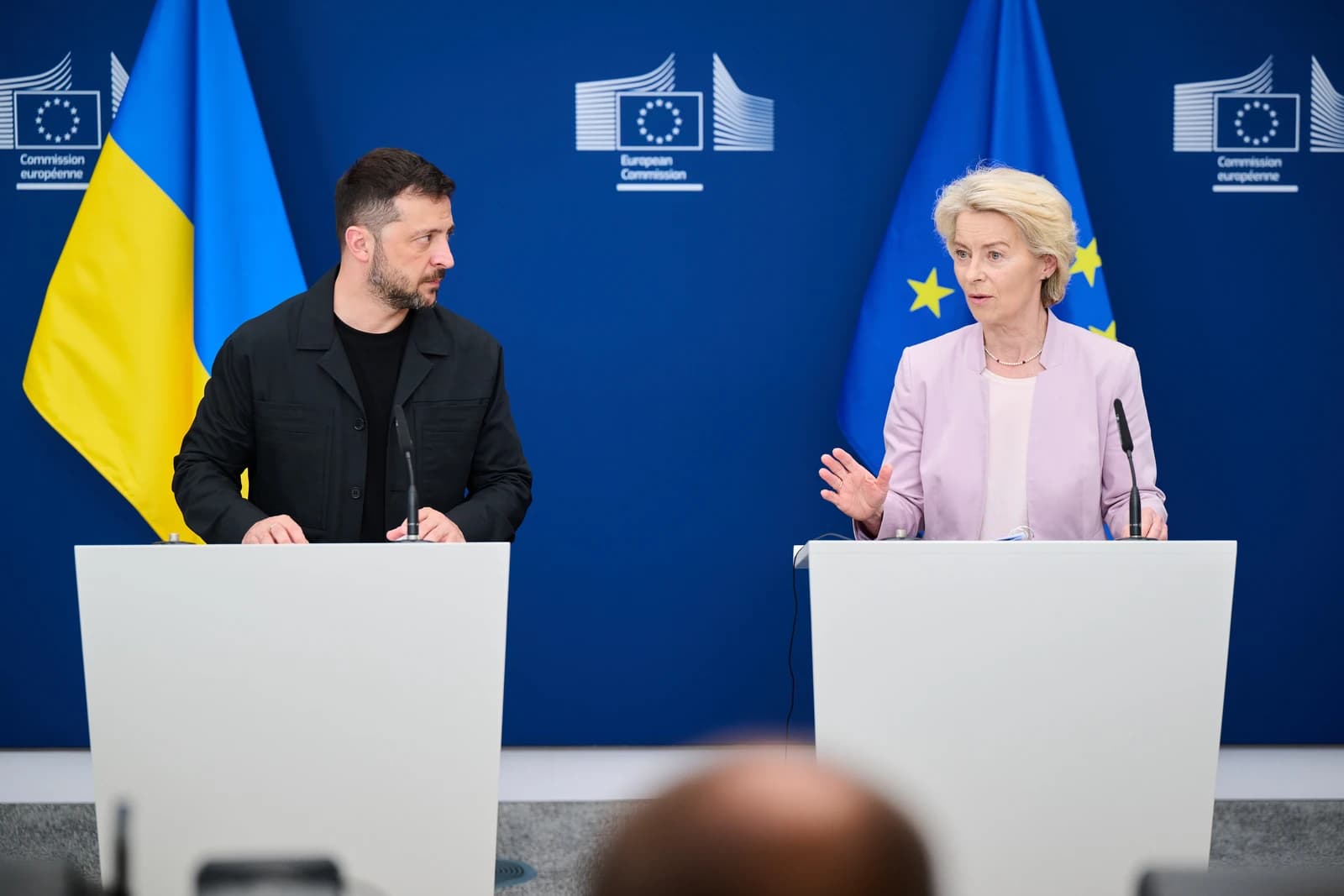
That backdrop is why investors should read the latest diplomacy through the lens of capital flows, not only peace talks. Zelenskiy said Trump told European leaders they could spend the money on themselves once the war ends, after a call into a Berlin meeting of the “coalition of the willing.” Trump also said Vladimir Putin wanted the war settled diplomatically, even as Kyiv remains skeptical and Russia keeps pressing for control of all of Donbas. The resumed talks in Abu Dhabi and the possibility of a Trump-hosted G20 meeting in Miami next month suggest negotiations are moving, but not necessarily fast enough to remove the need for near-term support.
For defense investors, the practical takeaway is that Europe’s spending cycle is not going away even if a cease-fire emerges. It may simply change form — from aid to rebuild, rearm and replenish. That keeps the structural case alive for Northrop Grumman, Lockheed Martin and Boeing, all of which have already been building backlog as governments front-load orders in a more unstable world. Northrop’s backlog stood at $100.5 billion at the end of September, while Lockheed’s defense unit backlog climbed to $100.5 billion as well, underscoring how durable the demand pipeline remains.
The near-term market signal is also constructive for contractors despite mixed share action. Northrop’s stock has held above its 50-day moving average after a sharp rebound from the October lows, and Lockheed is still in a broader uptrend even after recent weakness. Boeing is the more volatile way to play the theme, but any sustained European procurement push would support its defense and services franchises, especially if governments race to replace stockpiled equipment.
I believe the market underestimates how political this spending decision has become. If Europe is pushed to fund Ukraine now, then later allowed to recycle that money into domestic priorities, the result is not austerity — it is deferred defense and industrial spending. That is exactly the kind of setup that creates an asymmetric opportunity in the picks-and-shovels of the new security order.
The best way to position is to stay long the defense and aerospace names that win whether the war drags on or ends in an uneasy settlement. The catalyst is no longer just battlefield headlines; it is the budget architecture of Europe itself.
| Entity | Gains | Losses |
|---|---|---|
| European defense primes | ▲Higher procurement budgets | ▼Budget uncertainty |
| Northrop Grumman, Lockheed Martin, Boeing | ▲Backlog support | ▼Peace dividend timing |
| EU fiscal hawks | ▲Spending flexibility later | ▼Near-term budget pressure |
| Ukraine aid skeptics | ▲Less long-term burden | ▼Ongoing war financing |