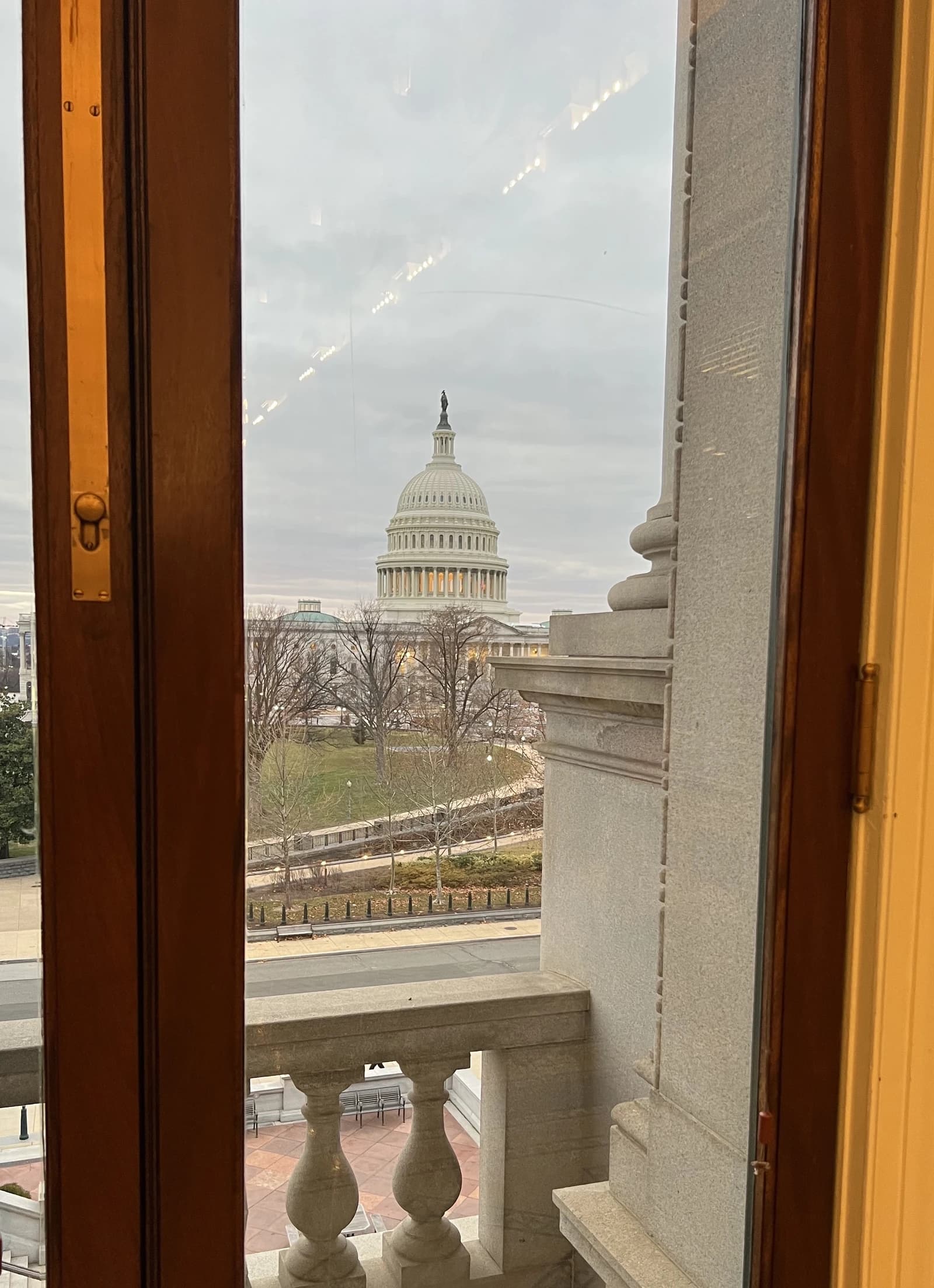
Ukraine’s refusal to hand over the remaining part of Donbass to Russia reflects a core battlefield fear: that any territorial concession could leave Moscow with a clearer path toward the capital and weaken Kyiv’s negotiating position just as peace efforts are resurfacing.
Ukraine Refuses Donbass Deal as Peace Talks Resume
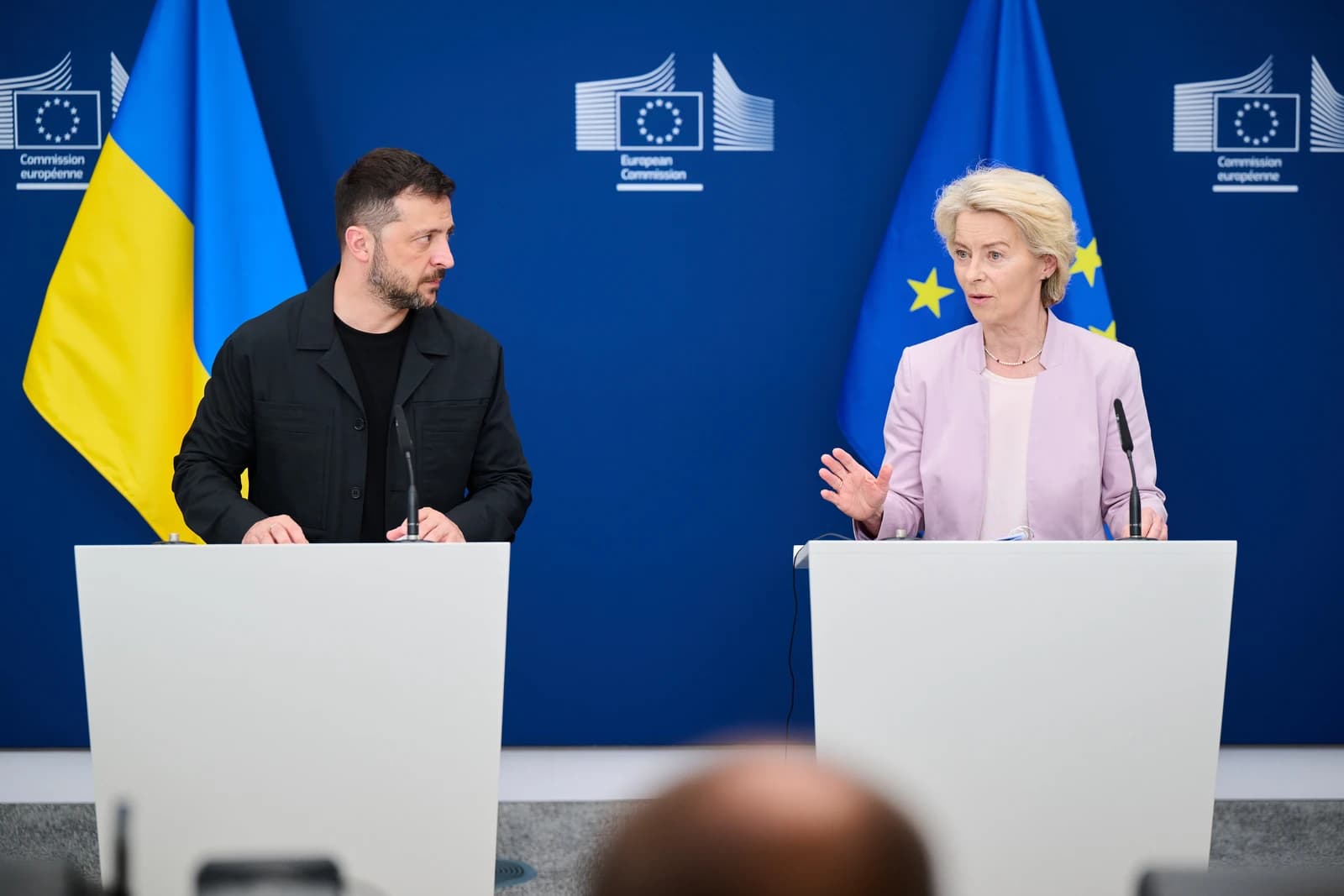
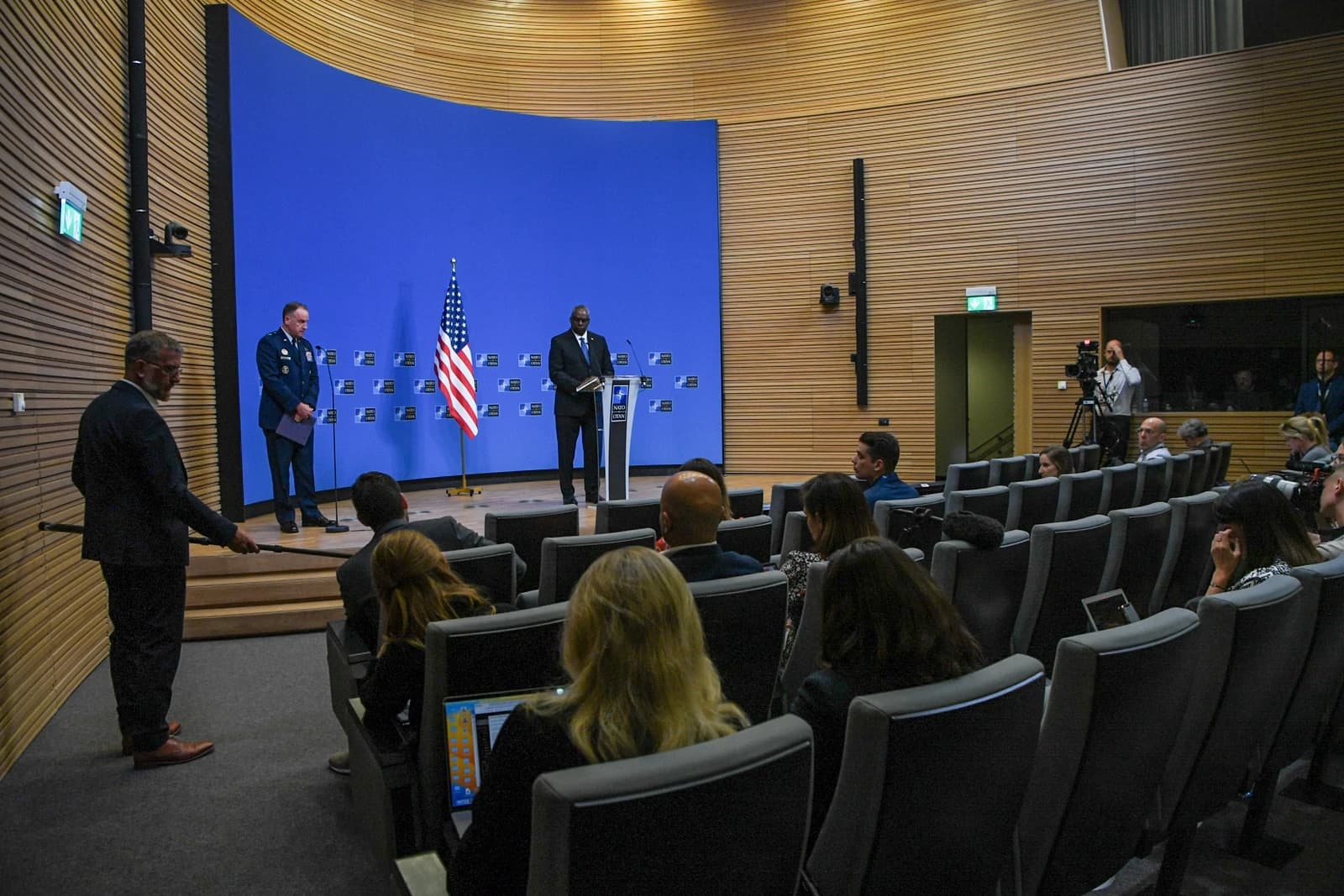
That warning, voiced by U.S. Permanent Representative Mike Waltz on Fox News, matters because it frames the war not as a frozen territorial dispute but as a question of strategic depth. Waltz said there is still a “small strip” of Donbass not occupied by Russian forces and argued that once it is taken, “the road to Kyiv” would be open. He added that Washington’s job is to convince Kyiv that Russian forces would not move on the capital — a claim that underscores how fragile any cease-fire logic remains.
Sentiment Indicators
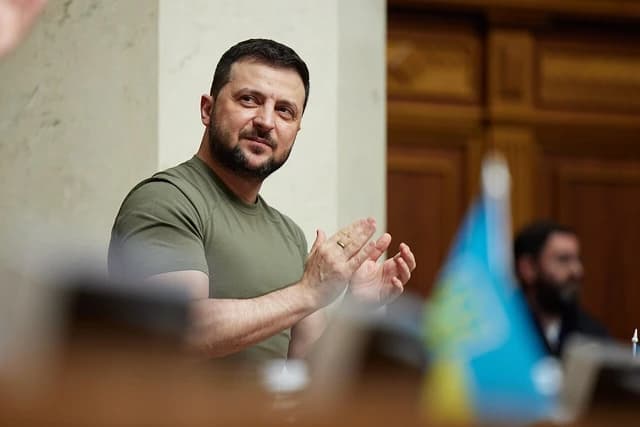
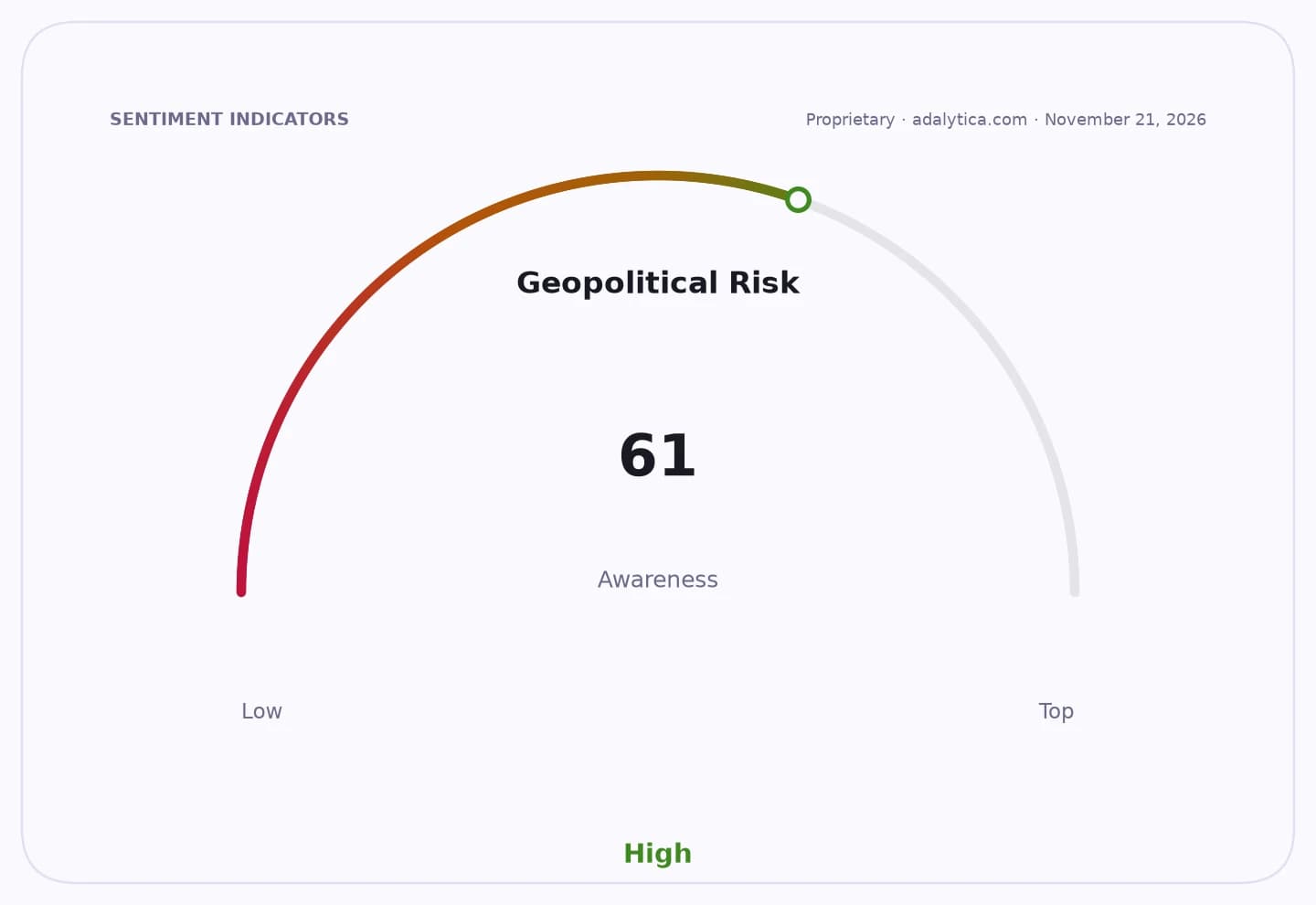
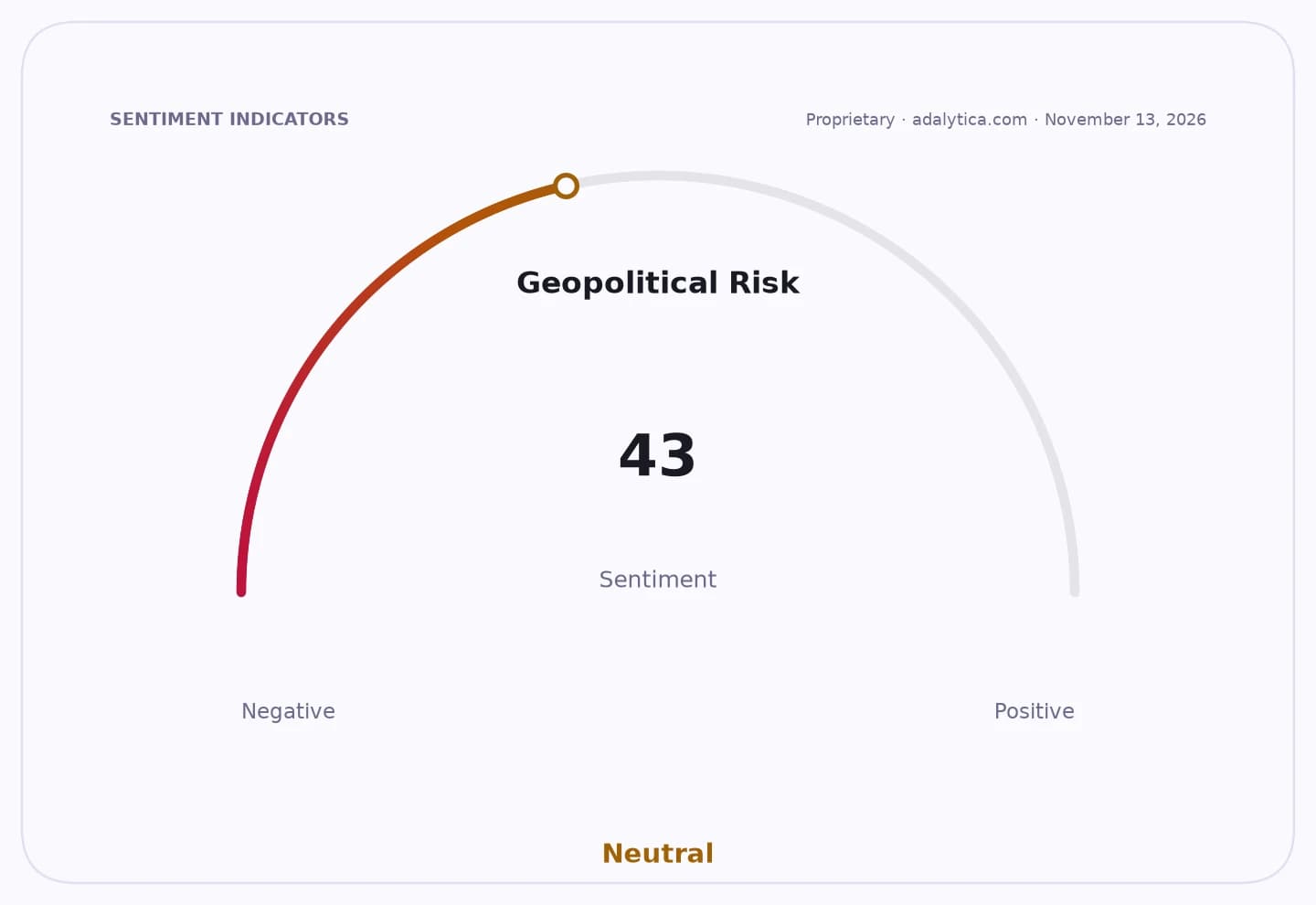
For investors, the significance is less about the immediate front line than about the durability of geopolitical risk premium. Any signal that talks are inching forward can ease pressure on European assets and energy markets, but a breakdown over land swaps or security guarantees would keep defense spending, sanctions risk and commodity volatility elevated. Global Stability Sentiment on Adalytica’s GEORISK gauge sits at 4.0, marked “Extreme Fear,” with awareness still neutral, a sign that markets remain highly sensitive to headlines even as broader attention fluctuates.
The conflict’s persistence continues to support defense names. Lockheed Martin, Northrop Grumman and RTX remain tied to the longer-run rearmament cycle in Europe and among NATO allies, even as their shares have been volatile. Lockheed ended last week at $565.50, below its 50-day moving average of $558.56 but only slightly above the 200-day average, suggesting the market is still digesting whether wartime demand will translate into sustained earnings momentum. Northrop closed at $534.31, above its 50-day average but below its 200-day, while RTX finished at $190.17, with momentum indicators pointing to softer near-term trading after a strong run earlier in the year.
Geopolitical Risk — 30-day sentimentadalytica.com
Explore this data interactively — full history, time series and cross-market comparisons.
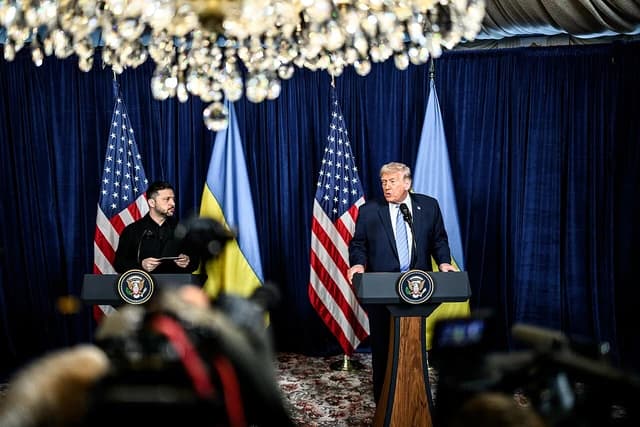
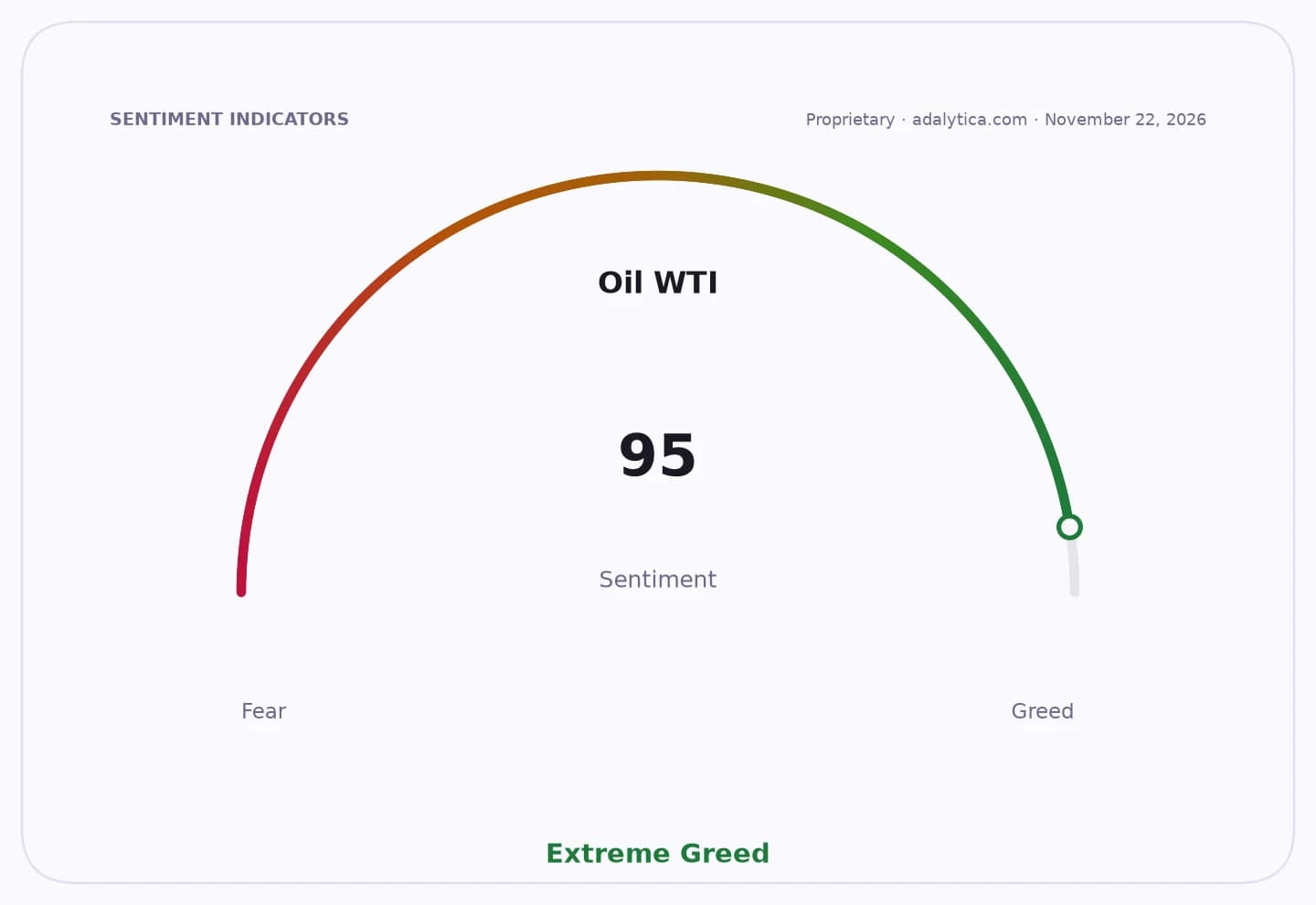
The broader economic channel runs through energy and inflation expectations. WTI trade signals on Adalytica’s USO gauge remain in “Extreme Greed,” reflecting how quickly crude can reprice on signs of supply disruption, sanctions escalation or a stalled diplomatic track. That matters because any renewed fighting around Ukraine’s core transport and power infrastructure could revive headline inflation pressure just as policymakers are trying to preserve disinflation.
For now, the market narrative is straightforward: diplomacy is back, but so is the strategic logic of the battlefield. Until Moscow, Kyiv and Washington converge on what territory can be traded for security, investors are likely to keep treating Ukraine as a live geopolitical risk rather than a postwar reconstruction story.
| Entity | Gains | Losses |
|---|---|---|
| Ukraine | ▲Negotiating leverage | ▼Security risk from concessions |
| Russia | ▲Territorial momentum | ▼Diplomatic pressure |
| U.S. diplomats | ▲Talks headline value | ▼Credibility if talks fail |
| Defense contractors | ▲Higher security spending | ▼Peace-driven budget moderation |