Iranian Kurdish opposition groups based in northern Iraq are rejecting any deal that would require them to surrender to Tehran, complicating Baghdad’s effort to broker a settlement that could reduce cross-border attacks and ease pressure on Iraq’s Kurdistan Region.
Iraq Talks With Iranian Kurdish Groups Stall Over Amnesty
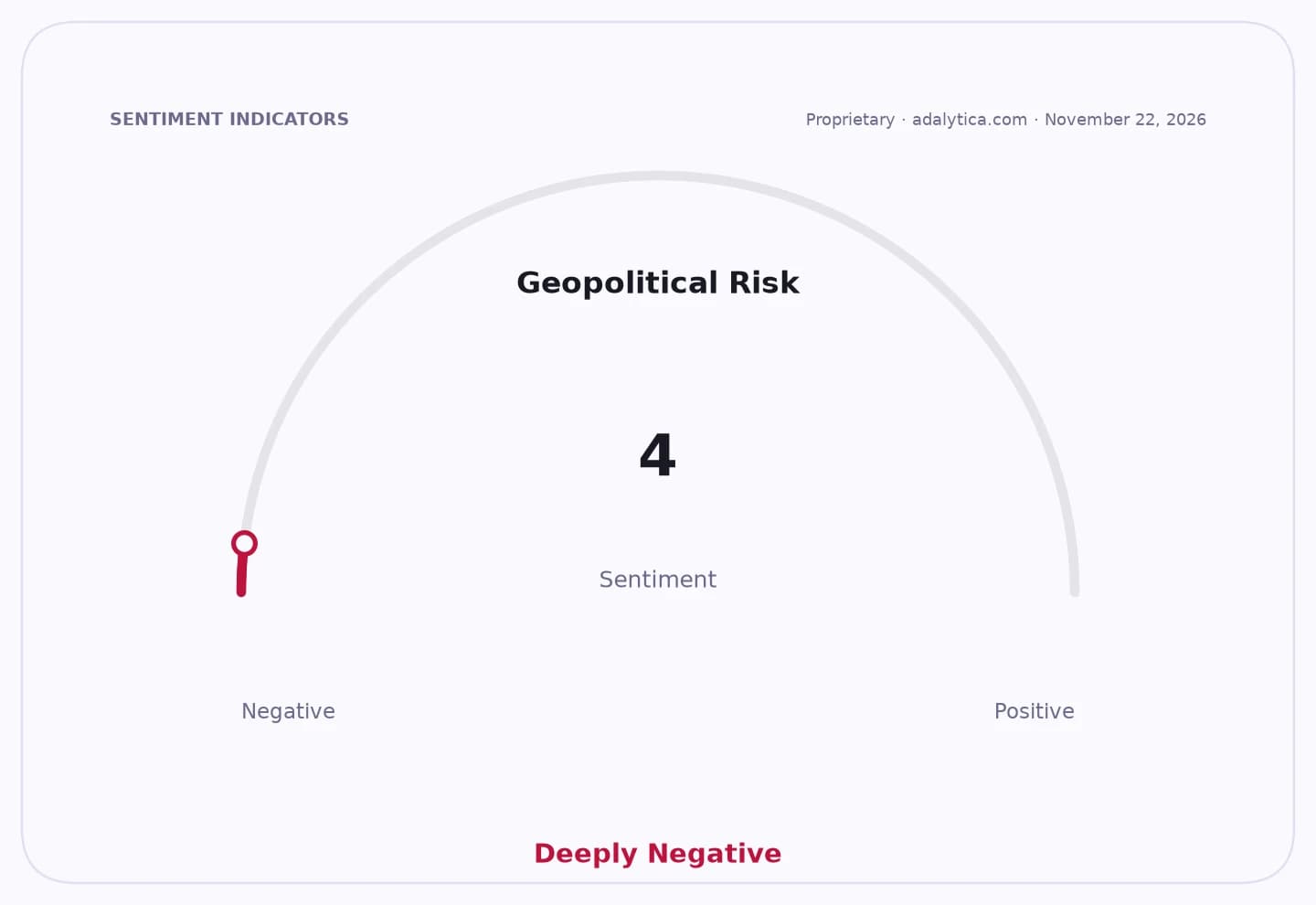
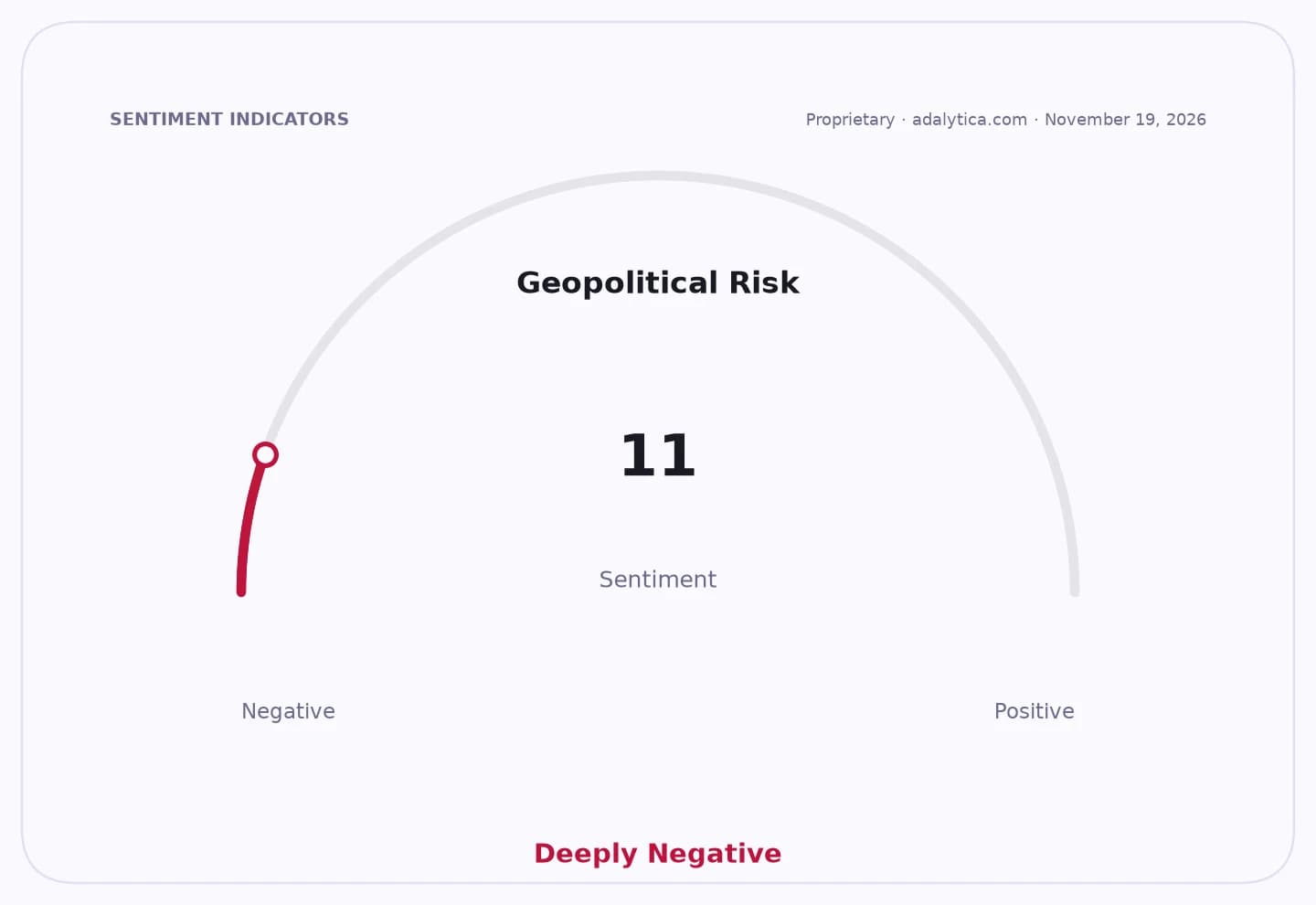
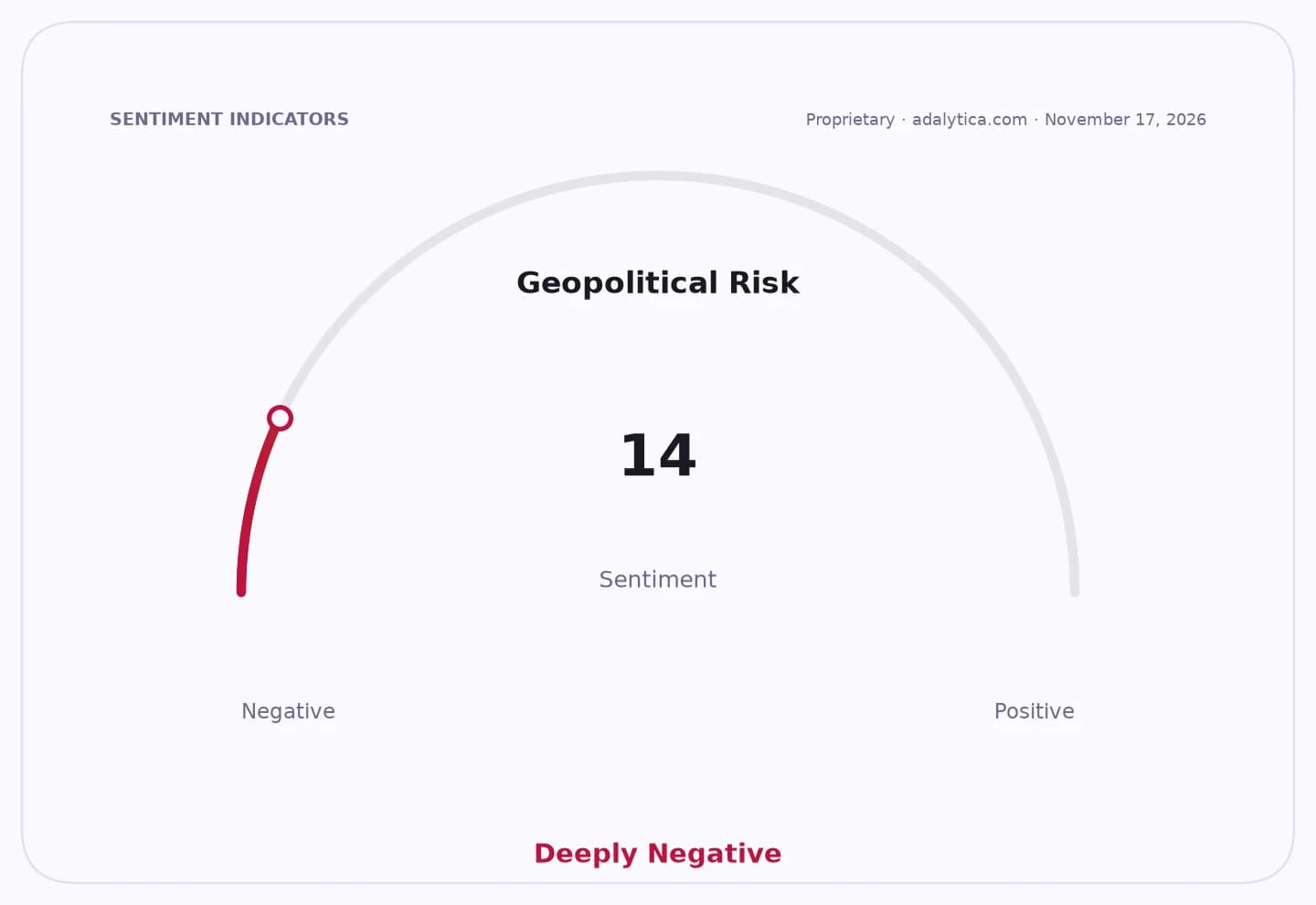
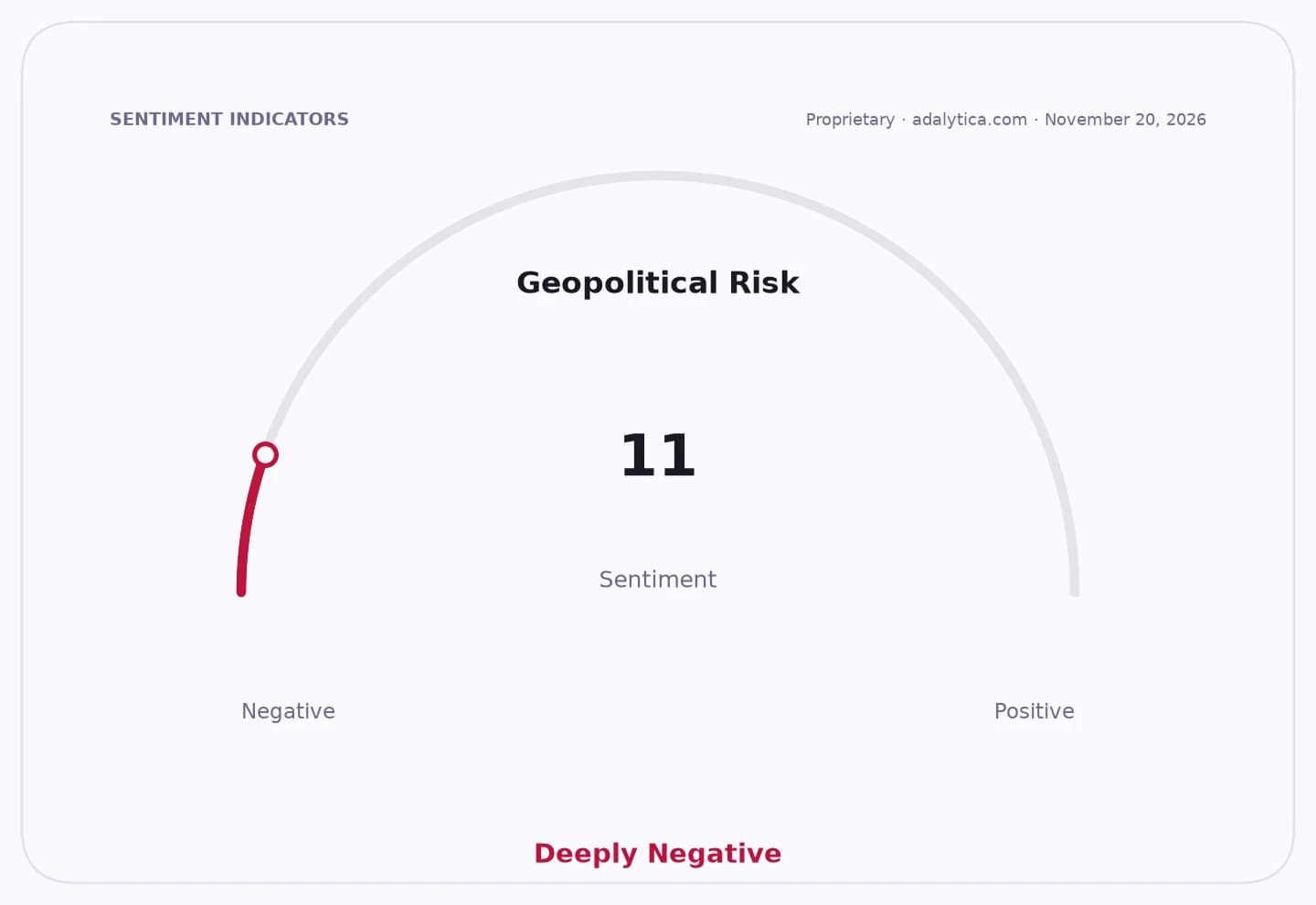
Geopolitical Risk
The standoff matters because the groups’ presence in Iraq has long been a flashpoint between Baghdad and Tehran, with Iran repeatedly accusing them of threatening its security and launching missiles and drones at their positions. Any amnesty arrangement would only work if the militants trust Tehran’s guarantees, and that trust is absent for now.
Sentiment Indicators
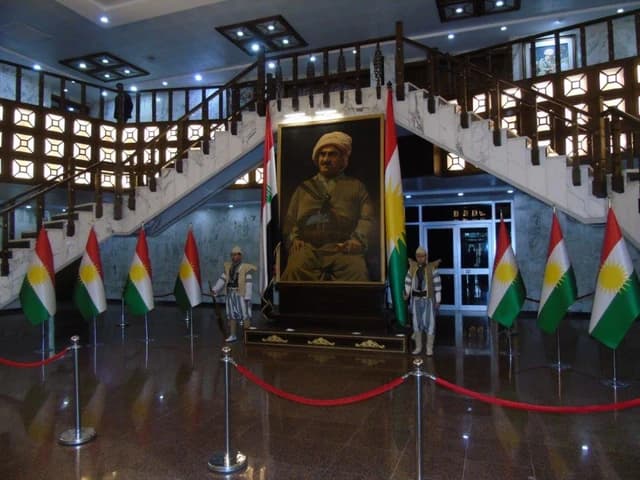
Amanj Zibaee, a central committee member and Erbil representative of the Kurdistan Democratic Party of Iran, said the group “categorically rejects” the idea of surrendering to Iranian authorities. Khalil Nadri, spokesman for the Kurdistan Freedom Party, also dismissed amnesty, saying the group would not accept returning under Iranian rule and would fight inside Iran instead.
The comments came after Iraqi Foreign Minister Fuad Hussein said Baghdad, the Kurdistan Regional Government and Iran were discussing several options, including possible amnesty for members willing to return if they received credible safety guarantees. Iraqi officials have said negotiations that began in October are at an advanced stage, but no final agreement has been announced.
The issue carries wider regional weight because Iraq is trying to prevent its territory from being used to attack neighboring states while also containing Iranian pressure on Erbil. Tehran has stepped up strikes on Kurdish opposition camps in northern Iraq over the years, and Komala said on Monday that two missiles hit the entrance to one of its bases in the Balisan Valley, though it reported no casualties.
For investors, the immediate market impact is indirect but real: any escalation between Iran and armed groups in Iraq can feed into broader Middle East risk premia, support crude prices and keep pressure on transport, energy and defense-related assets. The latest dispute also reinforces how fragile de-escalation efforts remain as Iran expands the scope of its regional confrontations.
The next catalyst is whether Baghdad and Erbil formalize any proposal and whether Tehran moderates its campaign against the groups’ bases, a combination that could either open the door to a controlled withdrawal or prolong a low-grade conflict with periodic strikes.
| Entity | Gains | Losses |
|---|---|---|
| Baghdad / KRG | ▲Lower border tension | ▼Diplomatic pressure from Tehran |
| Iran | ▲Leverage over armed opposition | ▼Credibility if guarantees are distrusted |
| Kurdish opposition groups | ▲Room to resist surrender | ▼Risk of continued strikes |
| Oil bulls / defense names | ▲Higher geopolitical premium | ▼De-escalation-driven pullback |