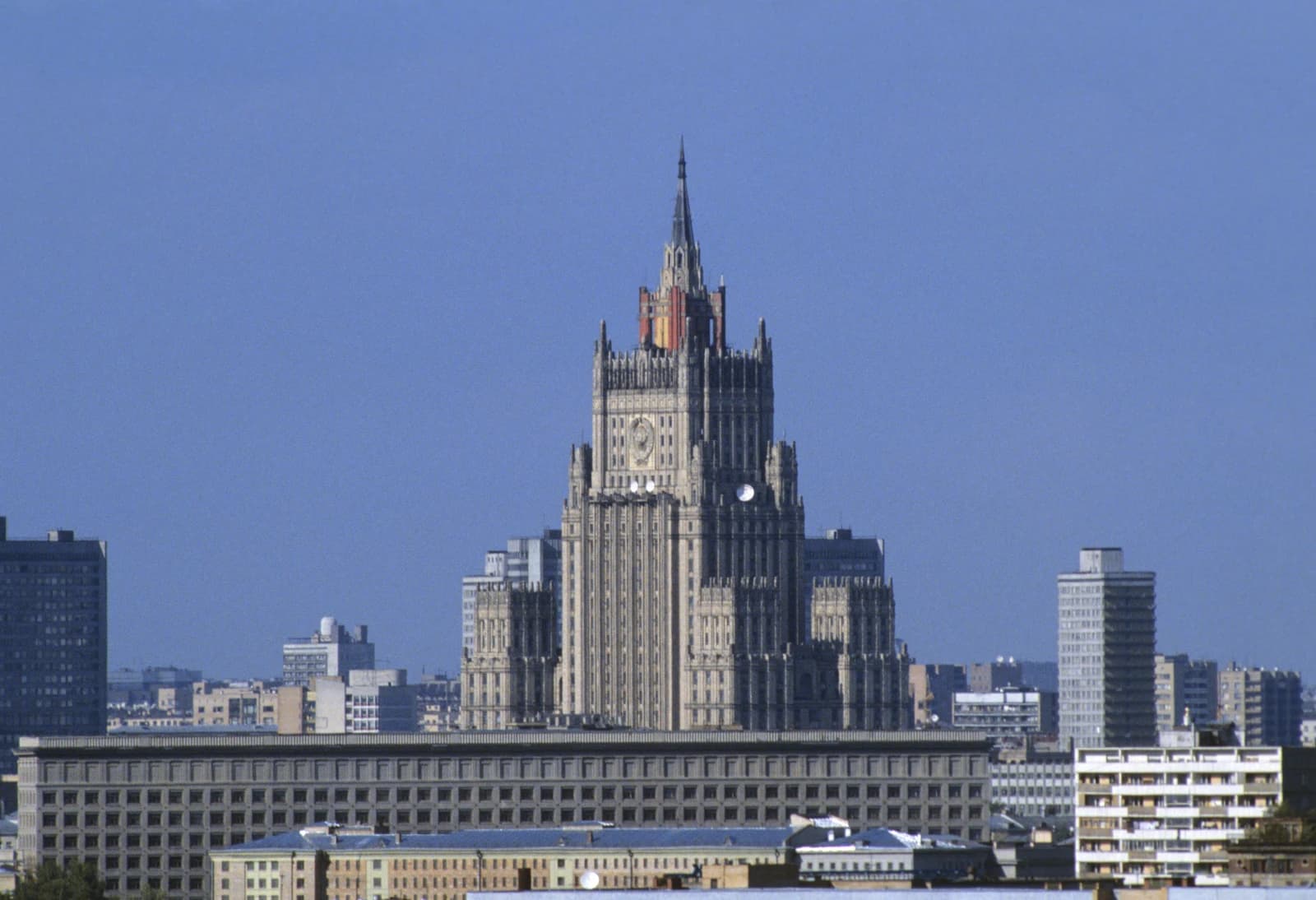
Donald Trump said he is in no rush to decide on Iran, pushing any major move into next year and leaving markets to price in a longer period of geopolitical uncertainty in the Middle East.
Trump Delays Iran Decision, Keeps Oil Risk Premium
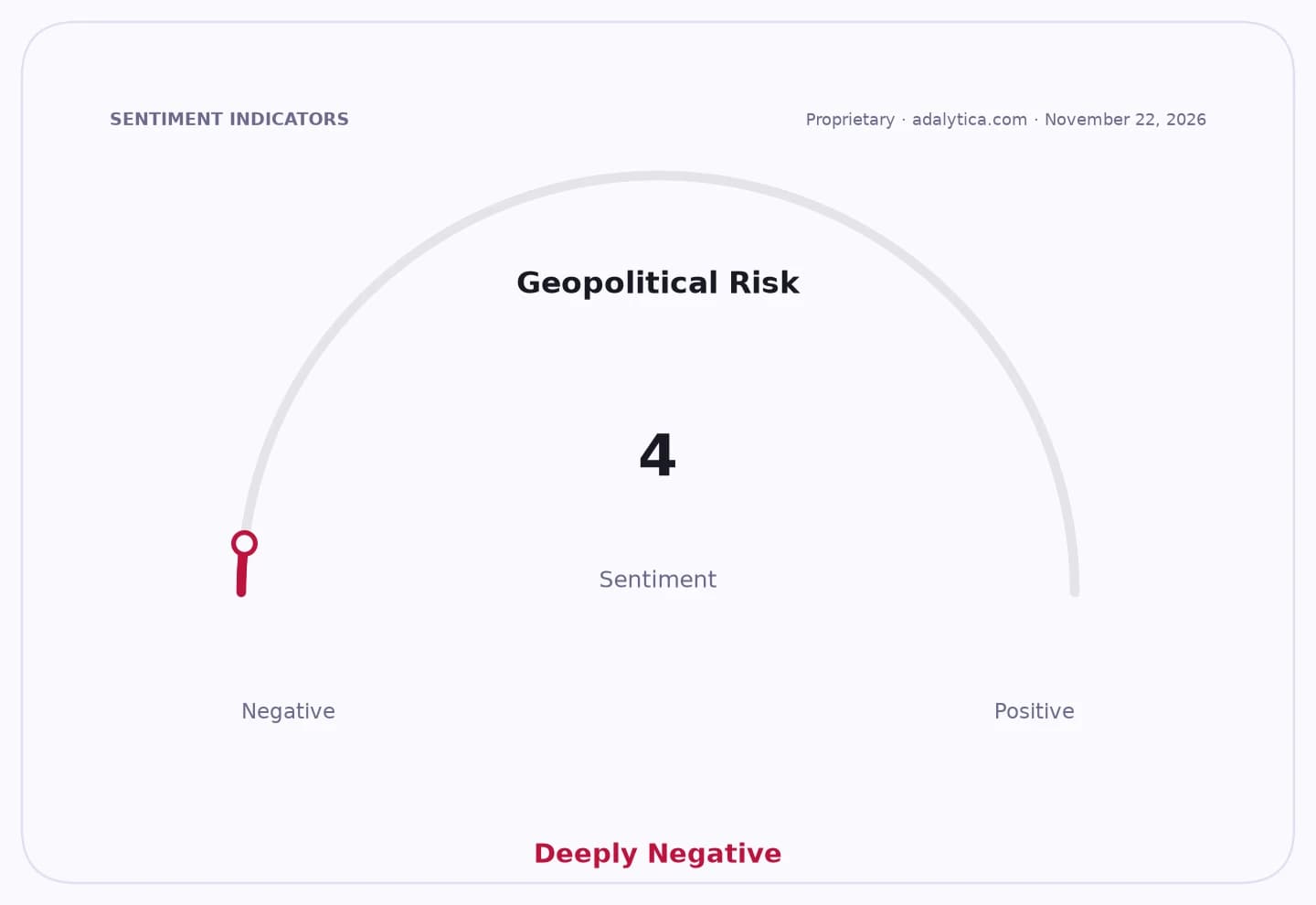
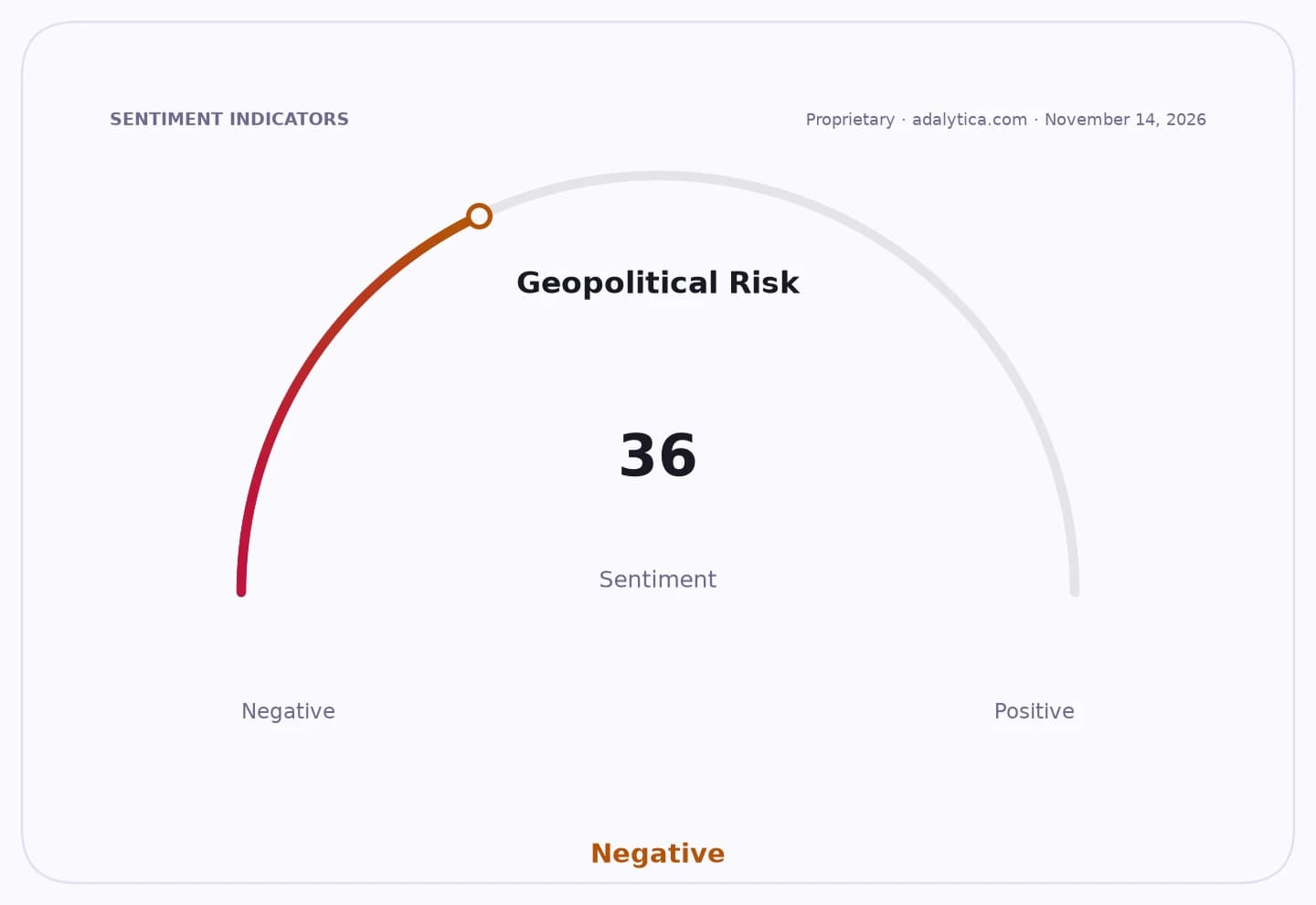
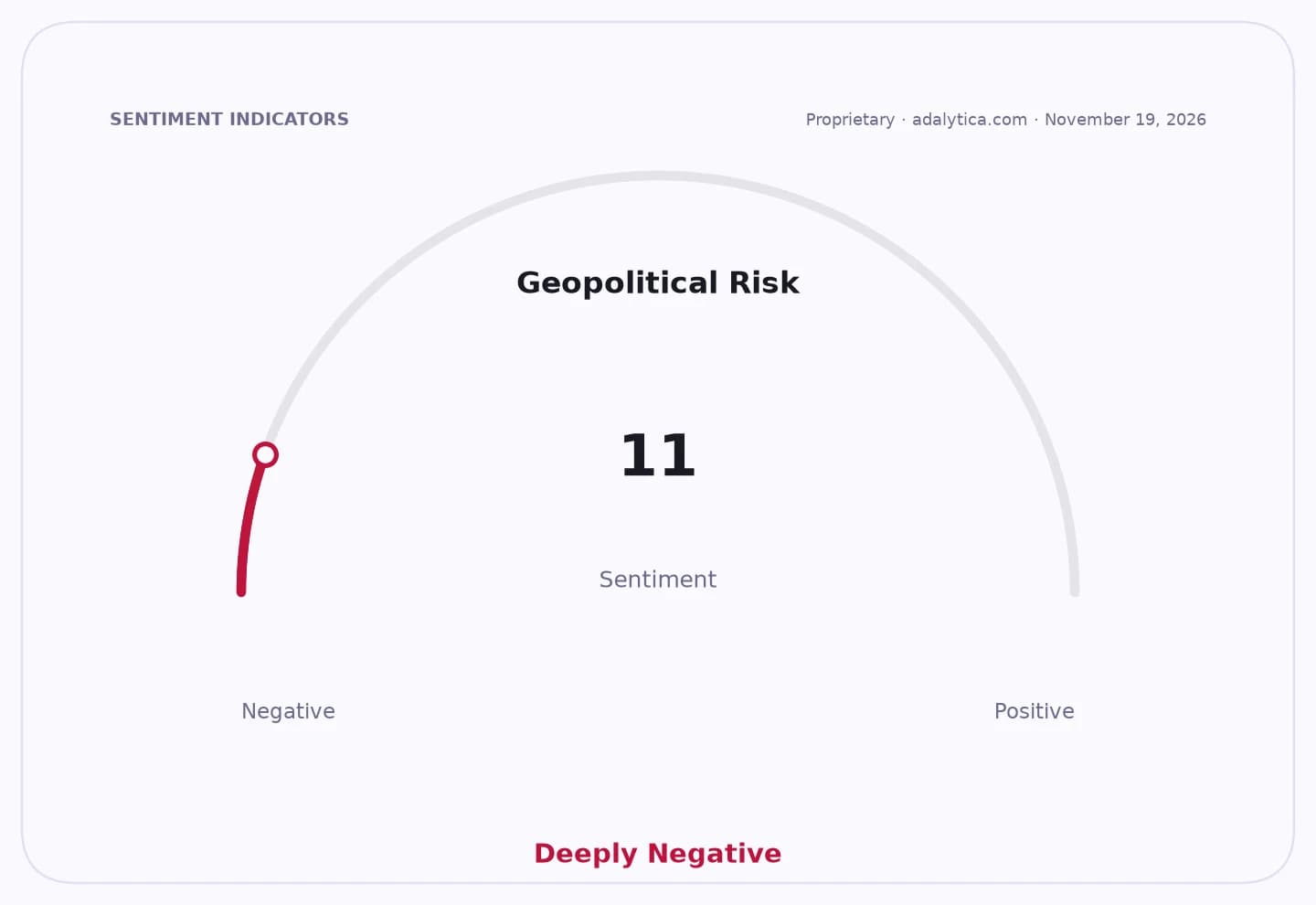
Geopolitical Risk
The president’s remarks matter because they extend the timeline for a possible U.S. policy shift at a moment when tensions with Tehran are already elevated, Israeli officials are pressing for tougher action and Washington has been reinforcing its military posture in the region. For investors, that combination keeps a risk premium embedded in crude oil, supports defense shares and leaves broader global risk sentiment fragile.
Sentiment Indicators
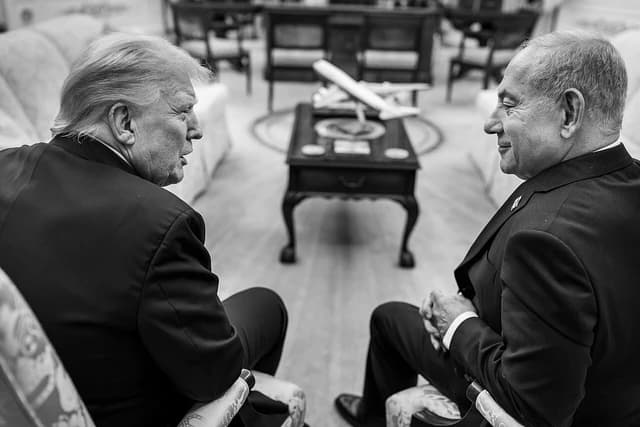
Trump said in a telephone interview with Israel’s Channel 12 that he wanted to wait until after the start of the new year before making decisions on Iran. The comments came as top U.S. and Israeli security officials have been holding meetings, including talks involving CENTCOM chief Admiral Brad Cooper and Israeli intelligence officials, against a backdrop of fresh Israeli claims that Iran is accelerating work on chemical and biological weapons.
The lack of urgency is economically significant because it suggests Washington is still trying to preserve options rather than lock itself into a path of immediate escalation. That may temper the most extreme war-risk scenarios for now, but it does little to remove the underlying market concern: a miscalculation in the Gulf could still disrupt oil flows, lift shipping costs and feed back into inflation expectations.
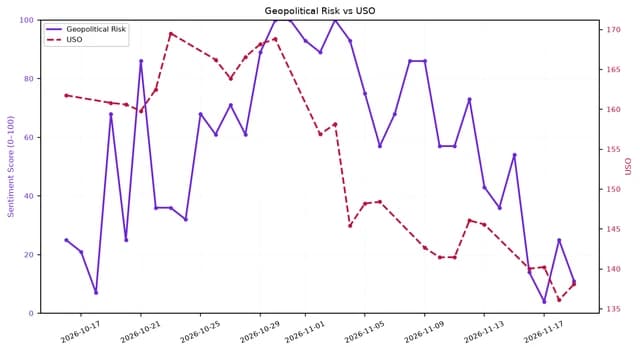
Crude has already been trading as if investors are reluctant to rule out renewed supply disruption. U.S. benchmark oil was around $89.53 a barrel in the latest data point, up sharply from levels seen earlier in the year, reflecting how quickly Middle East tensions can reprice energy. The recent volatility has kept energy equities bid, while any further deterioration in the region would likely favor producers and oilfield services firms over transport and industrial users.
The defense complex also stands to benefit from a prolonged standoff. Lockheed Martin, which makes Patriot and THAAD missile systems, remains central to any U.S. or allied missile-defense response, and its stock has retained a premium relative to the broader market even after recent pullbacks. Northrop Grumman and RTX are similarly exposed to any rise in procurement tied to regional air and missile defense. For these companies, the question is less whether geopolitics supports demand than how quickly governments move from planning to funded orders.
Still, a delay is not the same as de-escalation. Trump’s posture leaves room for a sudden reversal, especially with pressure from Israeli Prime Minister Benjamin Netanyahu and competing intelligence claims circulating in Washington and Jerusalem. That uncertainty is exactly what investors dislike: it can keep energy and defense assets supported, but it also raises the odds of abrupt market moves if policy changes without warning.
The broader read-through is that Middle East risk remains a live macro variable rather than a headline event that has already passed. If Trump continues to hold fire into next year, markets may get some temporary relief from the prospect of immediate conflict, but they are unlikely to unwind the premium on oil, gold and defense until there is clearer evidence that the standoff is easing.
| Entity | Gains | Losses |
|---|---|---|
| Oil producers | ▲Higher geopolitical risk premium | ▼Demand shock if escalation hits growth |
| Defense contractors | ▲Missile-defense demand | ▼Policy uncertainty on contract timing |
| Consumers/importers | ▲Temporary relief if no strike | ▼Higher fuel and shipping costs |
| Iran | ▲More time to maneuver diplomatically | ▼Continued military pressure and isolation |