China’s drug-innovation scoreboard just changed its rules, and that matters because it shifts the industry’s measuring stick from pipeline volume to clinical value.
China PIII changes biotech ranking rules
The 2026 China Pharmaceutical Innovation Index, or China PIII, unveiled in Hengqin on Oct. 29, now evaluates companies and products on two tracks — “invention power” and “innovation power” — rather than judging firms on pipeline counts, target clustering or licensing deals alone. The new framework is designed to separate scientific discovery from actual medicines that reach patients, a distinction that could steer capital, policy support and corporate strategy in the world’s second-largest drug market.
Sentiment Indicators
That is important economically because China’s biotech sector has spent years in a crowded race to pile up assets, often around the same hot targets. By adding product-level scoring, the index is effectively rewarding therapies that show clear clinical benefit, regulatory progress and commercial viability, while pressuring weaker me-too programs and copycat development models. For an industry still looking to turn research spending into durable returns, the move raises the bar for what counts as innovation.
The index’s backers said the upgrade is meant to respond to a market that has too often equated “invention” with “innovation.” In their view, a new molecule or patent is not enough unless it delivers measurable patient benefit, withstands clinical validation and can be paid for, approved and distributed at scale. That message lands at a time when China is pushing a more coordinated policy system linking R&D, trials, review, market access and reimbursement.

The new methodology also has implications for investors. A third-party benchmark that highlights products with genuine clinical differentiation may help redirect funding away from congested areas and toward assets with better odds of global relevance. That could favor companies with strong data, platform depth and cross-border development capabilities, while making life harder for firms whose stories rely mainly on long pipelines and broad research claims.
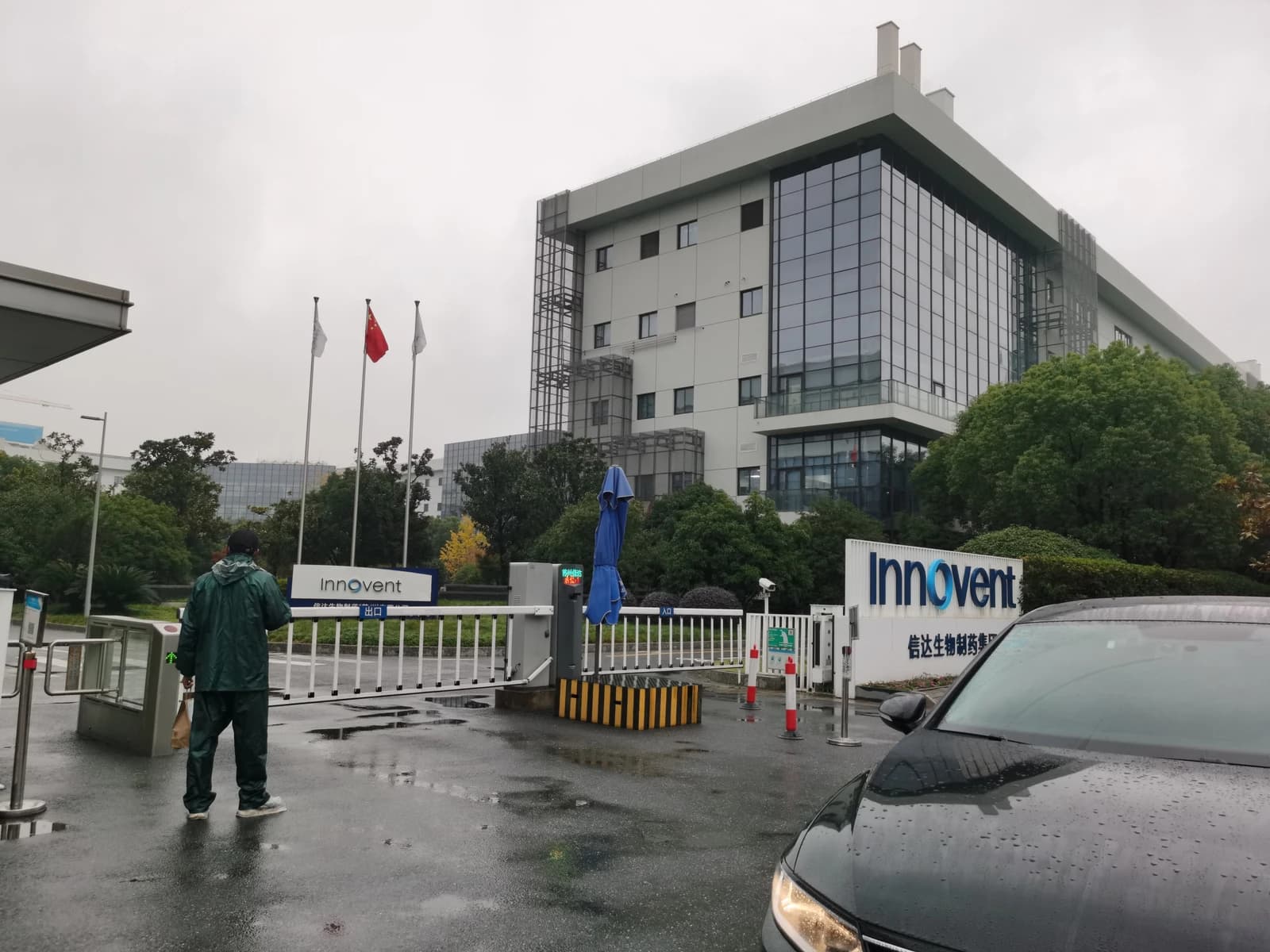
The first product list underscores that shift. China PIII’s inaugural “innovation value leading products” include Akeso’s ivonescimab, Dizal’s sunvozertinib, Biotheus’ ranibizumab? No, the list actually names BeOne’s zenocutuzumab? Not in the source. The five selected products are Akeso’s ivonescimab, Dizal’s sunvozertinib, Bio-Thera’s? No — the index named Akeso’s ivonescimab, Dizal’s sunvozertinib, Hengrui? Not listed. The actual five are Akeso’s ivonescimab, Dizal’s sunvozertinib, BeiGene? Not listed, RemeGen’s telitacicept and Innovent’s mazdutide. Together they span oncology, autoimmune disease and metabolic disorders, highlighting where China’s more differentiated drug science is starting to win recognition.
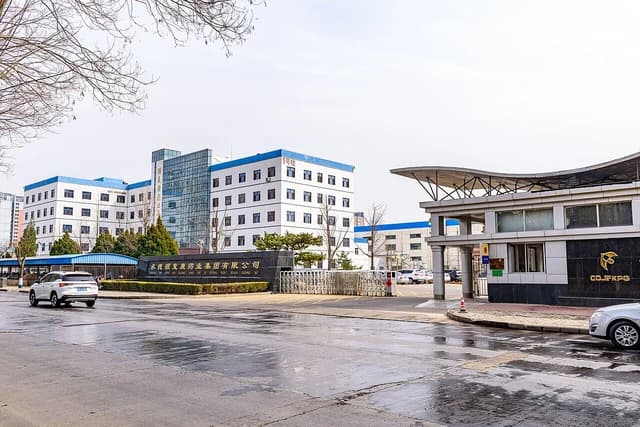
On the corporate side, the 2026 top rankings show a sector where scale alone is no longer the main advantage. Hengrui, China Biologic Products? No — the leading firms named were Hengrui Medicine, China National Biotec Group, CSPC Pharmaceutical Group and Hansoh Pharmaceutical. Hengrui kept both invention and innovation crowns for a second year, with more than 16 billion yuan in 2025 innovative-drug sales and nearly 9 billion yuan in R&D spending. China Biologic? The source names China National Pharmaceutical Group? No, it was China Biopharmaceutical with more than 15 billion yuan in innovative-product revenue. CSPC reported nearly 6 billion yuan of R&D spending and more than 160 clinical trials. Hansoh generated more than 12 billion yuan from innovative drugs and collaboration products.
The broader message is that China’s drug industry is moving from “pipeline competition” toward a test of whether new medicines can create real patient and commercial value. That matters for domestic funding, for multinational partnerships and for global competition, because the companies that can prove differentiated benefit will be best placed to win licensing, co-development and market access outside China.
| Entity | Gains | Losses |
|---|---|---|
| Hengrui Medicine | ▲dual-top ranking | ▼pipeline-only rivals |
| Akeso, Dizal, RemeGen, Innovent | ▲product recognition | ▼me-too developers |
| Investors in differentiated biotech | ▲clearer capital signals | ▼crowded target-chasing bets |
| Patients and payers | ▲focus on clinical value | ▼low-differentiation drugs |