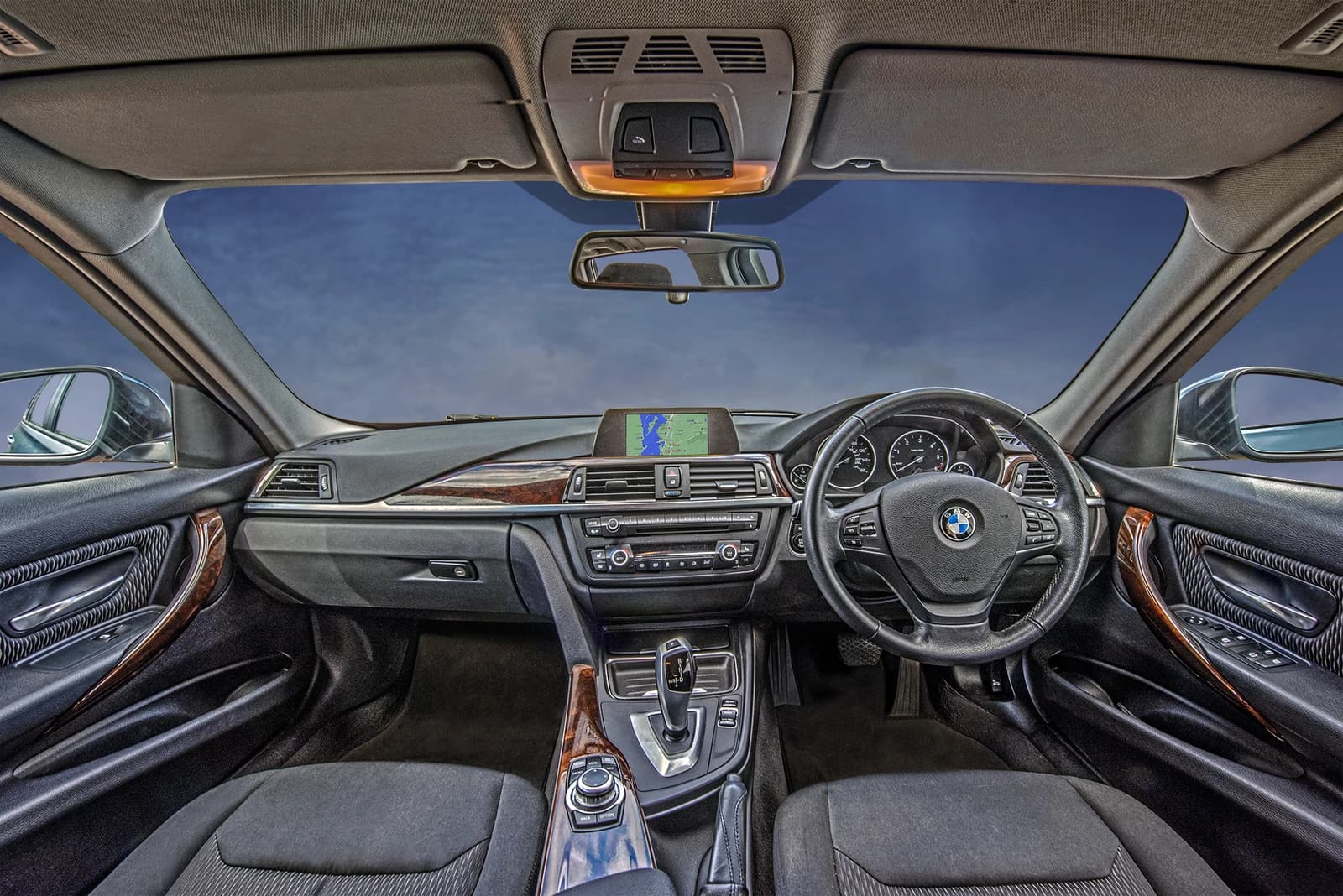
BMW has begun production of the next-generation 3 Series sedan in Dingolfing, a move that matters because the model remains one of the company’s most important volume and profit drivers as it works to balance combustion-engine demand with a longer-term electric transition.
BMW 3 Series Production Starts in Dingolfing
The German automaker is keeping the 3 Series within its existing industrial footprint rather than moving it to the same site as the new i3 electric sedan, underscoring BMW’s decision to run parallel product strategies instead of forcing an immediate all-electric break with one of its signature nameplates. That approach helps protect supply flexibility and capital efficiency at a time when European carmakers are under pressure from softer demand, tighter margins and heavy investment needs tied to electrification.
Dingolfing is already one of BMW’s most important manufacturing hubs, with the 3 Series now joining the 4 Series and 5 Series on shared production lines designed to handle multiple drivetrains. That gives BMW room to adapt output as customer demand shifts between petrol, hybrid and electric models. The 3 Series sedan was last built in Dingolfing more than 20 years ago, so the return is also a signal that BMW is re-optimizing its European manufacturing network around its newest platform architecture.
The new combustion 3 Series follows the design language of BMW’s Neue Klasse generation, with a more sloped windshield, longer bonnet and the brand’s latest digital cockpit. But its powertrain lineup shows BMW is still leaning on hybrids to bridge the transition: initial versions use 48-volt mild-hybrid systems, while plug-in hybrids are due next year. The absence of diesel from the lineup is notable for a model line that has historically been a benchmark for European fleet buyers.
For investors, the key question is whether BMW can use the refreshed 3 Series to defend market share and preserve margins while the company spends more on electrification. BMW shares on the Frankfurt exchange have recently traded around 59.36 euros, below the 200-day moving average of 67.53 euros, even after recovering from an October low, suggesting the market remains cautious on the earnings outlook. The stock is above its 50-day average, which indicates some near-term stabilization, but momentum remains fragile.
The broader significance is that BMW is not abandoning its combustion core to fund the EV pivot; it is trying to extract as much value as possible from both. That should support near-term profitability if premium buyers keep accepting hybridized powertrains, but it also leaves BMW exposed if demand for combustion models weakens faster than expected or if EV competition forces a faster product reset.
The next catalyst will be whether the new 3 Series can help BMW sustain volumes in Europe and China while the company ramps its electric portfolio. If the model lands well, it could support the case that BMW’s staggered transition strategy is commercially safer than a full-speed pivot. If not, investors may increasingly focus on whether the company is carrying too much complexity across too many drivetrain types.
| Entity | Gains | Losses |
|---|---|---|
| BMW | ▲Production flexibility | ▼Transition complexity |
| Dingolfing plant | ▲Higher utilization | ▼Platform strain |
| Premium combustion buyers | ▲Fresh model choice | ▼Fewer diesel options |
| EV competitors | ▲Slower BMW shift | ▼Faster BMW hybrid defense |