India says its position on the Indus Waters Treaty remains unchanged, signaling that the suspension of the 1960 water-sharing pact with Pakistan will stay in place for now and keeping one of South Asia’s most sensitive bilateral disputes unresolved.
India keeps Indus Waters Treaty suspension
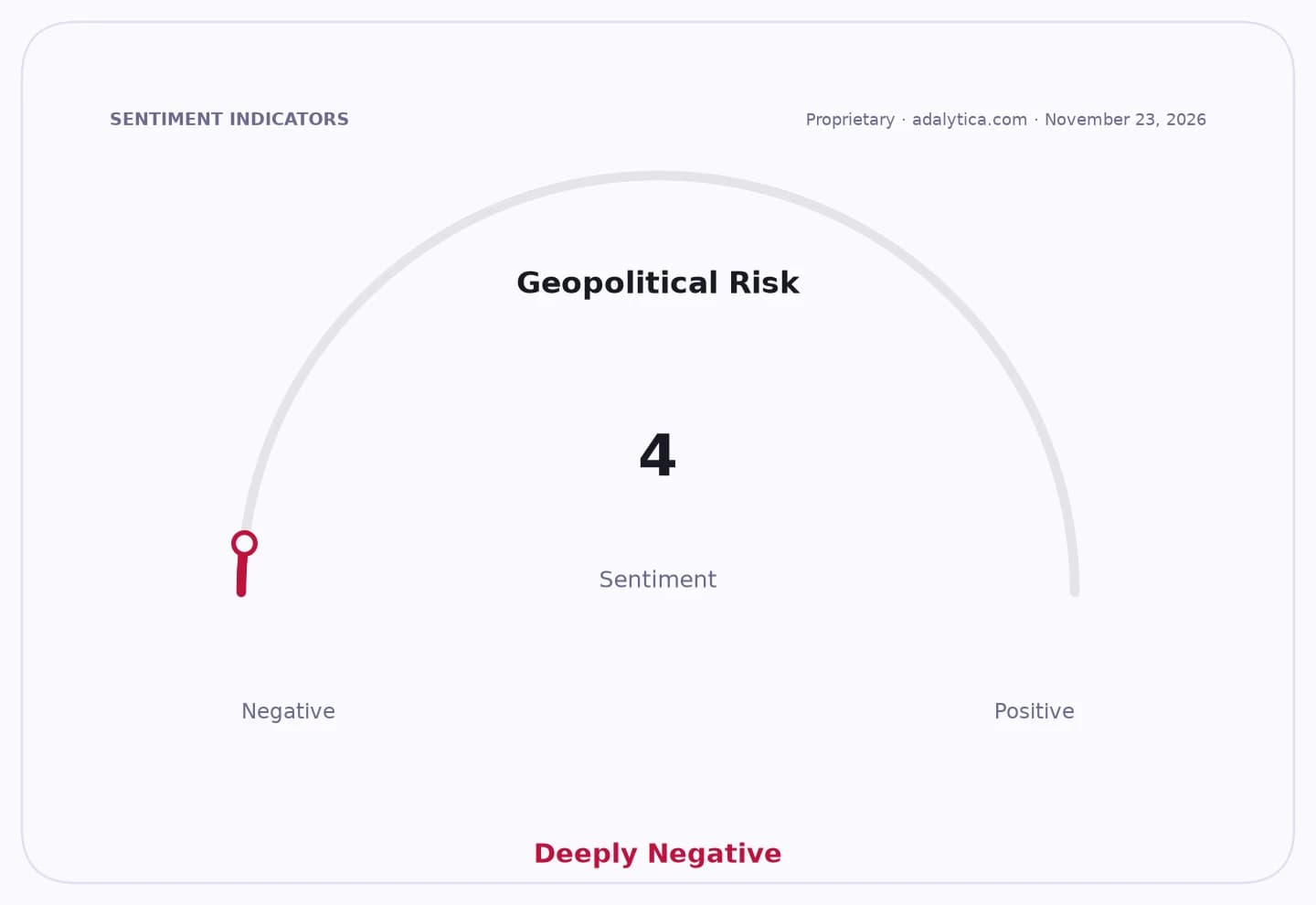
The Indian foreign ministry said there was “no change” in its stance after Pakistan’s water minister attended a Shanghai Cooperation Organisation cultural event in New Delhi and again pressed the case for discussion. For investors, the message is less about an immediate market move than about the persistence of geopolitical risk across the India-Pakistan border, where tensions can spill into trade, defense spending and regional sentiment.
The treaty has been in abeyance since India moved to freeze cooperation after the April 2024 attack in Pahalgam, which New Delhi blamed on Pakistan-linked militants. India has also pushed ahead with hydroelectric and other water projects on the Indus and its tributaries, a development Islamabad says breaches international law and cannot be done unilaterally.
That clash matters because the Indus system is central to agriculture, power generation and water security on both sides of the border. Any prolonged impasse raises the odds of diplomatic friction and legal contestation, while reinforcing India’s hard line on cross-border security issues.
Markets tied to the story are indirect but real: sustained tension tends to support a risk premium in the region, while any thaw could ease that overhang. India’s statement leaves the burden on Pakistan to secure a formal invitation for talks, making further progress dependent on whether New Delhi is willing to reopen a channel.
| Entity | Gains | Losses |
|---|---|---|
| India | ▲Strategic leverage | ▼Diplomatic flexibility |
| Pakistan | ▲None immediately | ▼Water-sharing certainty |
| Regional investors | ▲Clarity on India’s stance | ▼Lower geopolitical risk appetite |
| Indus basin users | ▲None now | ▼Treaty-based stability |