China’s support for Pakistan during Operation Sindoor has sharpened the market’s view of a more dangerous India security backdrop, with a US report warning that Beijing is helping create the kind of two-front pressure that could force New Delhi to spend more on defense, harden supply chains and keep geopolitical risk elevated across Asia.
India defense spending rises after China-Pakistan risk
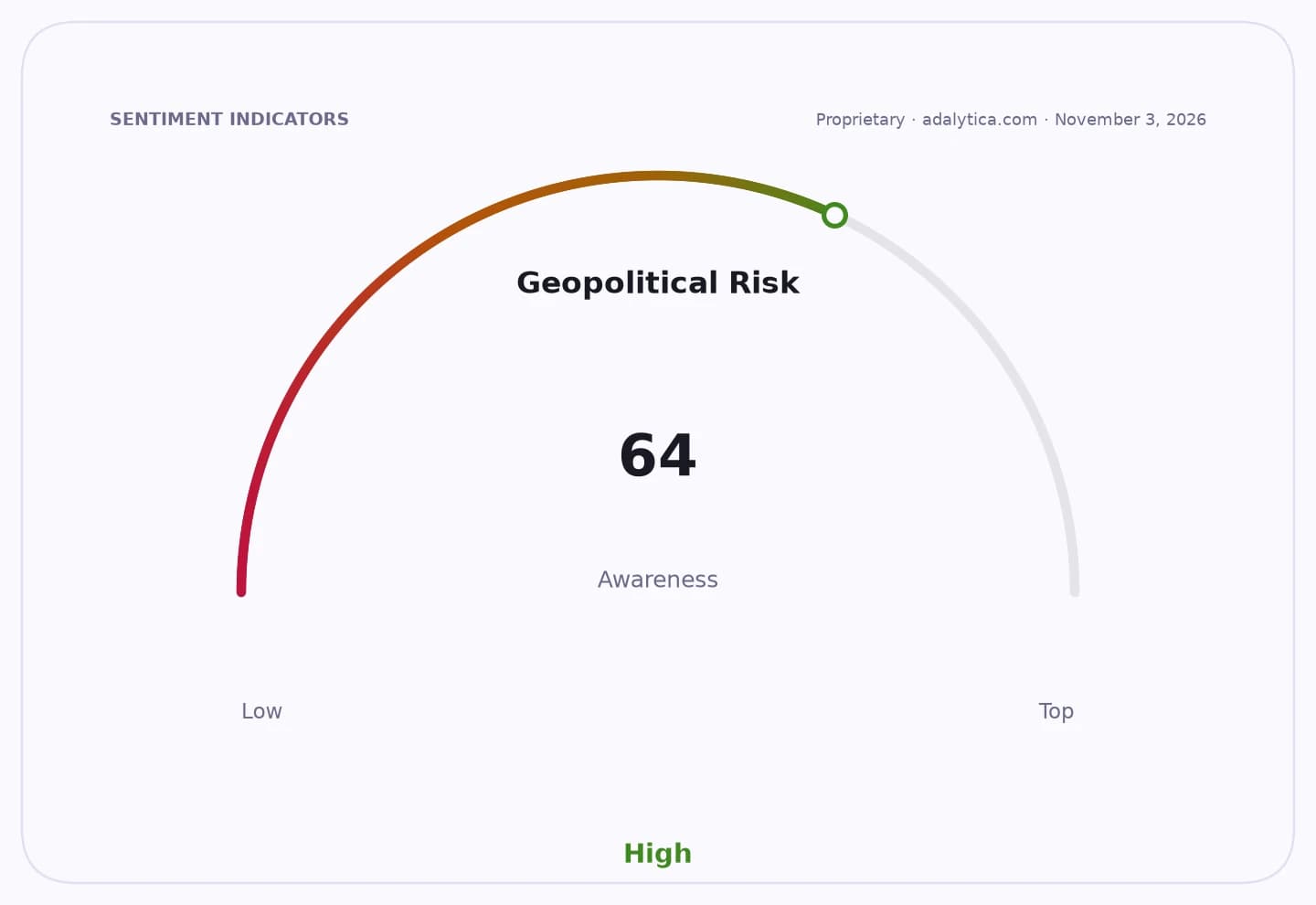
Geopolitical Risk
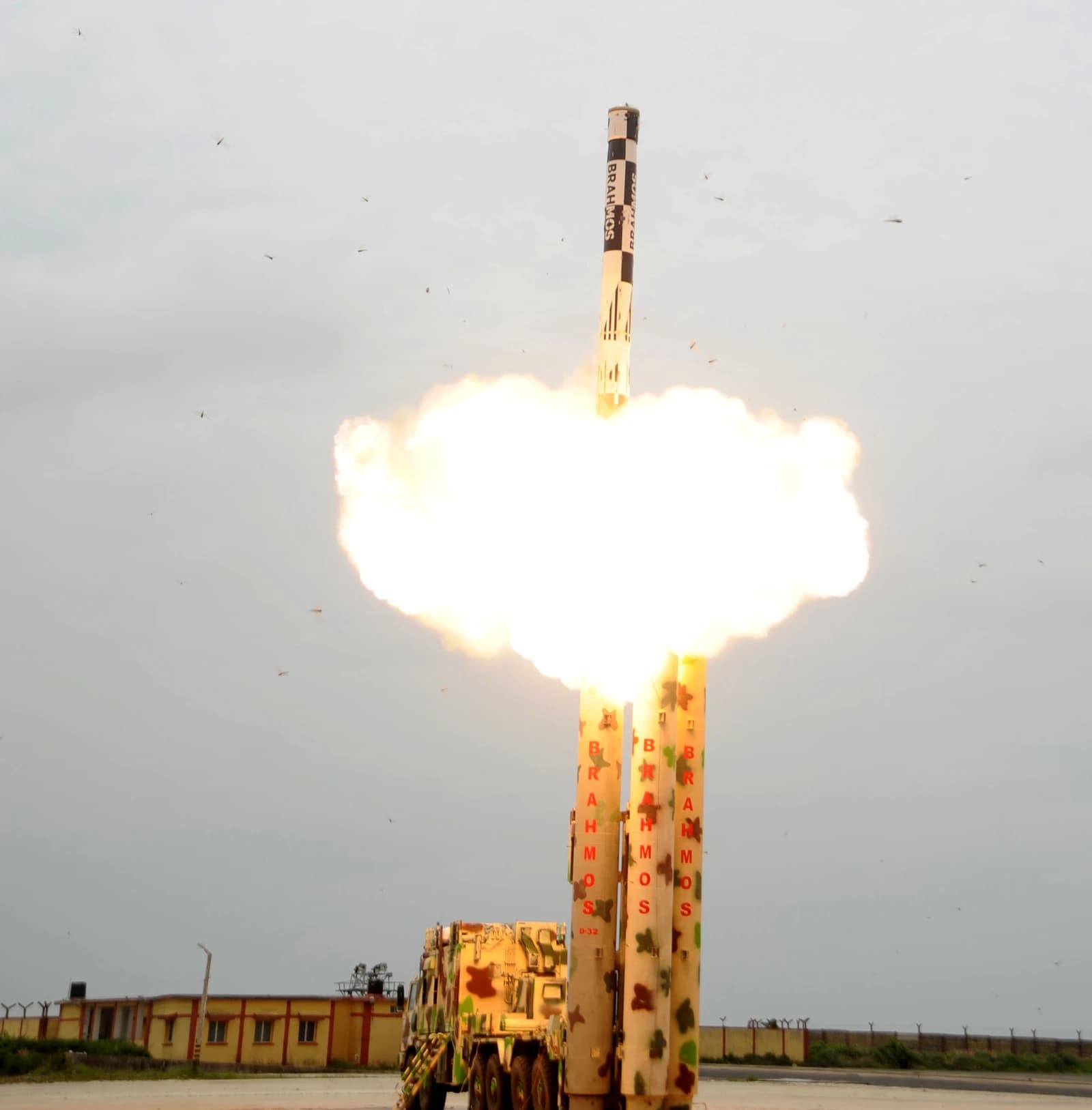
That matters economically because a more contested India is not just a military story — it is a capital-allocation story. If India must prepare for simultaneous pressure from China and Pakistan, the likely response is more spending on missiles, drones, surveillance, border infrastructure and domestic defense production, at the expense of other fiscal priorities. It also raises the cost of doing business in the region, from trade routes to energy logistics, and keeps investors paying up for countries and companies aligned with security-heavy capex.
Sentiment Indicators
The report’s central point is that Beijing sees India’s rise as a strategic challenge and is applying military, economic and maritime pressure to restrain it. That framing fits a broader pattern that markets have already been pricing unevenly: India remains one of the world’s most important growth stories, but its ascent is increasingly tied to the same geopolitical fault lines that define the US-China rivalry.
The 2020 Galwan Valley clash remains the key turning point because it broke the assumption that border tensions could be ring-fenced from the wider relationship. Operation Sindoor in May 2025 appears to have reinforced that lesson by showing how China can assist Pakistan without entering the fight directly. For India, the message is stark: any future conflict could involve not one adversary but two, even if one is operating from the shadows.
For investors, that creates a clear set of winners and losers. The biggest beneficiaries are defense contractors, domestic manufacturers tied to indigenization, satellite and surveillance firms, and infrastructure suppliers serving border and logistics buildouts. India’s broader equity market can also benefit from a long-cycle security premium, because sustained defense procurement tends to support industrial order books and government-led capex.
By contrast, sectors exposed to regional instability — airlines, cross-border trade, shipping routes and companies dependent on frictionless China-India economic normalization — face a higher risk discount. Any improvement in India-China ties can be fragile if the border dispute remains unresolved, and the report suggests mistrust is still the baseline rather than the exception.
The market already has some of this geopolitical anxiety in view. China-focused ETFs have been soft, with the FXI tracking Chinese equities trading near 31.23 after sliding below both its 50-day and 200-day moving averages, while India’s INDA has been far stronger at 52.90 and remains well above both moving averages. That divergence underscores the same theme: investors are willing to reward India’s structural growth, but they are also demanding a premium for China-linked risk.
Adalytica’s US-China relations gauge is flashing Extreme Greed, while global stability is pinned in Extreme Fear, a combination that fits a world where geopolitical stress is no longer a tail risk but a recurring market driver. In that environment, the trade is not to ignore South Asia risk — it is to position for it.
My view: the market underestimates how durable India’s defense and security spending cycle could become if China keeps using Pakistan as a pressure point. The most attractive way to play that thesis is through India-linked defense, industrial and infrastructure names that benefit from sustained militarization of the border environment, while staying cautious on sectors that need a calmer regional backdrop to rerate.
| Entity | Gains | Losses |
|---|---|---|
| India defense contractors | ▲Bigger procurement cycle | ▼Higher scrutiny and execution risk |
| Domestic industrial suppliers | ▲Border infrastructure orders | ▼Margin pressure from defense demand cycles |
| China-Pakistan bloc | ▲Strategic leverage | ▼Deepening regional mistrust |
| Cross-border trade and travel sectors | ▲Nothing material | ▼Higher geopolitical risk premium |