BMW is signaling that its next M3 will go fully electric, and the headline-grabbing specs show why that matters for the premium EV market: four motors, up to 625 kW, or 850 horsepower, 1,200 Nm of torque and 0 to 100 km/h in under three seconds.
BMW M3 Electric Prototype: 625 kW, 800V Charging
For BMW, the concept is not just about speed. It is a bid to prove that battery-electric cars can match the emotion, power delivery and track capability that define the M division, while also meeting the efficiency demands of an increasingly crowded luxury EV segment.
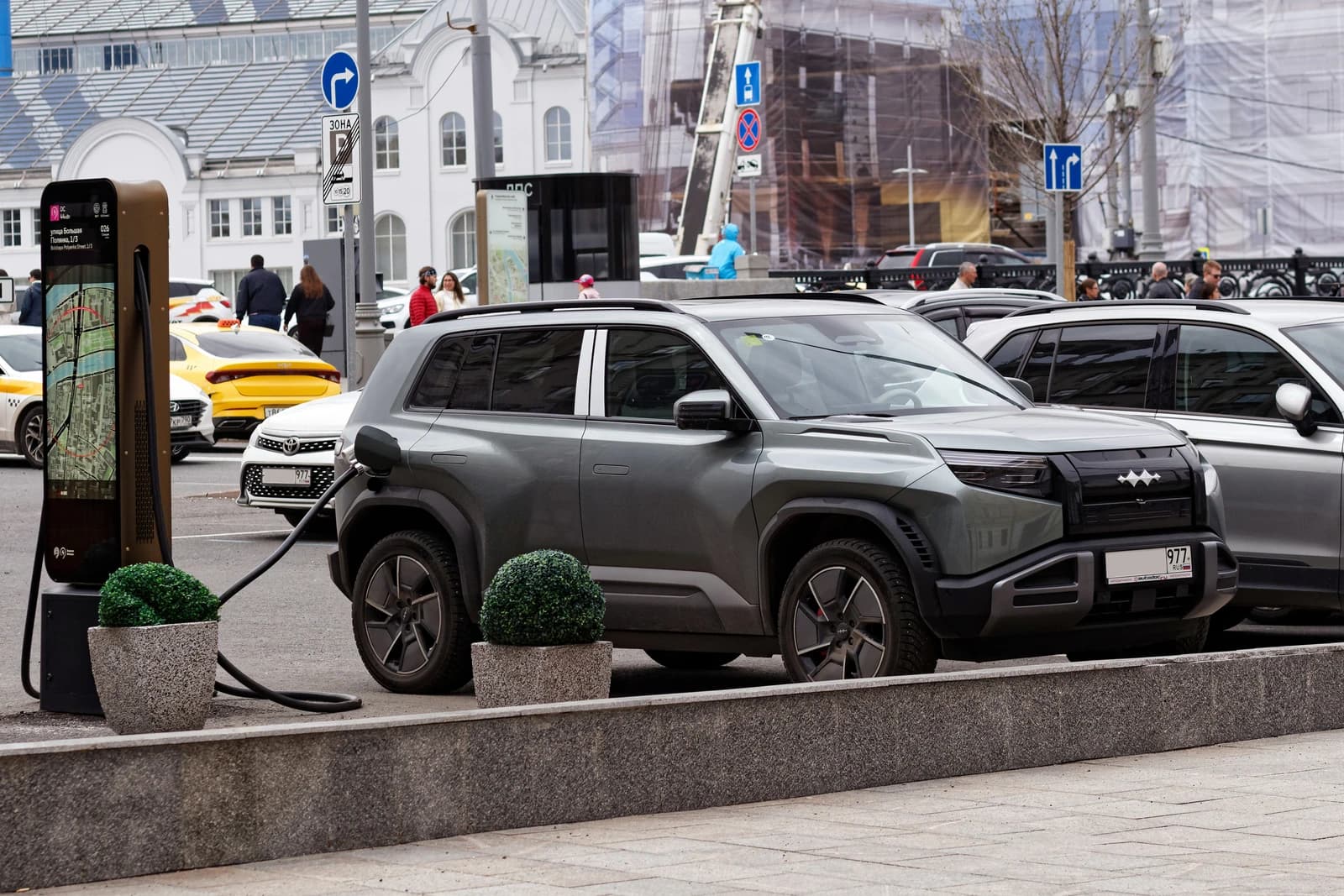
The prototype shown in the video uses an 800-volt architecture with DC charging power of up to 420 kW, which BMW says could take the battery from 10% to 80% in about 20 minutes. That puts charging performance squarely in the range investors and buyers now expect from top-tier EVs, where range anxiety and downtime remain key barriers to adoption.
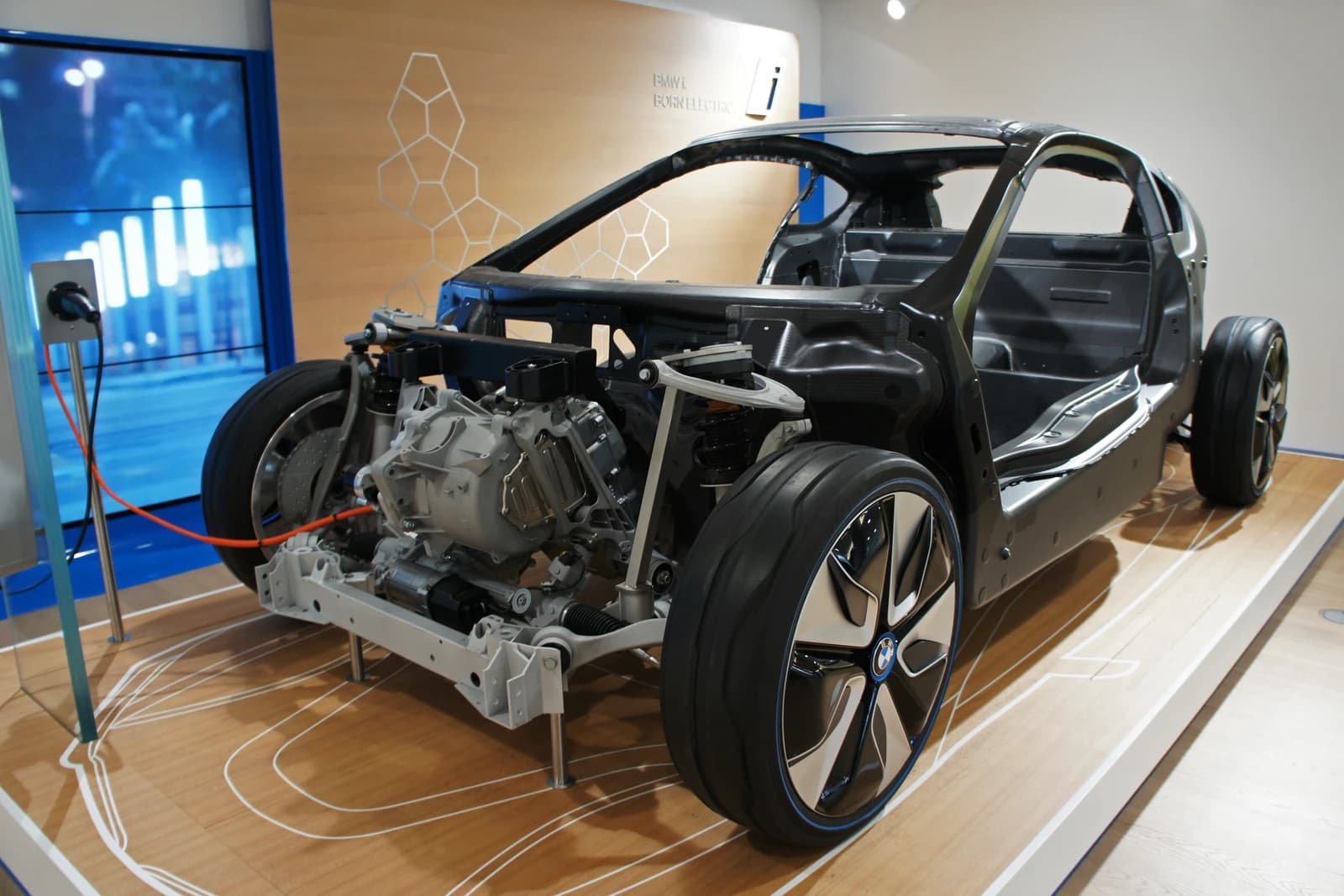
BMW also says the car uses a battery pack of more than 100 kWh and that integrating the pack into the chassis improves torsional rigidity. The design is about more than specs-sheet bragging rights: in the premium performance segment, handling, weight balance and thermal management can determine whether an EV is seen as a true sports car or just a fast sedan.
The move lands as the broader EV sector remains under pressure to justify premium valuations and heavy capital spending. Tesla shares, for example, have been volatile, with the stock last closing at $379.74 after trading as high as $489.88 in mid-December and showing an RSI reading of 40.3, while Rivian has slid to $12.10 from recent highs above $20, underscoring how uneven investor sentiment remains across the EV landscape.
BMW’s electric M3 would also sharpen competition with Tesla, Porsche and high-end Chinese EV makers chasing the same buyers who want speed, technology and credibility in one package. If BMW can translate the concept into a production car without losing the M badge’s performance identity, it could help defend share in one of the industry’s most profitable niches.
The key test now is whether BMW can turn the concept into a road car with real-world range, repeatable track performance and pricing that does not push it beyond the reach of core M customers.
| Entity | Gains | Losses |
|---|---|---|
| BMW M division | ▲EV credibility, performance halo | ▼Risk of disappointing purists |
| Premium EV buyers | ▲Faster charging, high performance | ▼Higher prices, heavier cars |
| Tesla and rivals | ▲More attention to EV performance | ▼More competition for premium buyers |
| Rivian and other EV makers | ▲Sector validation | ▼Investor scrutiny on execution |