The yen surged in New York trading after the Bank of Japan was seen conducting a “rate check,” a move investors read as a possible prelude to currency intervention that briefly jolted the dollar-yen pair back from 158 to the 156-yen area.
Yen Rises After BOJ Rate Check in New York Trading

The sharp rebound matters because it shows Japanese authorities may be trying to slow a holiday-period slide in the currency without immediately pulling the trigger on direct buying of yen. For investors, that raises the odds of a sudden policy-driven reversal in one of the market’s most crowded macro trades.
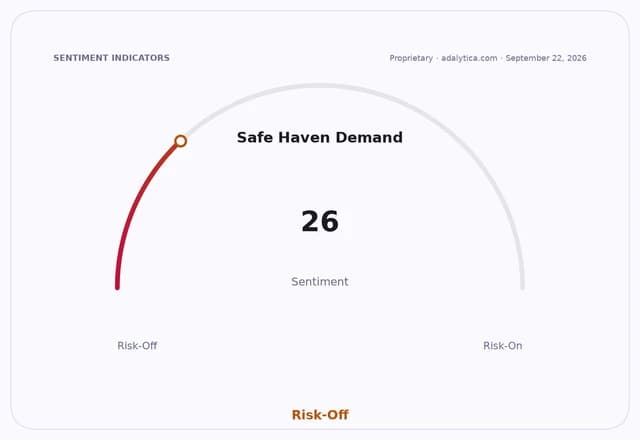
Sentiment IndicatorsⓘProprietary · adalytica.com · September 22, 2026
This is a snapshot — live sentiment, awareness and momentum for 130+ markets update continuously in the dashboard.Open AlphaPulse

The dollar-yen pair had weakened to as much as 158 in the morning before yen buying accelerated. By late trading, the yen was about 1 yen stronger and changed hands around 156 per dollar, according to the data context.
A rate check is a standard step in which the BOJ or authorities contact banks to ask for pricing and liquidity conditions before a possible intervention. Traders often treat it as a warning shot, especially when liquidity is thin and a long holiday period is approaching.
The timing added to the pressure. Japan’s market was heading into the Silver Week break, when trading volumes typically fall and the risk of outsized moves rises. Market participants said the check likely put a brake on the yen’s rapid depreciation during the holiday stretch.
The move also comes after the BOJ lifted its policy rate to around 1.25%, its highest since 1995, but the hike did little to stabilize the currency. The central bank’s statement gave little guidance on the pace of future tightening, with two of the nine policy board members opposing the increase, reinforcing bets that the BOJ will move more cautiously than the Federal Reserve.
That policy gap remains the core driver of yen weakness. The Fed’s latest decision was unanimous, underscoring a still-firm U.S. rate backdrop and keeping the dollar’s yield advantage intact even as Japan nudges rates higher.
The technical backdrop is still fragile. On the yen’s recent chart, price remains below its 50-day and 200-day moving averages, while RSI readings have recovered only modestly from oversold levels, suggesting the currency is vulnerable to further swings if intervention talk intensifies.
For investors, the key level now is 160 per dollar, which strategists say could become a trigger for fresh action by Japanese authorities. If the BOJ or finance ministry follows the rate check with actual intervention, it could hit dollar bulls, lift Japanese equities with overseas exposure less than it hurts importers, and force a rapid unwind in short-yen positions.
| Entity | Gains | Losses |
|---|---|---|
| Japanese authorities | ▲Deterrence value from rate check | ▼Credibility if yen keeps falling |
| Yen bulls | ▲Faster intervention odds | ▼Thin liquidity and BOJ caution |
| Dollar bulls / short-yen traders | ▲Yield gap still supports carry | ▼Sharp reversal risk near 160 |
| Japanese importers | ▲Stronger yen lowers import costs | ▼Weak yen if intervention fails |