Spain’s rule allowing homeowners over 65 to exempt the sale of a habitual residence from personal income tax is more than a niche retirement provision: it can shape the flow of existing homes onto a market that is already tight, expensive and highly sensitive to financing costs.
Spain Tax Break Could Ease Housing Supply
The policy matters economically because it lowers the tax friction on downsizing, retirement migration and wealth realization for older households, making it easier for a generation of owner-occupiers to sell. In a market where supply is chronically constrained, even small changes in seller incentives can have outsized effects on turnover, liquidity and price formation. For younger buyers, more listings would be welcome; for policymakers, the exemption is one of the few tools that can encourage mobility without direct spending.
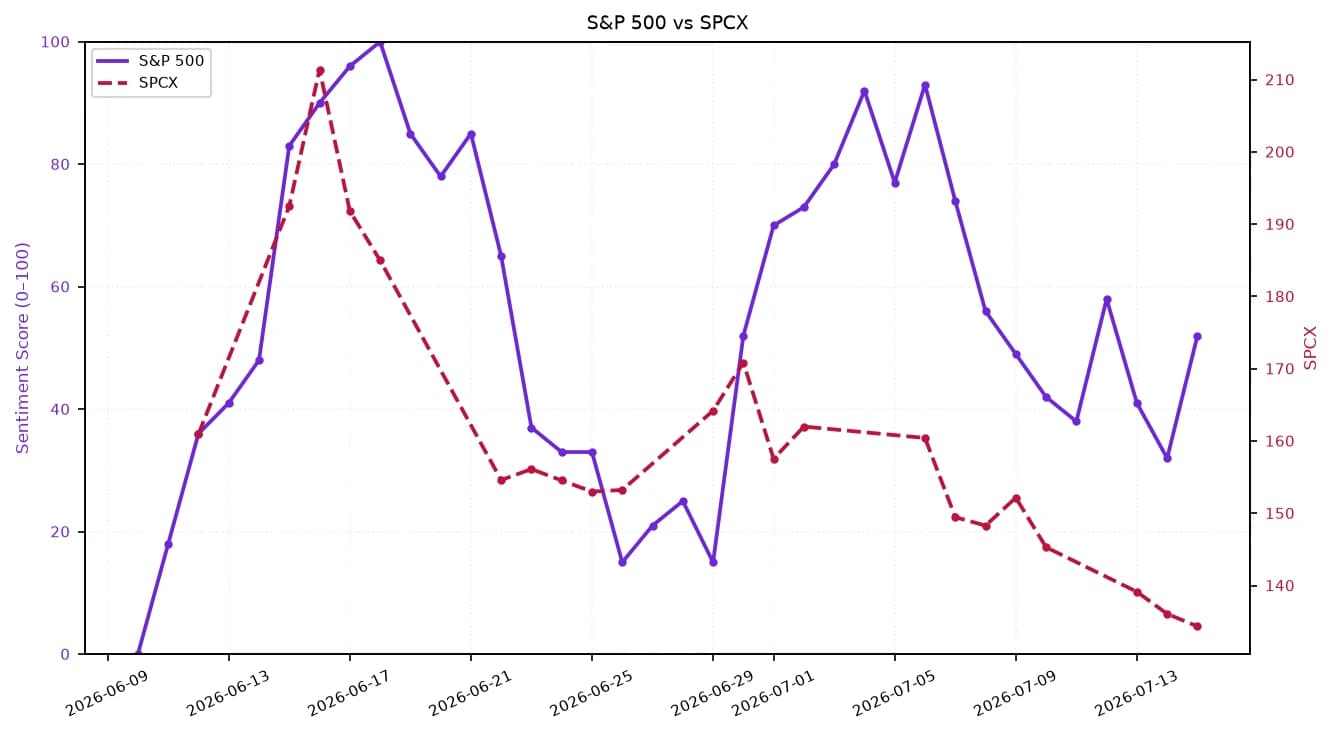
Sentiment IndicatorsⓘProprietary · adalytica.com · July 15, 2026
This is a snapshot — live sentiment, awareness and momentum for 130+ markets update continuously in the dashboard.Open AlphaPulse
The broader housing backdrop argues for why this rule has resonance now. U.S. home-price data show the S&P CoreLogic Case-Shiller index still near record territory, at 332.678 in April 2026, after a powerful post-pandemic run that lifted prices roughly 15% in less than two years. That kind of pricing environment has kept housing affordability under pressure globally, while high interest rates have added another layer of strain. The U.S. 10-year Treasury yield recently traded around 4.6%, a reminder that borrowing costs remain elevated even as inflation cools. In Spain and other European markets, the same combination of sticky prices and restrictive financing keeps both demand and supply under tension.
That is why tax policy aimed at older homeowners can matter more than it first appears. A tax exemption on a principal residence sale after age 65 reduces the penalty for moving, which can release larger family homes into the market and improve the match between housing stock and household needs. Bulls on the policy would argue it unlocks supply with minimal fiscal cost and helps the housing ladder function more efficiently. Bears would counter that the effect may be modest if older households are reluctant to move because of emotional ties, replacement-cost inflation or a lack of suitable downsized alternatives.
The market has already shown how sensitive housing-linked assets are to the rate and supply cycle. U.S. homebuilder and housing ETFs such as XHB and ITB have been volatile, and their technical readings have swung sharply as investors alternated between hopes for easing rates and fears of weak affordability. XHB and ITB remain above their 200-day moving averages, but both have recently cooled from stretched levels, reflecting a market still trying to price a durable housing recovery. That reinforces the central point for investors: policy that nudges supply is not enough by itself, but in a constrained market it can be a meaningful marginal catalyst.
The key question now is execution and behavioral response. If the exemption encourages more older owners to list properties, it could ease bottlenecks in cities where demand remains strongest and support transaction volumes. If not, the measure may simply preserve a tax advantage for a group that already owns housing wealth without materially improving affordability. Investors in Spanish housing, European real estate and home-improvement chains will be watching whether tax incentives translate into more turnover, because that will determine whether the policy becomes a supply release valve or just another targeted tax preference.
| Entity | Gains | Losses |
|---|---|---|
| Homeowners over 65 | ▲Lower tax bill on sale | ▼Less incentive to hold |
| Younger buyers | ▲More existing homes available | ▼Less scarce inventory pressure |
| Spanish housing market | ▲Higher transaction flow | ▼Lower rigidity in supply |
| Fiscal authorities | ▲Potential mobility gains | ▼Foregone income tax revenue |