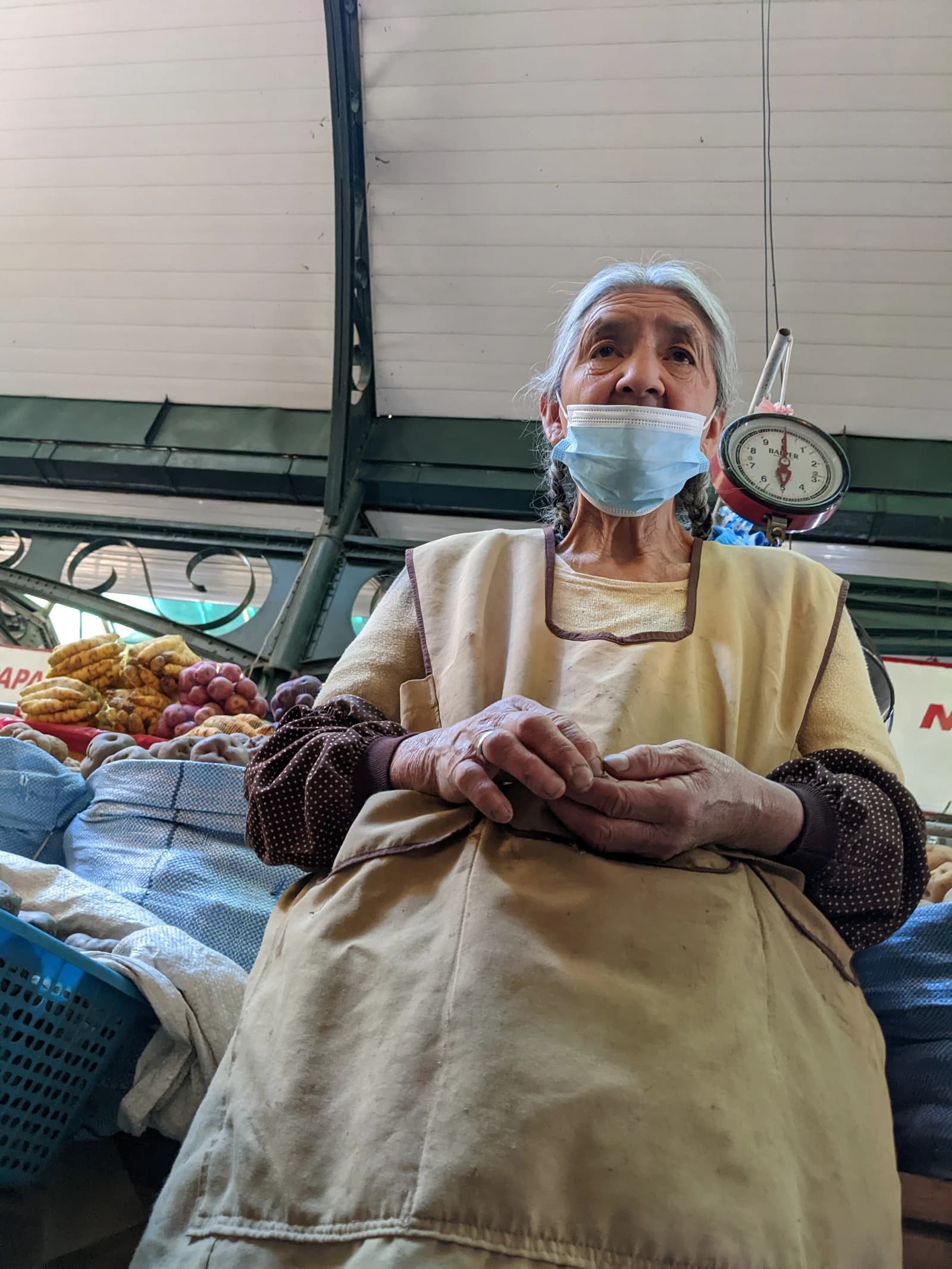
Vietnam’s state coal miner is pushing to expand export markets and lock in longer-term customers at a moment when volatile global energy supplies are keeping coal in demand and sharpening the value of reliable logistics.
Vietnam TKV seeks longer-term coal export buyers
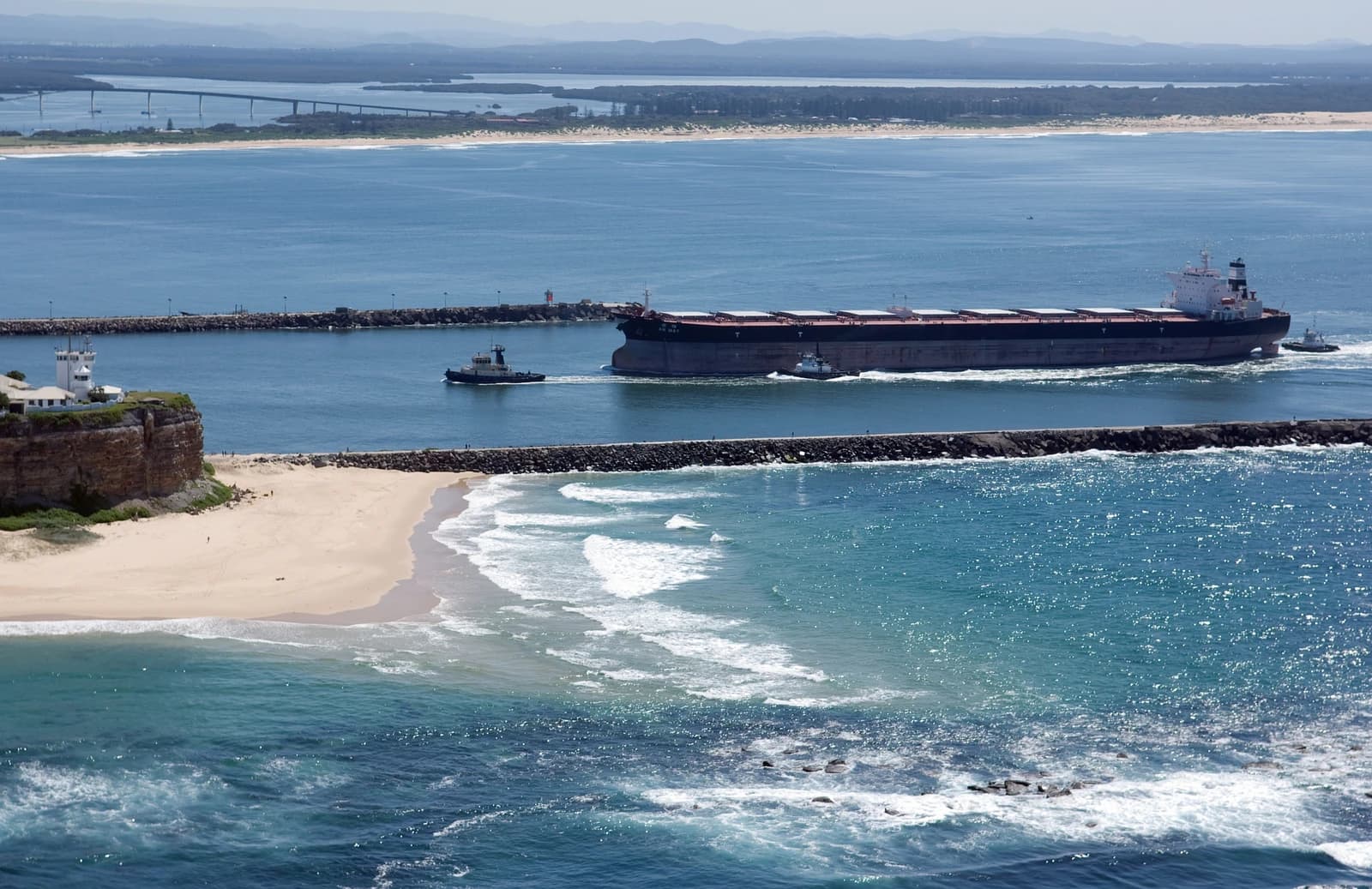
The move matters because it is not just about selling more tons. For TKV and its export arm Coalimex, the bigger prize is protecting Vietnam’s position in the international coal trade by improving product mix, quality, delivery discipline and market reach while demand remains elevated and importers are increasingly sensitive to price, emissions rules and transport reliability.
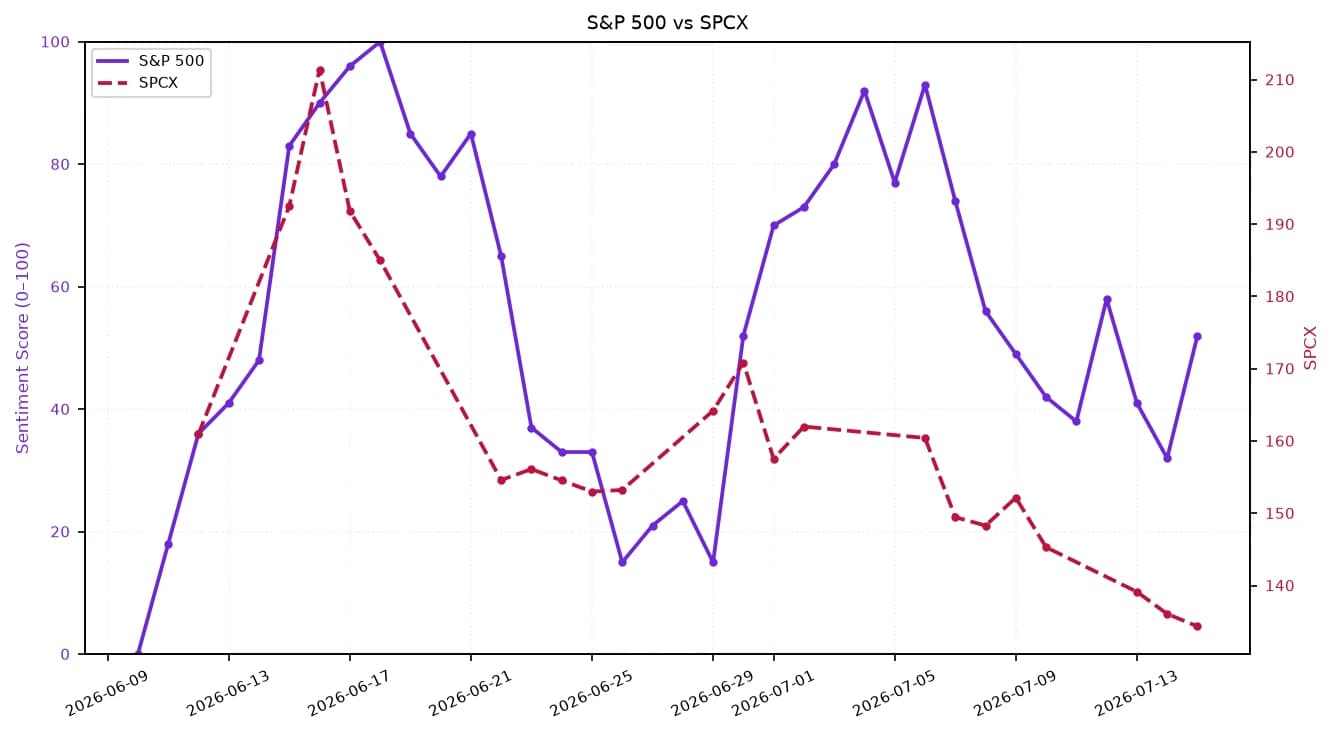
Sentiment IndicatorsⓘProprietary · adalytica.com · September 23, 2026
This is a snapshot — live sentiment, awareness and momentum for 130+ markets update continuously in the dashboard.Open AlphaPulse
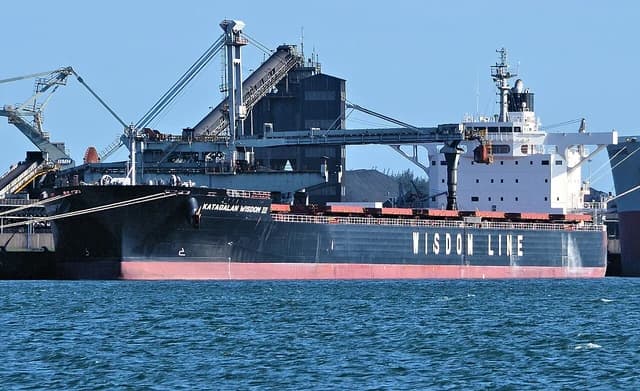
At a meeting on export strategy for 2026 and beyond, TKV said it wants to deepen ties with existing buyers while broadening its market base, tailoring coal grades to customer needs and optimizing the supply chain from mine to port. That is the right playbook in a market where coal is still a strategic fuel, even as energy transition pressures persist.
The company said global energy markets remain “fast-moving, complex and hard to predict,” a description that fits the current backdrop. Middle East tensions have lifted concerns about gas supply routes and reinforced coal’s role as a backup fuel, while the International Energy Agency has forecast coal consumption will rise 1.2% this year to a record 8.94 billion tons. For exporters, that means demand is not the issue — the bottleneck is who can deliver consistent volumes at acceptable cost.
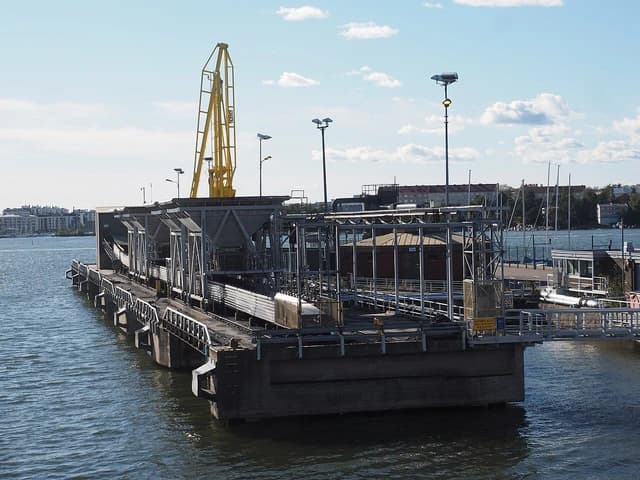
That is where Vietnam’s strategy gets interesting for investors and commodity-linked traders. TKV is signaling that it wants to extract more value from each coal grade, rather than simply chase volume. In a tight market, that favors producers and logistics networks that can meet technical specifications, shorten delivery times and keep costs under control. It also supports pricing power for suppliers with dependable export channels.
The company’s emphasis on market diversification is especially important. Exporters that rely too heavily on a handful of buyers face more pricing pressure, more contract risk and more vulnerability if a single market slows. By broadening the customer base and improving product differentiation, TKV is trying to turn coal exports into a steadier earnings stream, not a one-off opportunistic trade.
For investors watching the coal complex, the message is clear: the market underestimates the staying power of export-oriented coal logistics and quality control. That is good for miners, terminal operators, shipping links and equipment suppliers that sit in the middle of the value chain. It is also a reminder that geopolitical shocks can quickly translate into real cash flow for producers with the right infrastructure and customer relationships.
The next catalyst will be execution. If TKV can convert these talks into higher export volumes, better contract terms and a broader overseas footprint, Vietnam’s coal industry could capture a larger share of a market that remains structurally supported by energy security concerns. The investable takeaway is straightforward: in a world of unstable fuel flows, the winners are not just the biggest miners, but the most flexible exporters with the best logistics.
| Entity | Gains | Losses |
|---|---|---|
| TKV / Coalimex | ▲Higher export volumes | ▼Pricing pressure from weak execution |
| Overseas coal buyers | ▲More supply options | ▼Less leverage on quality and terms |
| Logistics and port operators | ▲Steadier throughput | ▼Congestion and cost overruns |
| Competing exporters | ▲Tighter competition | ▼Market share risk |