Vietnam has formally closed the 527-hectare Thach Khe iron mine in Ha Tinh, a move that could finally unlock one of Southeast Asia’s largest untapped iron ore deposits for a new state-backed project after years of delays, financing disputes and regulatory limbo.
Vietnam closes Thach Khe iron mine for reset
That matters because the decision is not just administrative. It marks the first real step in resetting a resource asset once pegged at about 544 million tonnes of ore, and it raises the odds that Hanoi will either restructure the project around stronger domestic industrial players or redeploy the site for a broader development plan. In a market where iron ore supply, steelmaking costs and heavy-industry capex are all being reshaped by geopolitics and China’s industrial slowdown, that is an investable development.
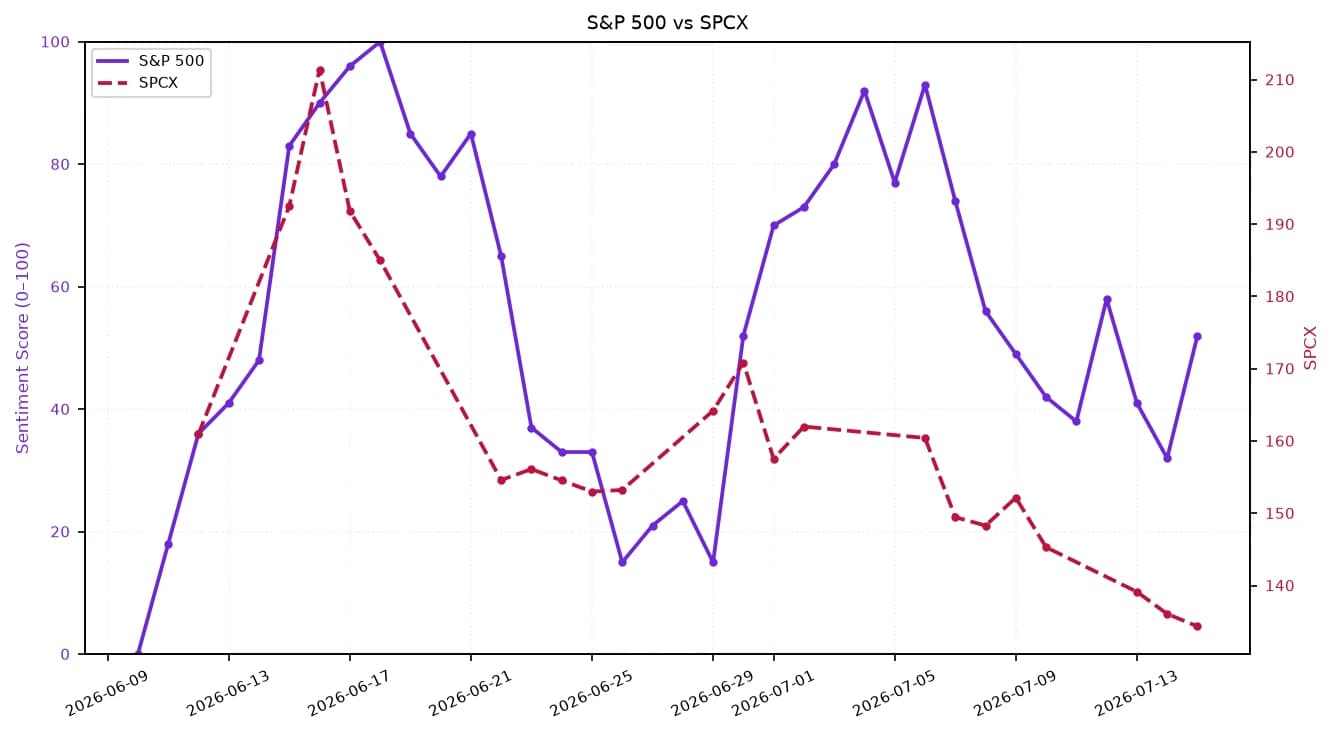
Sentiment IndicatorsⓘProprietary · adalytica.com · September 22, 2026
This is a snapshot — live sentiment, awareness and momentum for 130+ markets update continuously in the dashboard.Open AlphaPulse
Ha Tinh authorities said the closure is intended to confirm reserves and the amount already mined, protect the remaining resource and hand the land back to the state for a new project under guidance issued by the Politburo and government in August. The province had already moved in July to terminate the mining project after the investor missed deadlines for years.
The Thach Khe deposit has sat at the center of a long-running standoff between ambition and execution. First discovered in 1960, it was licensed in 2008 to Thach Khe Iron Co. with an initial investment plan of nearly 14.5 trillion dong. But the project ran into capital-raising problems, shareholder disputes and land clearance obstacles. The government suspended it in 2021 for technical review and a restructuring of TIC’s ownership.
Now Hanoi appears to be forcing a resolution. In May, the government told ministries to settle the project this year. Hòa Phát, Vietnam’s biggest steelmaker, said it was willing to work with the Ministry of Agriculture and Environment on independent monitoring of the mine study and, if the project advances, wants to join a TIC restructuring alongside Vingroup, Thaco and TKV. Another company has also submitted a proposal to participate.
For investors, the significance is twofold. First, a revived Thach Khe could become a strategic domestic raw-material source for Vietnam’s expanding steel industry, reducing dependence on imported ore at a time when supply chains are increasingly politicized. Second, the restructuring process itself could create value for industrial groups with the balance sheets and downstream demand to influence the project’s design, governance and financing.
That makes the next phase more important than the closure itself. If the state uses this reset to bring in credible capital and technical partners, Thach Khe could move from stranded asset to long-duration infrastructure play. If not, the mine risks remaining another reminder that large resource projects in emerging Asia can be more valuable on paper than in production. For now, the market should treat the closure as the opening move in a bigger industrial reallocation story, not the end of it.
| Entity | Gains | Losses |
|---|---|---|
| Vietnamese state / Ha Tinh authorities | ▲Control of asset reset | ▼Legacy project uncertainty |
| Hòa Phát, Vingroup, Thaco, TKV | ▲Potential entry into resource project | ▼Waiting costs |
| TIC existing investors | ▲Chance of restructuring upside | ▼Loss of control, dilution |
| Imported iron ore suppliers | ▲Short-term status quo | ▼Potential future domestic competition |