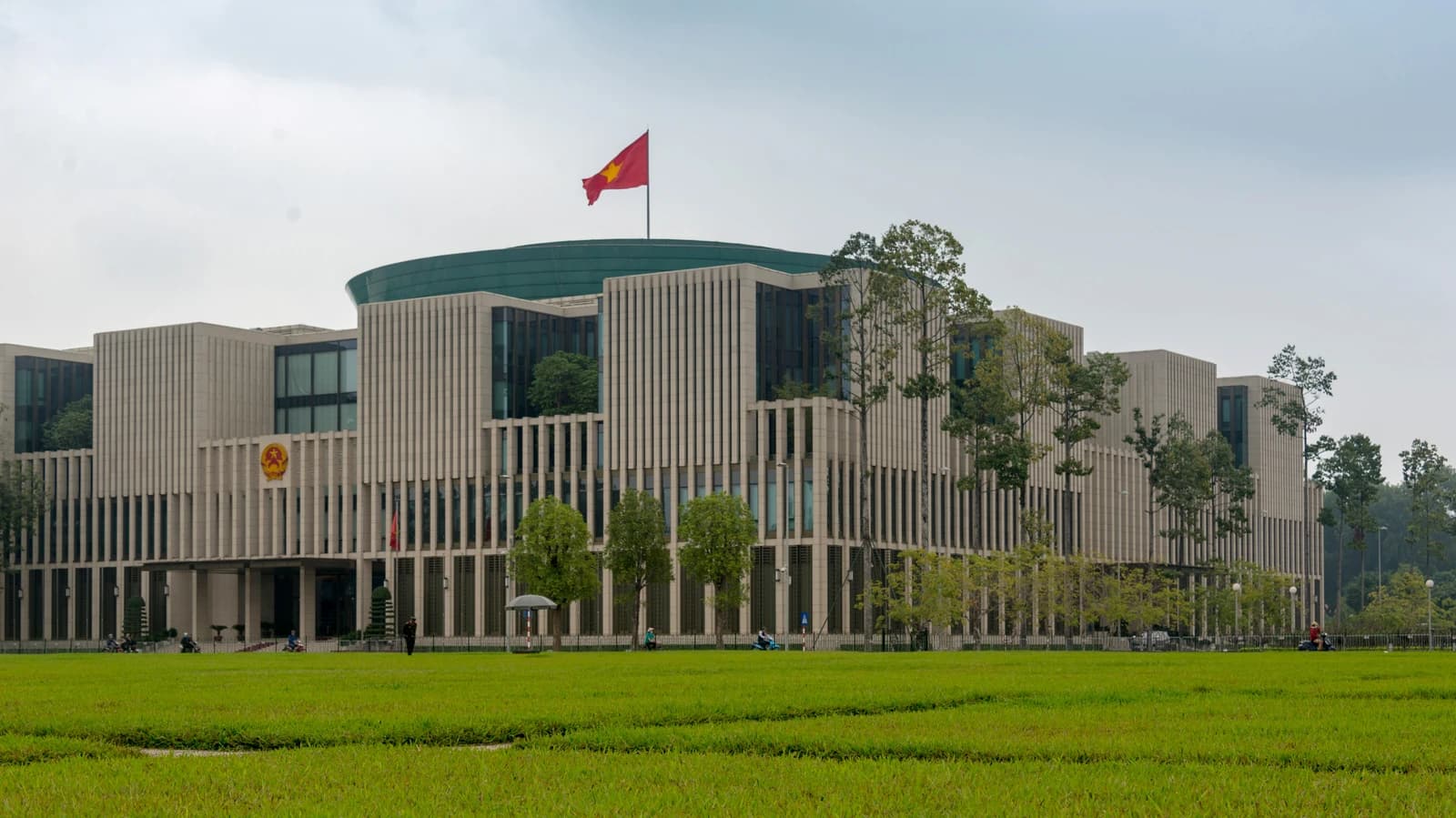
Vietnam’s National Assembly has approved sweeping changes to corporate tax, personal tax, land tax and investment rules that are aimed at cutting costs for smaller businesses, tightening some property tax rules and giving the government more room to court strategic foreign investors.
Vietnam approves tax and investment rule changes
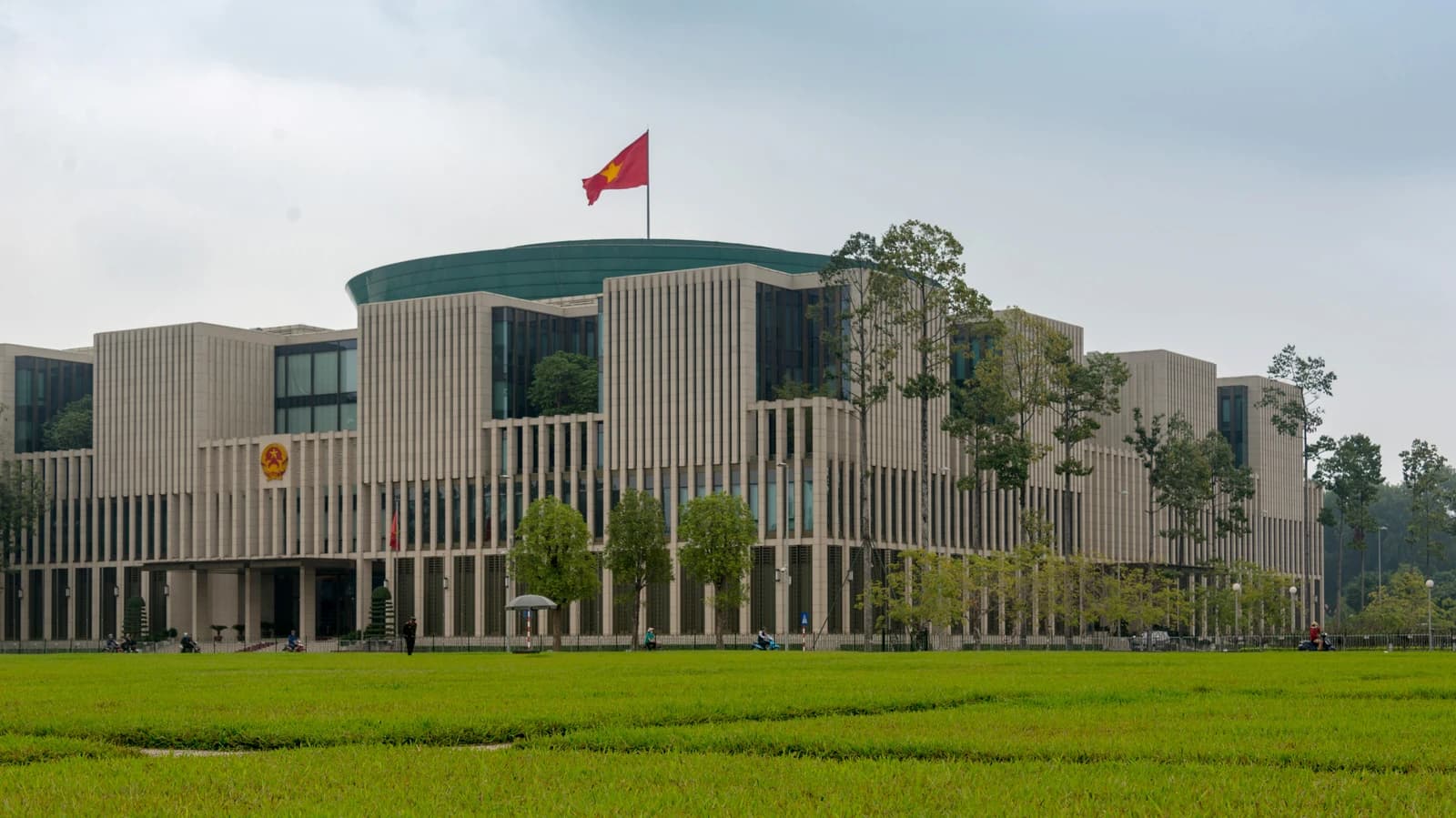
The package matters because it combines near-term support for domestic enterprise with a more flexible framework for approving incentives and market-access adjustments for large projects. That mix could help Vietnam preserve its appeal as a manufacturing and investment hub at a time when regional competition for capital is intense, while also widening the policy toolkit for growth without relying only on broad-based tax cuts.
Sentiment Indicators

Lawmakers voted 475 to 477 in favor of the amendments on Thursday, underscoring broad support for the measures. The changes raise the revenue threshold for choosing a simplified tax method for business households to 10 billion dong from 3 billion dong, exempt small and medium-sized enterprises from corporate income tax for three years after registration, and allow deductions for training and technology-transfer spending linked to supply chains.
The reforms also extend relief to schools and health-related food suppliers, exempting some education and healthcare-linked income from corporate and personal taxes, while exempting land used for education and training. At the same time, the state will levy a 0.2% tax on abandoned land and shorten the period for keeping land-price assumptions stable to three years from five, moves that are designed to curb idle land use and align tax policy with broader land-law changes.
For investors, the most important signal is that Hanoi is trying to make the system both more selective and more responsive. The revised Investment Law gives the government power to approve extraordinary support packages for especially important projects and to act faster on market-access easing when strategic foreign direct investment is on the line. That is likely to matter most for investors in manufacturing, infrastructure and high-value technology, where timing and regulatory certainty can determine whether a project lands in Vietnam or elsewhere.
The downside case is that incentives can be unevenly applied and may create expectations for special treatment, while the delay until 2027 and beyond means the economic boost will not arrive immediately. Critics will also watch whether the broader tax regime becomes more complex, especially if future implementing decrees narrow the scope of exemptions or if land-tax enforcement becomes more aggressive.
Still, the direction of travel is clear: Vietnam is trying to support small businesses, push productive land use and sharpen its pitch to foreign investors without undermining fiscal discipline. For markets, that points to a policy backdrop that is more supportive for domestic consumption and private investment, and potentially positive for industrial developers, exporters and companies exposed to foreign capital inflows.
| Entity | Gains | Losses |
|---|---|---|
| Small and medium-sized enterprises | ▲Lower tax burden | ▼Potentially less room for tax arbitrage |
| Foreign investors in strategic projects | ▲Faster approvals, bigger incentives | ▼Less certainty on uniform treatment |
| Education and healthcare-linked businesses | ▲Tax exemptions | ▼Narrower taxable base |
| Landowners with idle property | ▲Little immediate benefit | ▼Higher tax pressure on abandoned land |