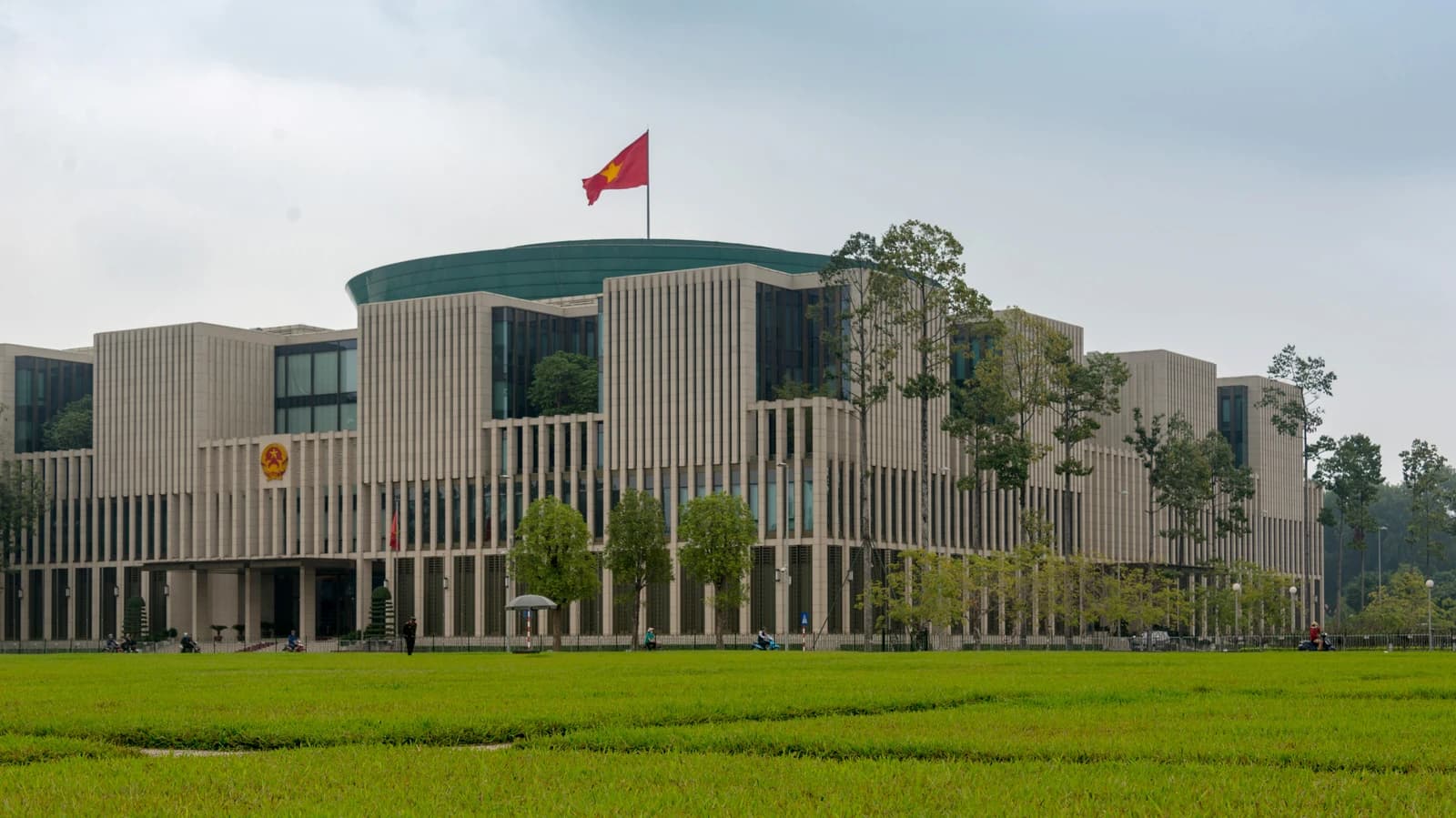
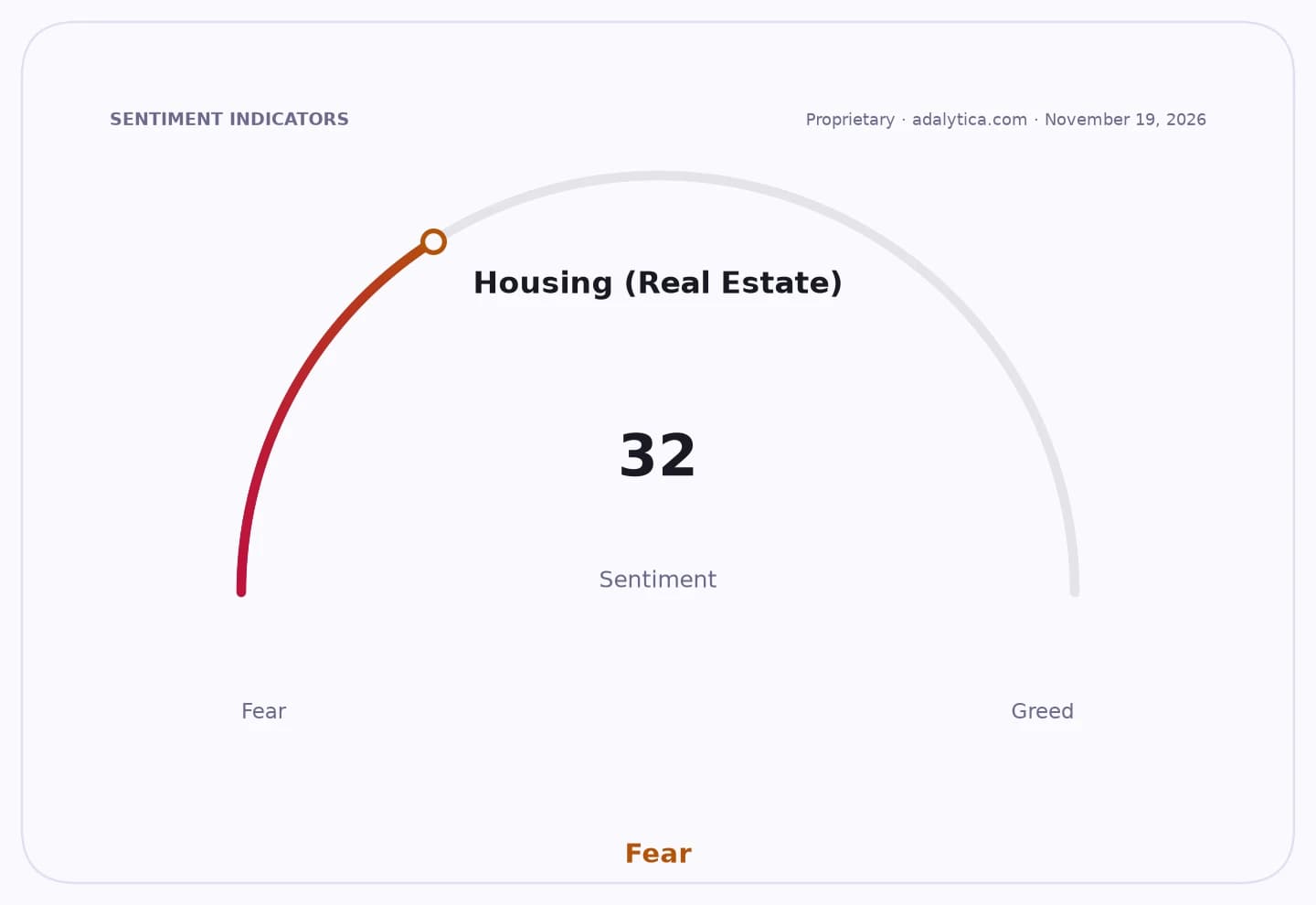
Vietnam’s National Assembly has approved a new 0.2% tax on abandoned non-agricultural land, a move that could reshape land hoarding behavior, improve tax collection and nudge owners to put dormant assets to productive use.
Vietnam approves 0.2% tax on abandoned land
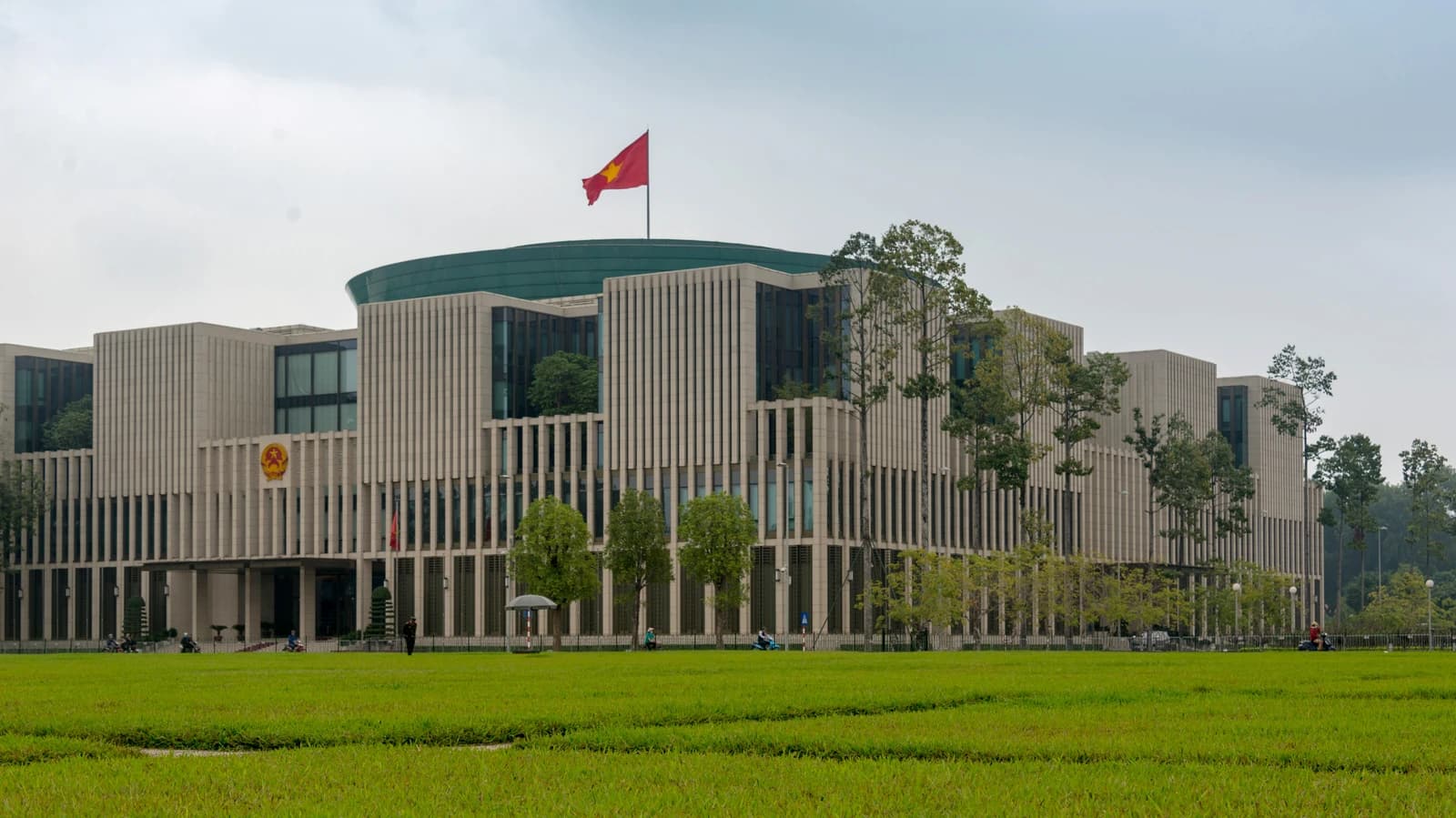
The law, passed on Nov. 20 with 475 of 477 delegates voting in favor, takes effect on July 1, 2027. For investors, the significance is simple: Vietnam is tightening the economics of sitting on unused land. That matters because idle land is often a sign of distorted incentives in fast-growing economies, where land values rise faster than the productive activity they should support. A higher carrying cost can encourage development, transactions and better allocation of capital.
The new rate is especially important because it is far above the tax burden on land used within permitted limits for housing. By lifting the cost of leaving land unused, Hanoi is signaling that speculative land banking will become less attractive. That could matter for developers, industrial parks, logistics operators and infrastructure planners that depend on land moving into active use rather than remaining frozen on balance sheets.
The law is also broader than a single land tax tweak. It folds in changes to corporate income tax and personal income tax, including support for education and health-care providers, along with incentives for small and medium-sized enterprises. For long-term investors, that combination suggests a policy pattern: Vietnam is trying to support productive sectors while discouraging underused assets that add little to growth.
The measure will not have an immediate market impact because implementation begins in 2027, but the direction is clear. Owners of idle land will face a sharper financial penalty, and that should eventually lift turnover in property markets and improve the state’s ability to collect revenue. If enforcement is consistent, the reform could also make Vietnam’s land market more transparent and more efficient, which is good news for companies that build, finance and operate real assets over many years.
For investors, the takeaway is to watch for a gradual re-pricing of land banks, a possible pickup in development activity and a policy environment that favors productive land use over speculation. It is a small tax change with potentially big consequences for how capital is deployed in Vietnam’s real economy.
| Entity | Gains | Losses |
|---|---|---|
| Vietnamese state | ▲Higher tax revenue | ▼Idle land tolerance |
| Active developers | ▲Better land turnover | ▼Speculative land hoarders |
| Industrial and housing users | ▲Easier access to productive land | ▼Owners sitting on unused plots |
| Long-term investors | ▲More efficient land market | ▼Short-term land speculators |