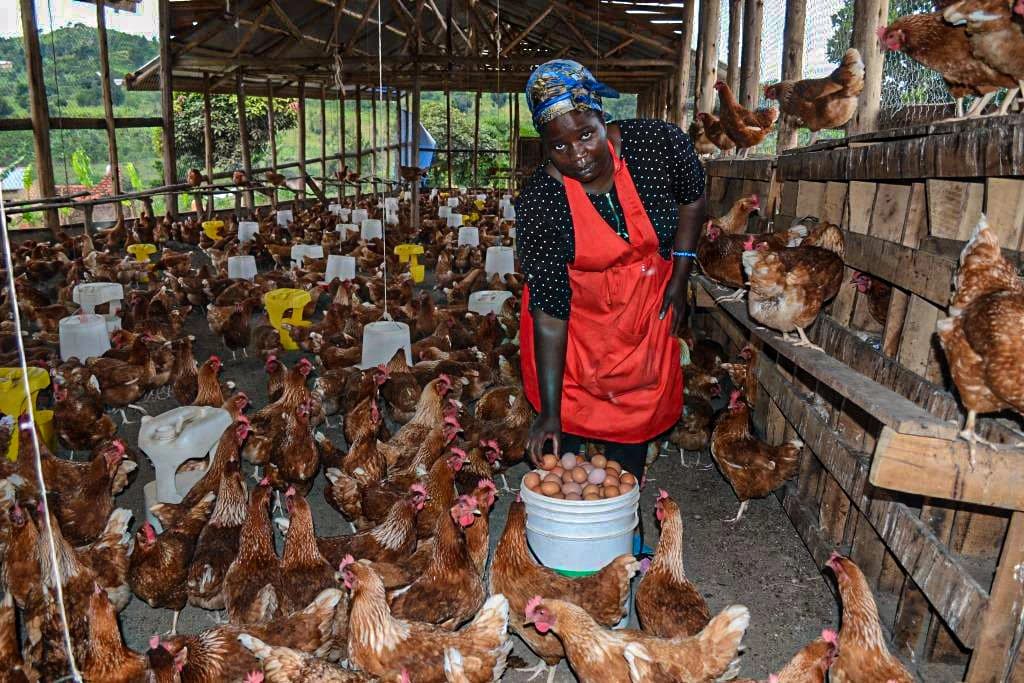
Farm-gate chicken egg prices in Vietnam have fallen to as low as 1,200 dong apiece even as supermarket prices run two to three times higher, squeezing poultry farmers and widening a retail margin gap that is shaping the country’s egg market.
Vietnam egg prices fall as retail gaps widen
The disconnect matters because it shows the pressure of oversupply in the farm sector has not flowed through to shoppers, leaving producers to absorb most of the pain while distributors and retailers preserve pricing power. Farmers in Dong Nai said production costs are running about 1,500 to 1,700 dong per egg, and can reach 2,000 to 2,200 dong in higher-welfare or cage-free models, meaning many are selling below cost and losing an estimated 200 to 300 dong per egg.
That margin gap is forcing smaller farms to cut flocks, shut down, or delay debt repayments, a sign that weak farm economics could eventually trim supply if the losses persist. Large eggs can fetch 2,000 to 2,200 dong at the farm, but they make up only a small share of output, so they do little to offset losses on the bulk of production.
At retail, industrial eggs are widely selling for 29,000 to 37,000 dong per 10-egg pack, or 2,900 to 3,700 dong a piece, while some large cartons have reached 42,000 dong per 10 eggs, according to local reporting. That implies a spread of more than 55% between a farm price of 1,800 dong per egg and a shelf price of at least 2,800 dong, after accounting for inspection, labor, packaging, transport and distribution costs.
The broader backdrop is an industry that is still expanding even as prices slide. Vietnam’s egg consumption is about 184 eggs per person a year, close to the global average, while output climbed from 20.35 billion eggs in 2024 to 21.4 billion in 2025 and is forecast to reach 25 billion to 26 billion in coming years.
That supply growth is colliding with changing demand patterns. Urban consumers are increasingly buying branded, packaged eggs with clear origin labels, which favors larger producers and retailers that can invest in packaging, traceability and logistics, while smaller farms struggle to compete on scale.
Exports offer some relief, but not a quick fix. Trade agreements such as CPTPP and EVFTA may open more markets, yet eggs are highly perishable and face strict quarantine rules, and only about 23% of global egg production is traded internationally, limiting how much excess supply can be absorbed abroad.
For investors and agribusiness players, the story points to continued pressure on small Vietnamese poultry farms, possible consolidation in the sector and a bigger role for large-scale producers and branded retailers if farm prices stay weak. The near-term catalyst is whether festive demand or export channels can absorb enough supply to stabilize prices before more farms exit the market.
| Entity | Gains | Losses |
|---|---|---|
| Large-scale egg producers | ▲Better scale, branding power | ▼Margin pressure from weak farm prices |
| Small poultry farms | ▲Limited niche demand | ▼Below-cost selling, closures |
| Retailers/supermarkets | ▲Wider pricing power | ▼Higher scrutiny on markups |
| Consumers | ▲More branded, traceable options | ▼Higher shelf prices |