Utilities are quietly turning some of America’s most overlooked coal sites into prime real estate for the AI buildout, and that shift could reshape where the next wave of power, land and grid capital flows for years.
Utilities Turn Coal Sites Into AI Data Center Hubs
The economics are straightforward: data centers need huge amounts of power, fast interconnection and large parcels of land, and retired coal plants offer all three in one place. That makes them far more than legacy liabilities. They become ready-made hubs for “ground zero” AI infrastructure, with existing transmission lines, substations and water access already in place, reducing the time and cost required to bring megawatts online.
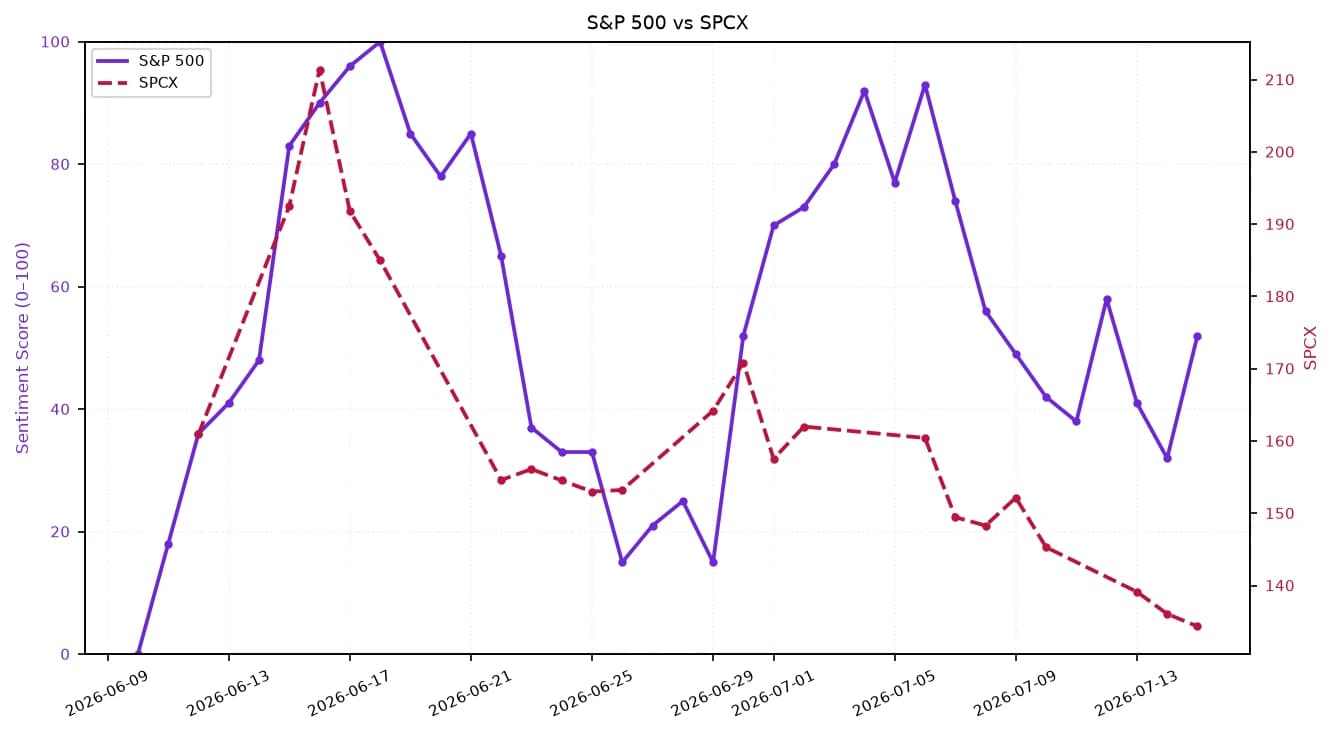
Sentiment IndicatorsⓘProprietary · adalytica.com · September 23, 2026
This is a snapshot — live sentiment, awareness and momentum for 130+ markets update continuously in the dashboard.Open AlphaPulse
That is why the market should view this not as a niche redevelopment theme but as a new toll road for the energy transition and the AI economy. The winners are the utilities that control these sites, because they can monetize stranded assets, capture higher-load customers and lock in long-duration contracts. The losers are operators stuck trying to greenfield new capacity in congested grid markets, where transmission delays and permitting bottlenecks remain a major drag.
The European Commission’s push for stricter disclosure on data-center energy and water use underlines the same global pressure point: AI infrastructure is no longer just a computing story, it is a power and resource story. As regulators force more transparency and public concern rises over utility bills, the most valuable sites will be the ones that can prove access to cheap, reliable electrons and enough water to keep servers cool.
That dynamic helps explain why utility stocks tied to land, transmission and generation optionality have started to attract more attention, even as broader market sentiment sits in a greedy zone and the U.S. dollar looks stretched. Investors are increasingly paying for infrastructure that can be financed, permitted and connected now, not in five years. In that environment, brownfield power assets are becoming strategic, not obsolete.
For investors, the key is to think beyond the obvious chipmakers and hyperscalers. The asymmetry may sit with the owners of coal retirements, grid interconnects and local utility corridors that can sell access to the AI land rush. The next phase of the data-center trade is not just about more compute — it is about who controls the fastest route to power.
| Entity | Gains | Losses |
|---|---|---|
| Utilities with retired coal sites | ▲Monetize stranded assets | ▼Face scrutiny and execution risk |
| Data center developers | ▲Faster power access | ▼Greenfield delays and higher costs |
| Grid equipment and transmission suppliers | ▲More capex demand | ▼Capacity-constrained rivals |
| Local communities and regulators | ▲Potential tax base and reuse | ▼Higher water and electricity pressure |