Utah is trying something America has rarely done before: use a corrections facility, not just shelters or rehab beds, to break the revolving door that sends people experiencing homelessness from the street to jail and back again.
Utah ARCH Project Opens for Homeless Diversion
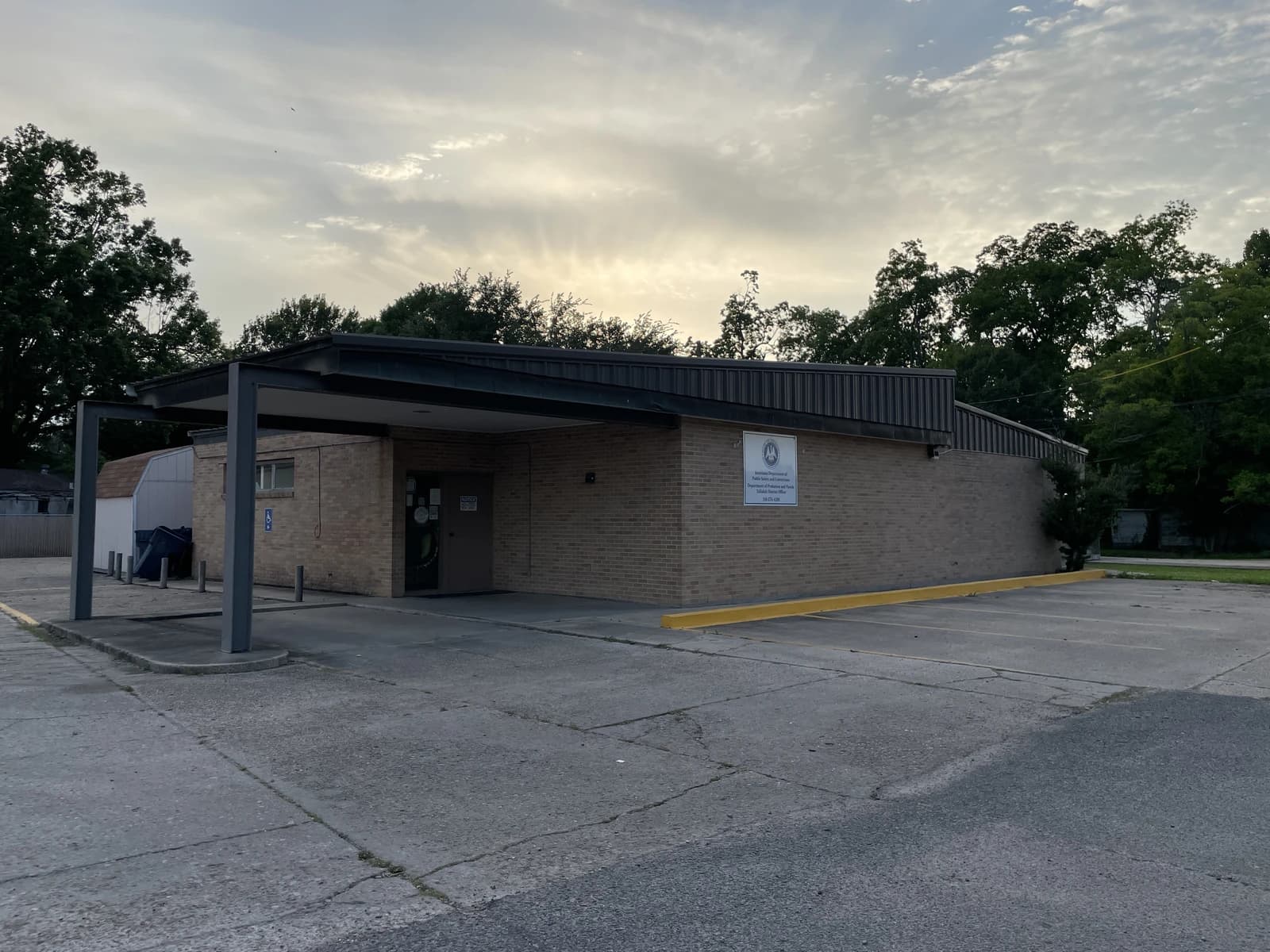
The state’s new ARCH Project, opened Wednesday in Salt Lake City, is designed to house up to 180 people who have at least five convictions for low-level offenses such as trespassing or shoplifting. It is the first program of its kind run by a corrections agency in the U.S., and it arrives with an economic logic that matters far beyond Utah: if governments can move high-need individuals into treatment, housing and case management before another arrest, they may cut repeated jail stays, emergency-room visits and the public costs that come with them.
Sentiment Indicators
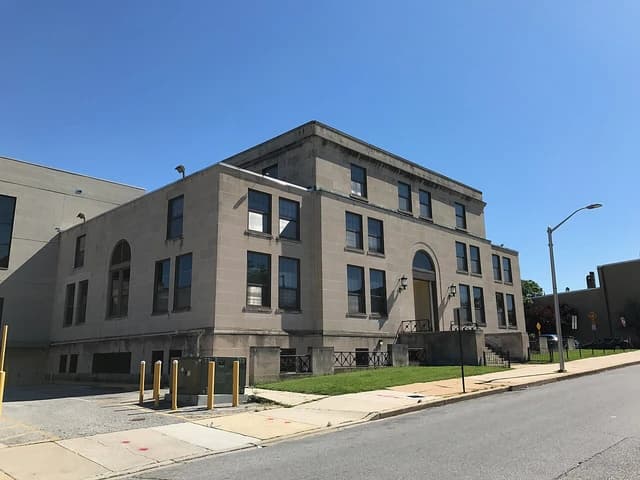
That is the real significance of the project. Legislators spent millions on homelessness because the old system was expensive and ineffective. Utah lawmakers backed HB110 this spring with $2.6 million for renovations and $6 million to run the program, while the corrections department hired about 50 staff members to deliver the care. The ARCH Project is now available to roughly 1,300 Utahns who are believed to be eligible, with judges able to order participants into the program as part of probation.
For investors, the lesson is less about one state’s budget line and more about the scale of the services economy built around chronic homelessness, behavioral health and public safety. Programs like ARCH can redirect demand toward treatment providers, case managers, housing operators and community-based nonprofits, while reducing pressure on jails and emergency systems that are costly to taxpayers but often don’t solve the underlying problem. In other words, this is a policy experiment in turning recurring social costs into upfront stabilization spending.
The model is also notable because it adds a layer of long-duration support. Participants can receive housing and treatment for six to eight months, and case management can continue for up to three years. Officials say the beds are intended for people whose needs are too complex for ordinary street outreach or emergency shelters, not as a replacement for them. That framing matters: if the program works, Utah could build a more durable pipeline between incarceration, recovery and employment.
There are, of course, execution risks. Intensive programs require staffing, coordination and political patience, and not every participant will be the right fit for the same type of treatment. But the state is betting that persistent support beats repeated punishment for a segment of the homeless population that has already cycled through the system too many times.
For long-term investors, the broader takeaway is that homelessness policy is moving toward integrated service delivery, not just temporary shelter capacity. If Utah’s experiment shows lower recidivism and better outcomes, expect other states to copy it — and expect more money to flow toward the organizations that can provide housing, treatment and case management at scale.
| Entity | Gains | Losses |
|---|---|---|
| Utah corrections department | ▲New diversion role | ▼Pressure to rely on jails |
| Homeless residents with repeat low-level arrests | ▲Housing and treatment access | ▼Cycle of arrests |
| Taxpayers and local services | ▲Potentially lower long-run costs | ▼Upfront program spending |
| Jails and emergency systems | ▲Less overcrowding pressure | ▼Repeat users and revenue dependence |