Kazakhstan is reopening applications for the second stage of its women’s mortgage program “Umai,” giving qualified borrowers access to as much as 50 million tenge for an apartment purchase as the government and lenders try to widen homeownership in a market still defined by tight affordability.
Kazakhstan restarts Umai women’s mortgage program
The Asian Development Bank is backing the new round with 20 billion tenge, and the program is designed to channel long-term housing credit to women who meet income and savings requirements. For investors and lenders, the key question is not just how many applicants qualify, but whether the subsidized financing can spur apartment demand without overheating prices or weakening loan quality.
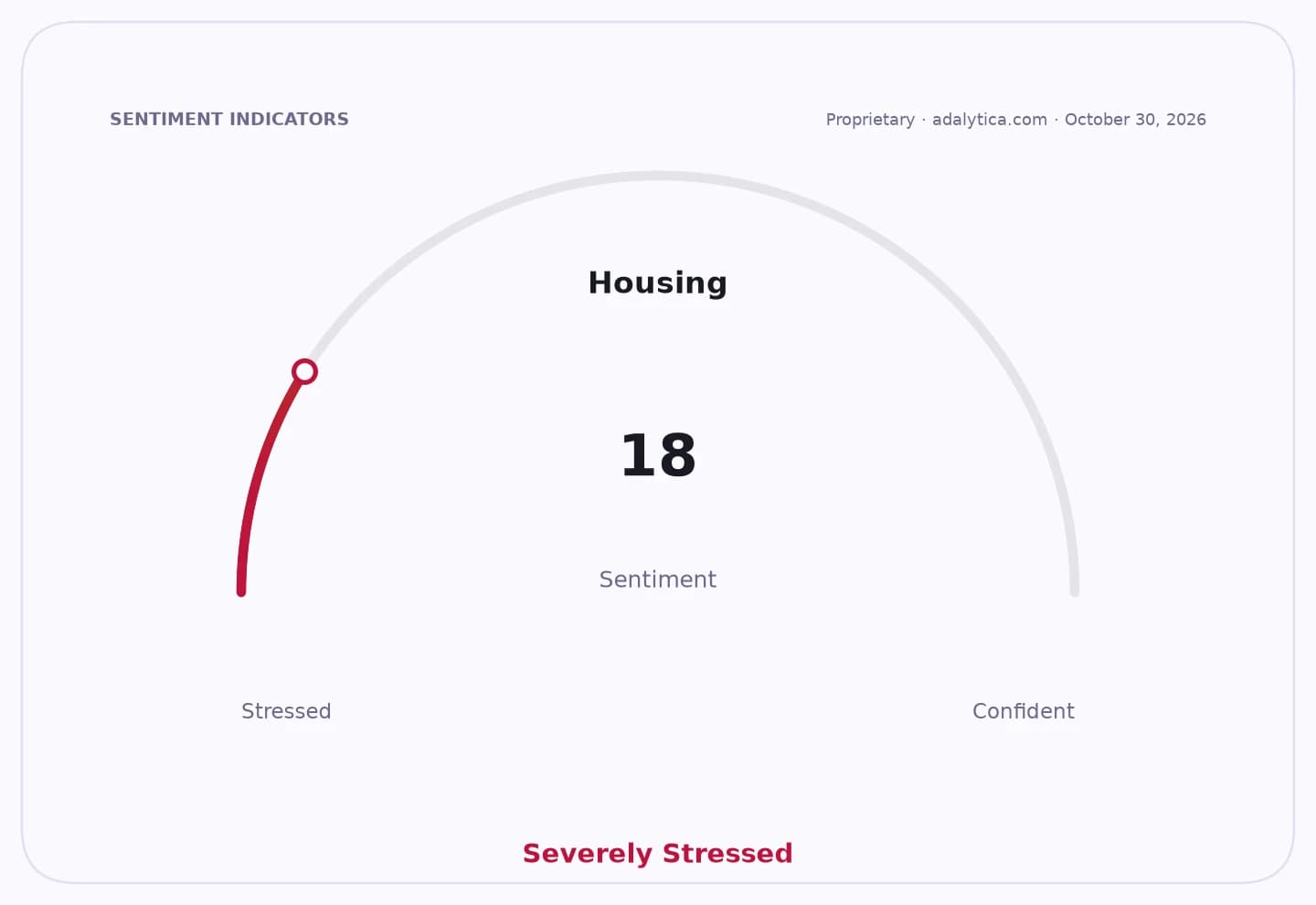
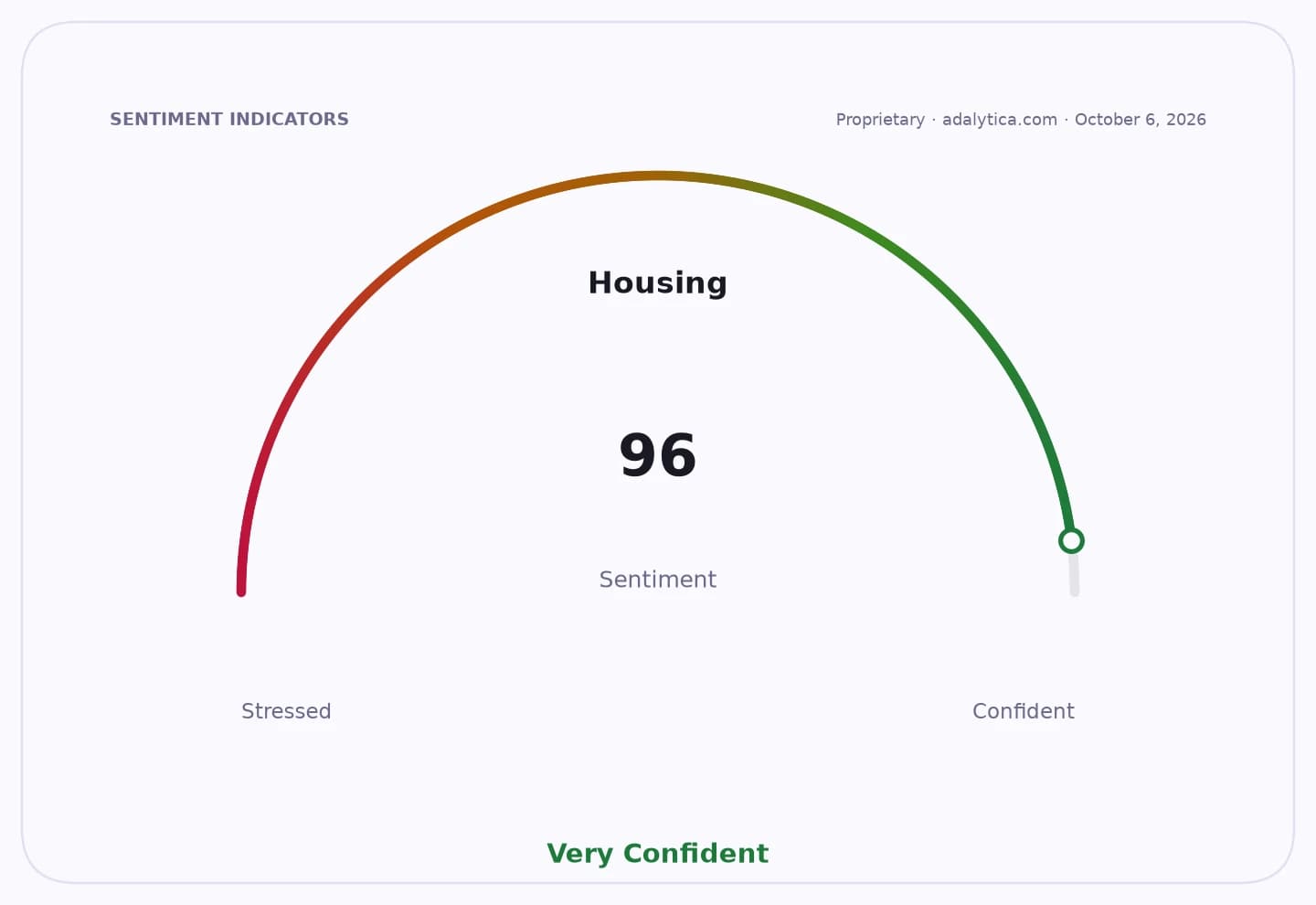
Sentiment Indicators
The program matters because mortgage access remains one of the main bottlenecks in Kazakhstan’s housing market. By stretching borrowing capacity, “Umai” can support primary-market sales and improve turnover for developers, while also shifting demand toward formal banking channels rather than higher-cost consumer credit or developer installment plans.
But the headline number is not the whole story. Eligibility is limited, so the pool of borrowers able to secure the full 50 million tenge will likely be smaller than the public-facing figure suggests. That makes the second round more of a targeted affordability tool than a broad stimulus for the housing market.
The timing also matters for lenders and homebuilders. If take-up is strong, banks could see a lift in mortgage origination volumes, while developers may benefit from more buyers able to close deals without waiting for savings to accumulate. If demand is concentrated in a narrow income bracket, the program’s macro impact will be more modest, even if it remains politically useful as a women-focused housing initiative.
The bigger investment takeaway is that Kazakhstan is still relying on state-backed and externally supported financing to bridge the gap between wages, savings and home prices. That points to continued sensitivity in the residential property market to credit conditions, subsidy design and the pace of new funding rounds.
| Entity | Gains | Losses |
|---|---|---|
| Women qualified for Umai | ▲Access to 50 million tenge | ▼Strict income and savings tests |
| Banks participating in the program | ▲More mortgage originations | ▼Higher underwriting and funding exposure |
| Developers selling apartments | ▲More financed buyers | ▼Limited impact if eligibility stays narrow |
| Non-qualifying households | ▲None | ▼No benefit from the subsidized loans |