Indonesia will slash borrowing costs for millions of Mekaar microloan clients to 8% from about 20% to 25% starting next week, in a move that could sharply ease financing pressure on the country’s biggest women-focused microfinance borrowers and deepen the government’s subsidy bill.
Indonesia cuts Mekaar microloan rate to 8%
The lower rate, which officials say will be permanent, is designed to replace the current high-cost lending model at Permodalan Nasional Madani’s Mekaar program, a core channel for ultra-micro financing across the country. For borrowers, the cut should free up cash flow and reduce default risk; for the state, it means a larger budget commitment at a time when policymakers are trying to support small-business income and household spending.
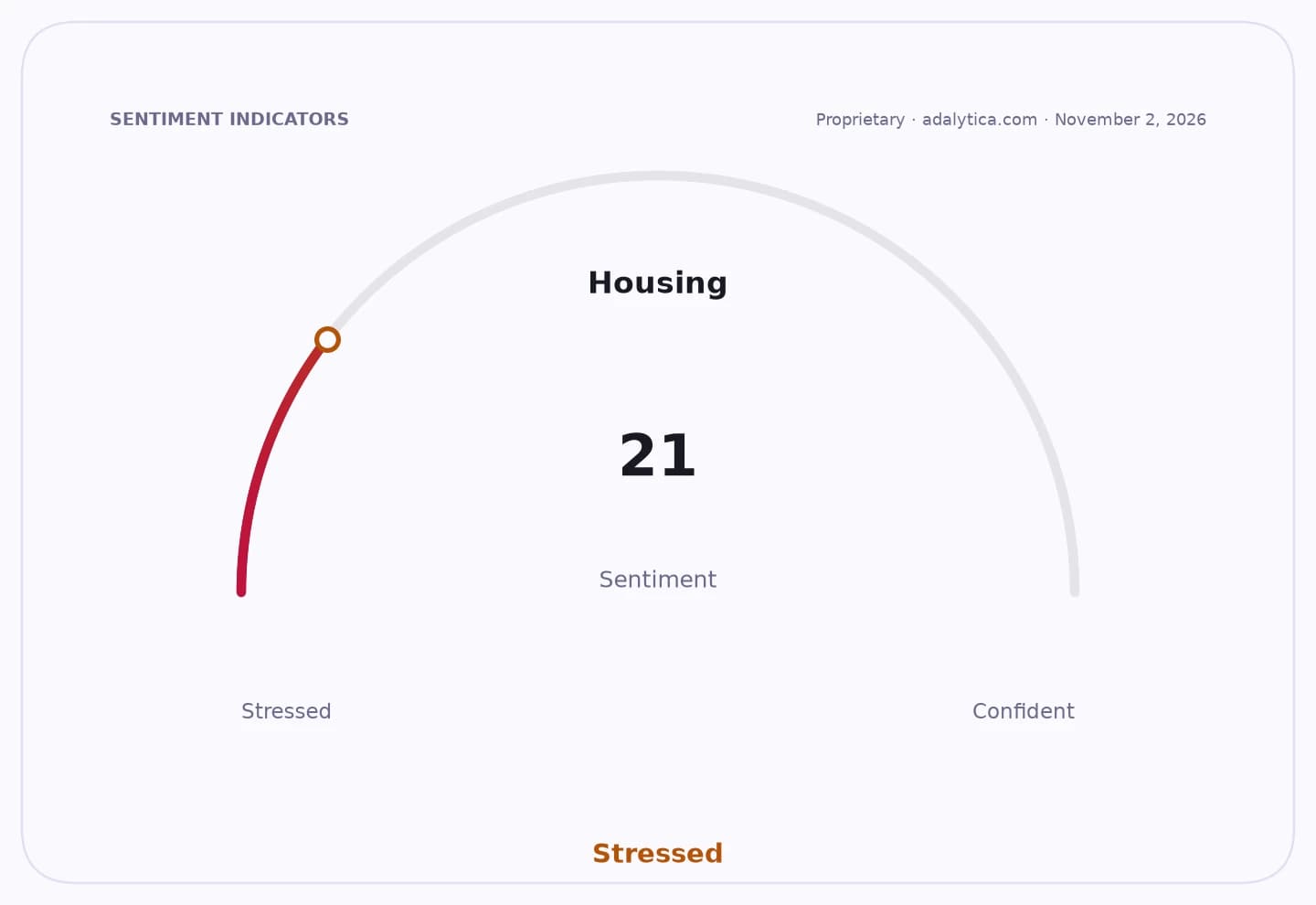
Sentiment Indicators
Micro, Small and Medium Enterprises Minister Maman Abdurrahman said the government has already tested the 8% rate on about 3,200 Mekaar customers and plans to roll out the program in the second week of November after finishing a cooperation agreement with PNM. The government has set aside about 2.6 trillion rupiah through the end of 2026, though officials say they are still calculating how many borrowers that sum can cover given there are only about two months left this year.
The policy matters beyond PNM. Mekaar is estimated to serve 12 million to 15 million customers, mostly in lower-income areas, so a sustained rate cut could put more money into the hands of households that typically spend quickly on consumption and microbusiness inventory. That makes it relevant for domestic demand, especially in Java and poorer regions where the trial program was concentrated.
For investors, the immediate question is how much of the interest subsidy will be absorbed by the state versus PNM’s earnings profile, and whether the rollout can scale without administrative delays. Any broader easing in borrowing costs for microfinance could also influence sentiment toward Indonesian lenders with exposure to small-ticket lending, while reinforcing the government’s push to use targeted subsidies rather than across-the-board rate cuts.
The next catalyst is execution: officials still need to finalize the paperwork this week, then show the permanent 8% pricing can be delivered quickly and without disrupting distribution.
| Entity | Gains | Losses |
|---|---|---|
| Mekaar borrowers | ▲Lower debt burden | ▼— |
| Indonesian consumers | ▲More disposable income | ▼— |
| PNM / the state | ▲Higher outreach, policy support | ▼Subsidy cost, admin burden |
| Competing lenders | ▲Pressure to offer cheaper credit | ▼Higher pricing power |