Trump’s consideration of removing at least 25,000 U.S. troops from Europe would be one of the most consequential shifts in America’s post-Cold War military posture, and it matters because it could reshape NATO’s deterrence, redirect Pentagon spending and alter the earnings outlook for major defense contractors.
U.S. Troop Cuts in Europe May Shift Defense Spending
For investors, the immediate question is not just what happens to force levels, but where the dollars go next. A smaller U.S. footprint in Europe could mean less demand tied directly to troop presence, basing, logistics and some support contracts, while boosting the odds that governments in Europe and the U.S. respond by spending more on air defense, munitions, surveillance and missile systems. In other words, the story is less “defense spending disappears” than “defense spending changes shape.”
That is why the market read-through is mixed. Contractors with deep exposure to Europe and NATO modernization could see a near-term stock wobble if investors assume fewer U.S. boots on the ground means fewer legacy deployments and slower program decisions. But companies that make the systems allies would need to backfill a reduced American presence — from air and missile defense to command-and-control and precision weapons — could ultimately benefit if Washington presses partners to shoulder more of the burden.
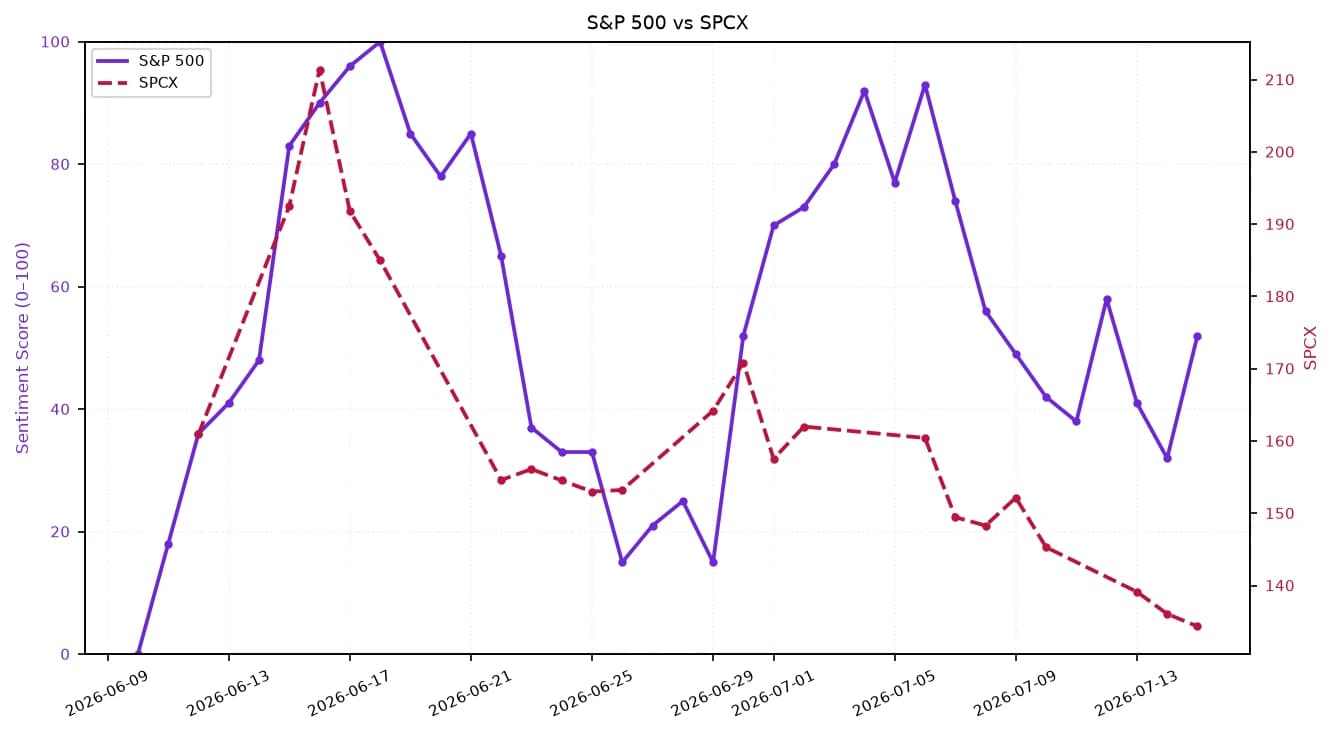
Lockheed Martin, RTX and Northrop Grumman are all in the frame. Lockheed has been a big beneficiary of demand for integrated air and missile defense and other high-end systems that Europe is likely to prioritize if the U.S. pulls back. RTX, with its missile, radar and defense electronics franchises, sits in the same lane. Northrop, meanwhile, is tied to long-cycle programs that matter when militaries are trying to modernize quickly. The stocks have already shown how sensitive they are to geopolitical headlines, with sharp swings in recent sessions as investors priced in a shifting security backdrop.
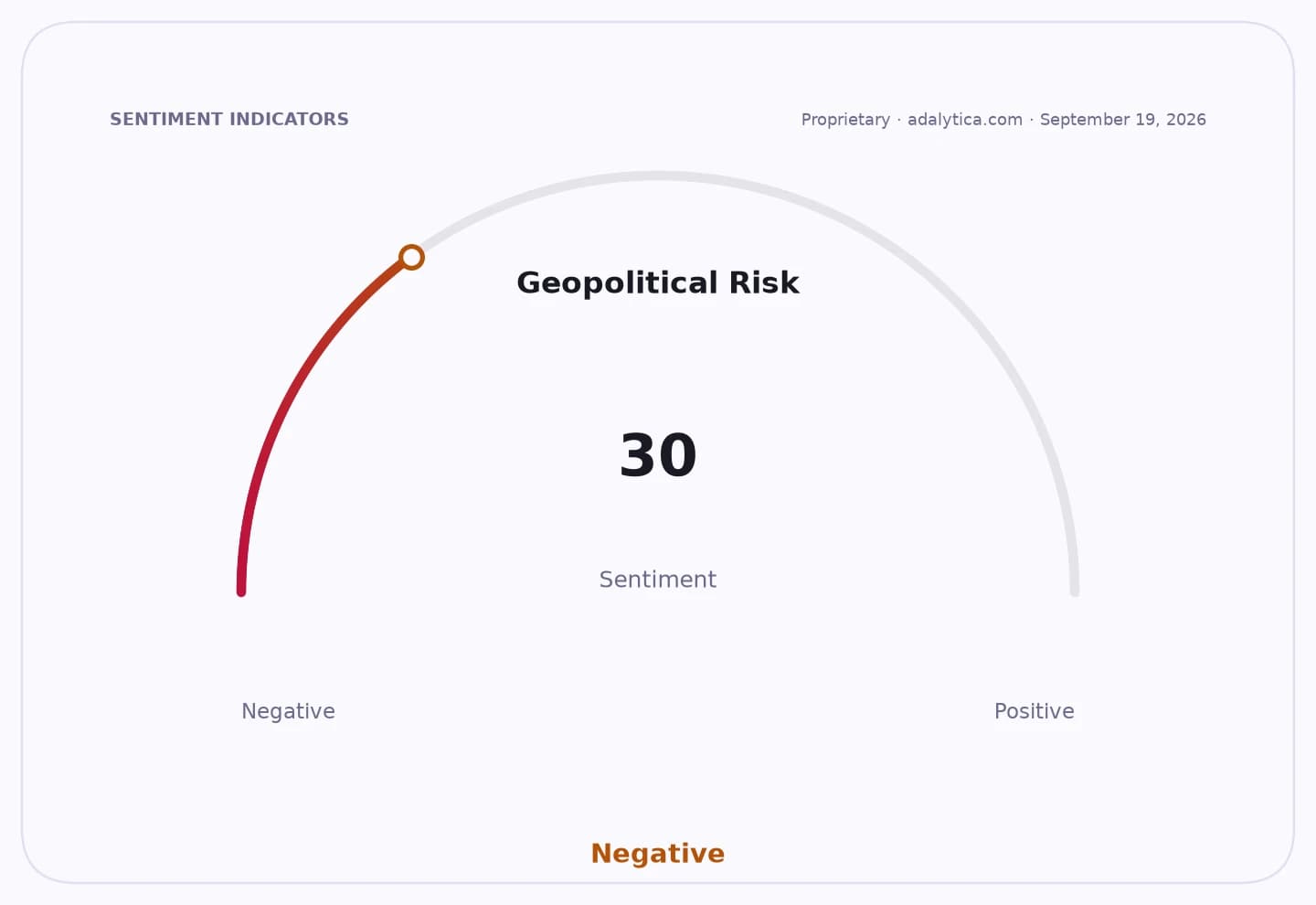
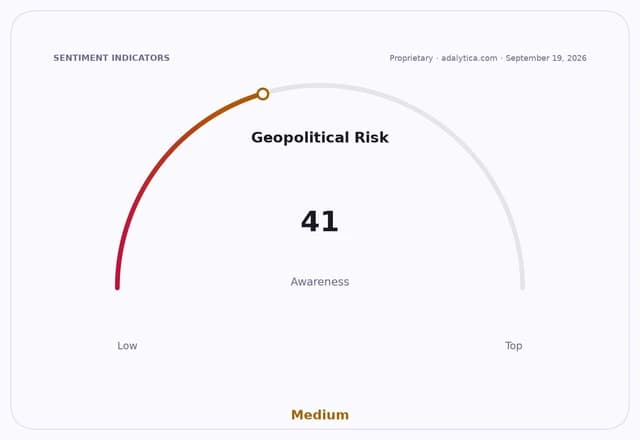
Geopolitical Risk — 30-day sentimentadalytica.com
Explore this data interactively — full history, time series and cross-market comparisons.Open AlphaPulse
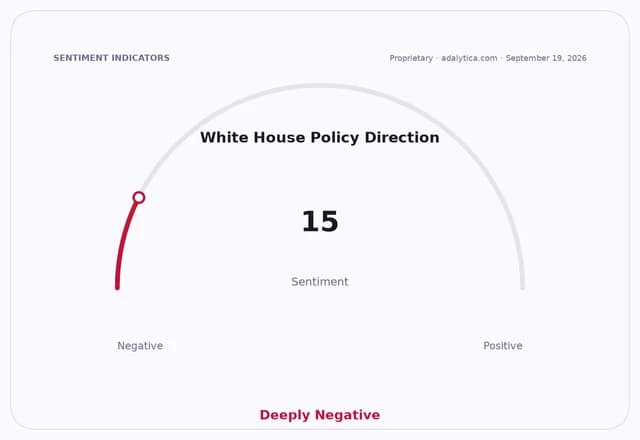
The broader economic point is that troop reductions are not an isolated military housekeeping move. They are a signal about Washington’s allocation of finite resources at a time of pressure to balance Europe, the Indo-Pacific and domestic priorities. If the White House is serious about trimming the U.S. presence abroad, the burden may shift toward allies, contractors and taxpayers rather than simply shrinking the defense pie. That can create winners and losers, but it usually does not erase the need for security spending in a tense world.
For long-term investors, the lesson is to focus less on the headline number and more on the multi-year spending cycle that follows it. If Europe is forced to replace American presence with more equipment and readiness, the best-positioned defense names could still compound well over time. This is a development worth watching, but it is not a reason to abandon the sector — it is a reason to study which companies are best aligned with a more distributed, more technologically intensive defense posture.
| Entity | Gains | Losses |
|---|---|---|
| European NATO allies | ▲More urgency to rearm | ▼Greater burden to fill gaps |
| U.S. defense contractors tied to air/missile defense | ▲New demand for backfill systems | ▼Less legacy troop-support revenue |
| Lockheed Martin, RTX, Northrop Grumman | ▲Higher odds of modernization orders | ▼Near-term headline volatility |
| U.S. troop presence in Europe | ▲— | ▼Smaller footprint, less leverage |