US households finally regained the purchasing-power benchmark they lost in the pandemic shock, but the economic win is thin: median income rose to a record $87,460 in 2025, only slightly above its 2019 level and still barely enough to offset the higher cost of living.
US Household Income Tops 2019 Level
The Census Bureau figures cited by the Associated Press show inflation-adjusted median household income up 2.6% last year, lifting the typical US household just 2.5% above where it stood before COVID-19. That is a very different trajectory from the 2013-2019 stretch, when income climbed 19% as inflation stayed subdued and unemployment fell. Since then, everyday expenses have run far hotter, leaving wage gains with much less real-world impact.
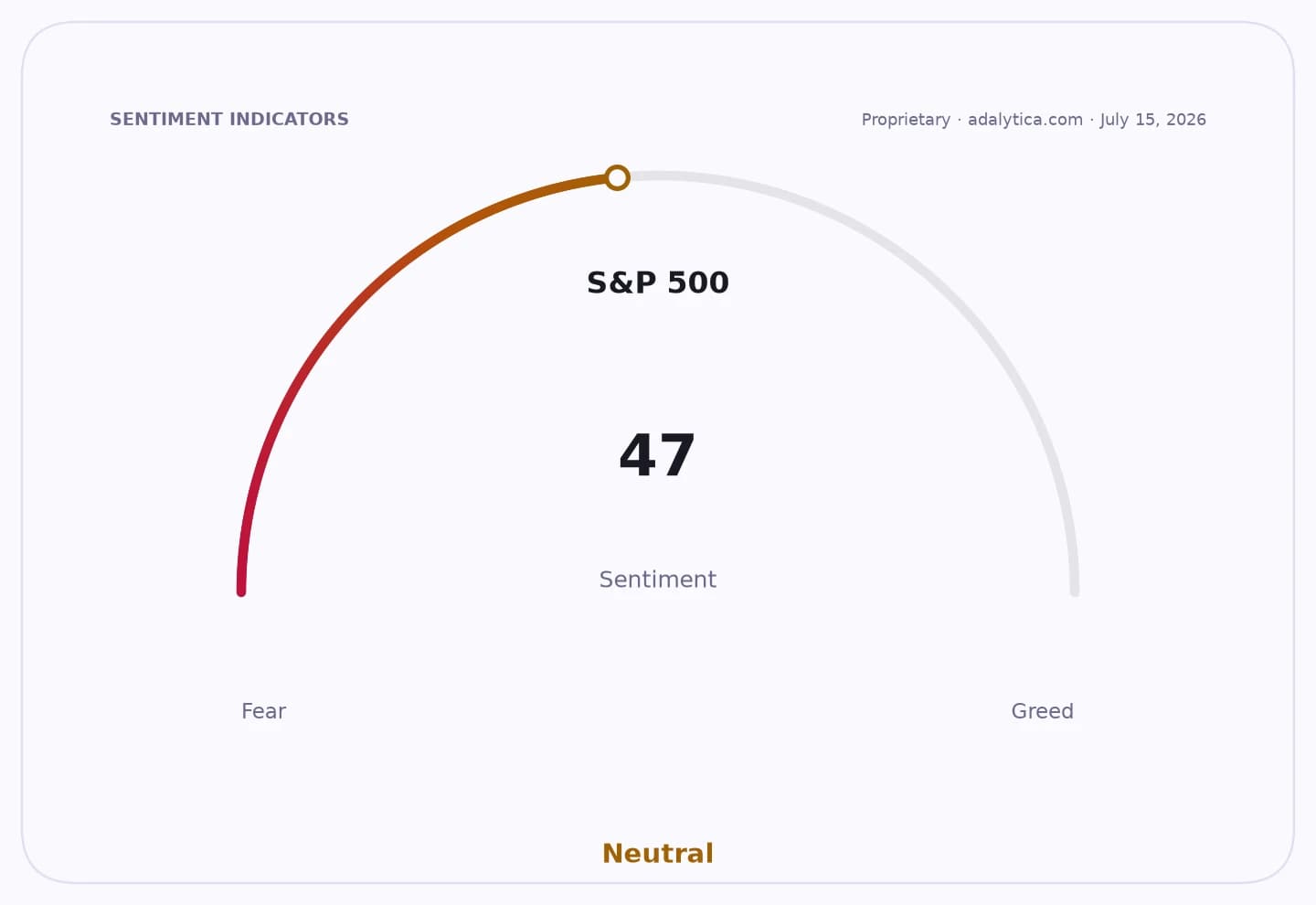
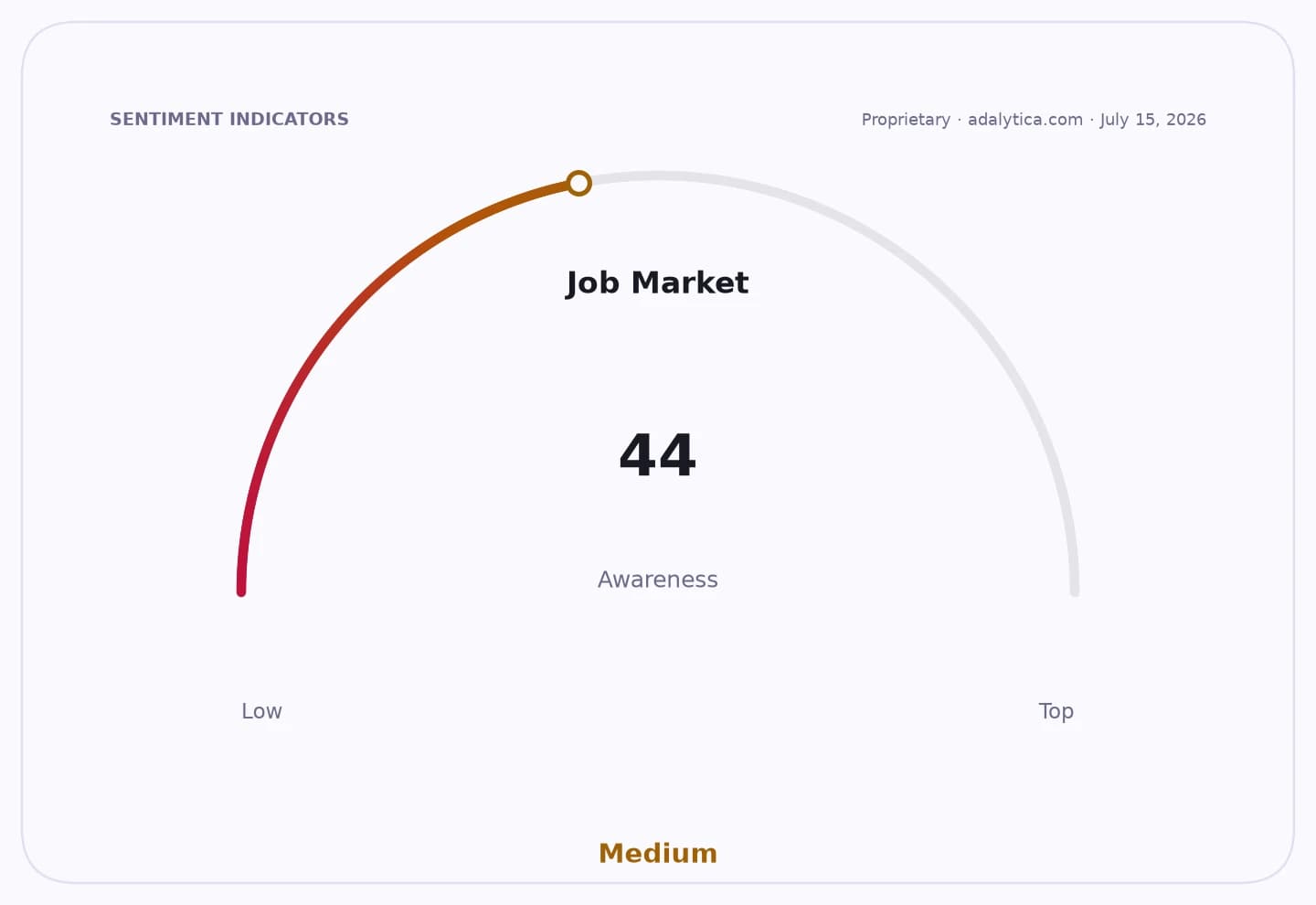
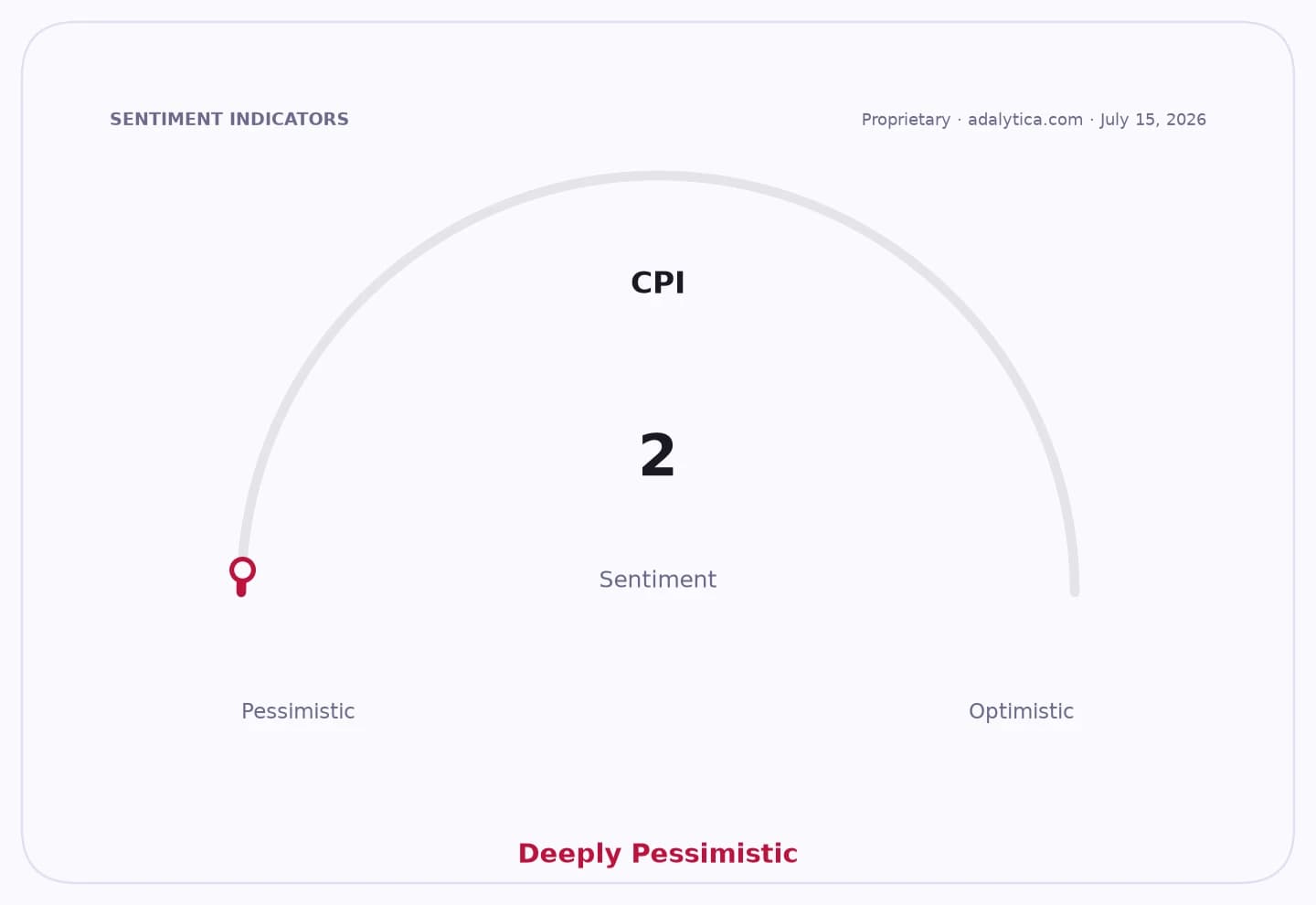
Sentiment IndicatorsⓘProprietary · adalytica.com · September 23, 2026
This is a snapshot — live sentiment, awareness and momentum for 130+ markets update continuously in the dashboard.Open AlphaPulse
For policymakers, the report is a reminder that nominal progress does not always translate into broad-based relief. Households are earning more on paper, but food, energy, housing and insurance costs have absorbed much of the improvement. That helps explain why consumer sentiment remains fragile even as the labor market has continued to generate income gains. Adalytica’s long-term inflation expectations gauge is neutral, but confidence in the Fed’s 2% target remains in extreme fear territory, underscoring how little trust households appear to have that price pressures are truly contained.
The gender breakdown also points to a labor market still normalizing unevenly. Women’s pay rose 3.2% in 2025 while men’s slipped slightly, narrowing the gap to about 84 cents on the dollar from less than 81 cents a year earlier. That is progress, but the persistent wage gap means the benefits of income gains are still distributed unevenly across the workforce.
For investors, the data argues for caution on the idea that a record income print alone will unlock a new consumer-led acceleration. Higher household earnings support spending power, but the pace of improvement remains too slow to imply a strong discretionary-demand surge, especially if essentials continue to take a larger share of budgets. Adalytica’s wage inflation gauge remains in fear, a sign that markets are still wary of stickier labor costs even as households feel squeezed by prices.
The broader narrative is straightforward: the US economy has moved past the pandemic income shock, but inflation has left the median household almost back where it started. That mix is likely to keep pressure on politicians, restrain consumer confidence and shape the spending patterns investors watch most closely heading into the next round of inflation and labor-market data.
| Entity | Gains | Losses |
|---|---|---|
| US households | ▲Higher nominal income | ▼Little real purchasing-power relief |
| Female workers | ▲Narrower pay gap | ▼Still below male earnings |
| Consumer discretionary retailers | ▲Steady incomes support spending | ▼Inflation-weary shoppers remain cautious |
| Fed/Policymakers | ▲Evidence of income recovery | ▼Weak confidence in price stability |