India’s wholesale inflation surged to a 44-month high of 9.87% in June, signaling that price pressures are broadening just as the rupee sinks to record lows and policymakers face mounting pressure to contain the fallout from higher energy costs.
India Inflation Spike Pressures Rates and Rupee
The spike matters because wholesale prices often feed into consumer inflation, corporate input costs and eventually margins, especially in fuel-intensive sectors. With Brent-linked fuel and energy costs rising sharply, businesses are facing a heavier bill for transport, manufacturing and distribution at a time when the economy is already absorbing currency weakness and a wider trade deficit.
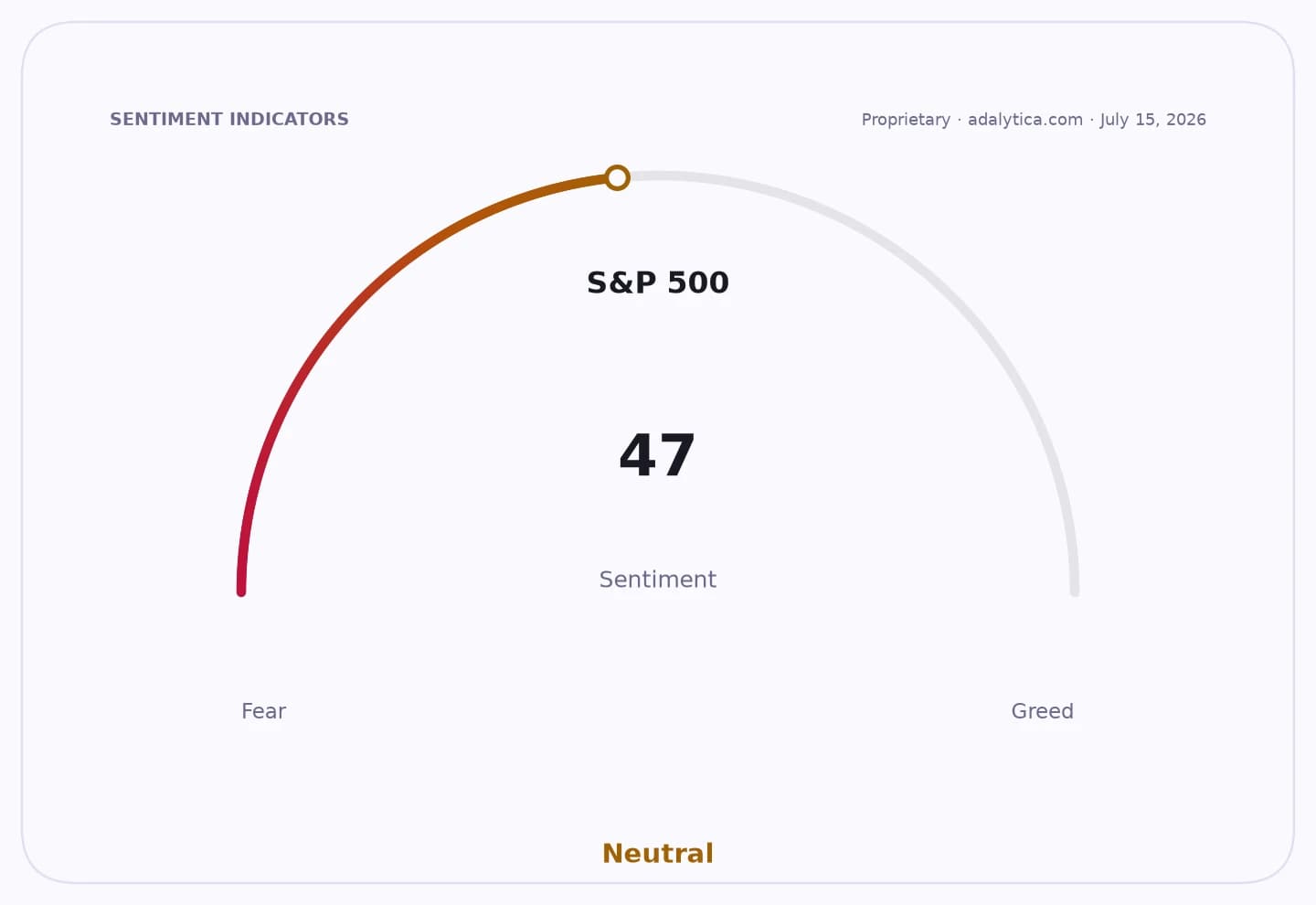
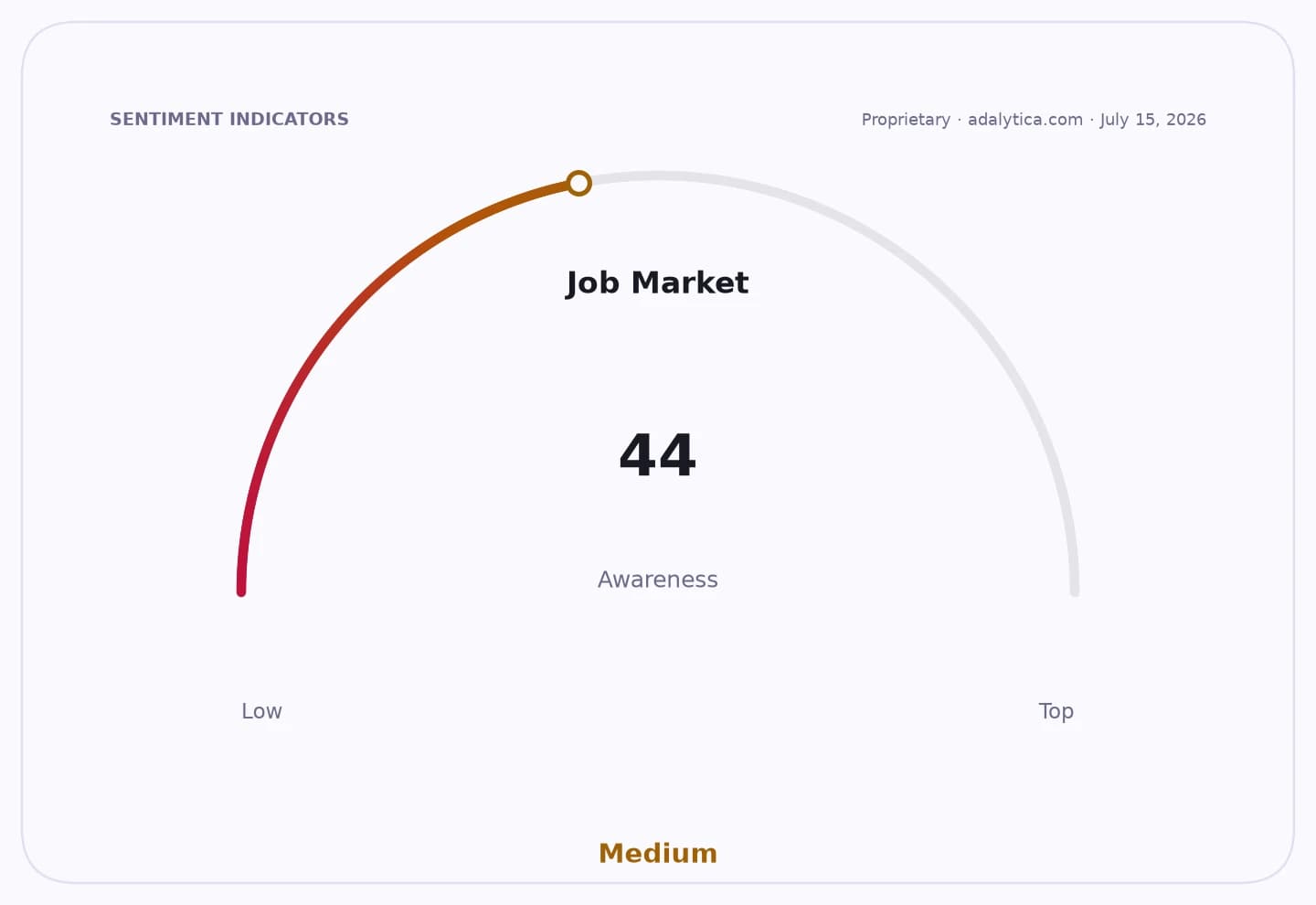
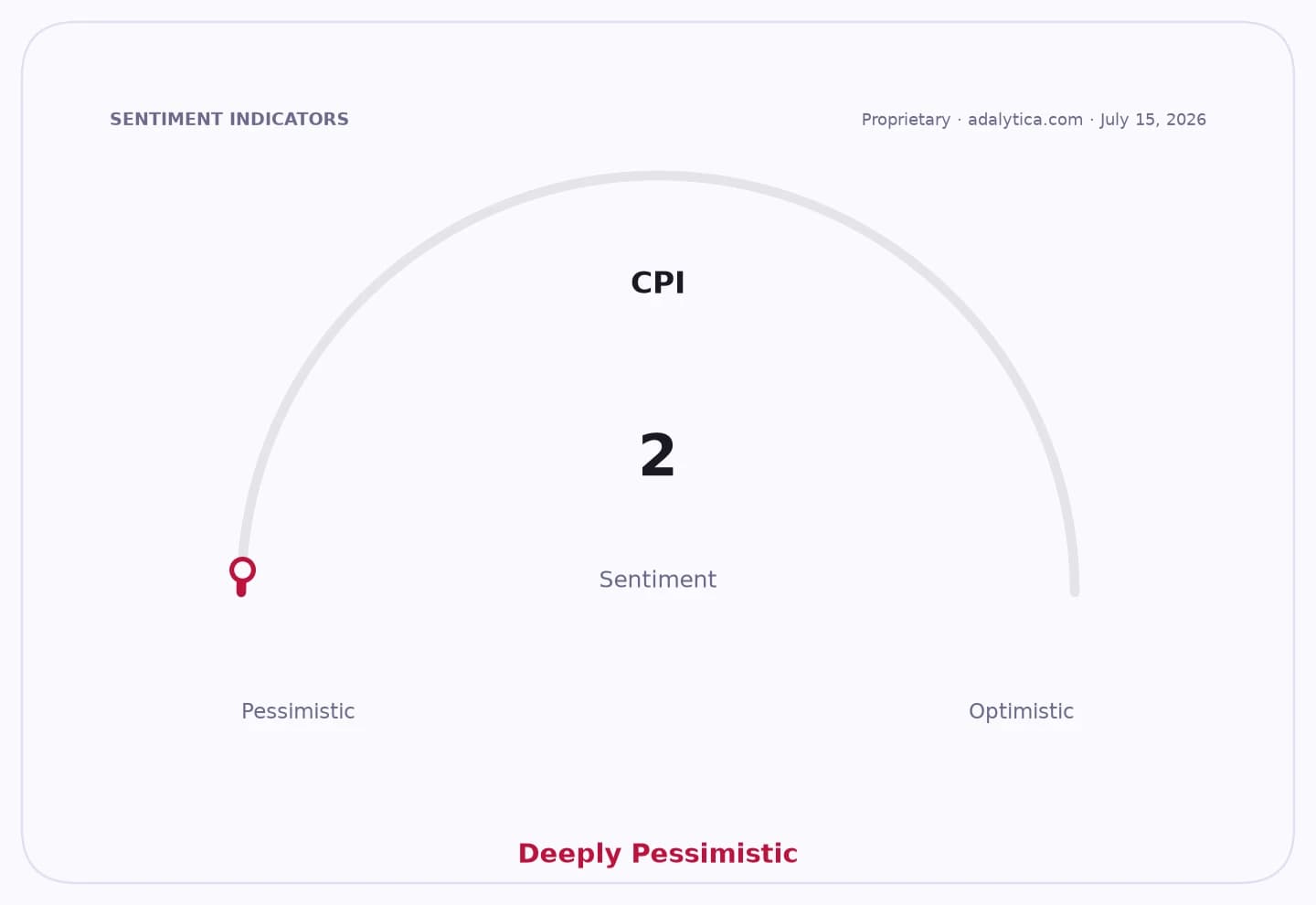
Sentiment IndicatorsⓘProprietary · adalytica.com · July 15, 2026
This is a snapshot — live sentiment, awareness and momentum for 130+ markets update continuously in the dashboard.Open AlphaPulse
The macro backdrop is deteriorating fast. India’s consumer inflation has also moved above the Reserve Bank of India’s 4% target, while the rupee has slid to 96.22 against the dollar, near the week’s record trough. The combination is forcing the RBI to balance growth support against the risk of a second inflation wave, a task made harder if global oil stays elevated.
For markets, the message is clear: higher inflation raises the odds of sticky rates, tighter financial conditions and pressure on rate-sensitive assets. Indian importers, airlines, refiners and consumer companies with thin pricing power are most exposed, while exporters may get some relief from the weaker rupee. Indian bond yields could stay elevated if inflation expectations keep drifting higher.
The political fallout is already visible, with Congress criticizing the Modi government over the surge in prices. For investors, that adds a policy layer to the macro story: if inflation remains hot, New Delhi may face pressure to lean harder on subsidies, taxes or supply-side measures, all of which can affect fiscal discipline and market sentiment.
The next catalyst is the RBI’s response and the July inflation print. If oil prices hold near current levels and the rupee remains under pressure, markets may start pricing in a longer stretch of elevated inflation and slower policy easing.
| Entity | Gains | Losses |
|---|---|---|
| Energy exporters | ▲Higher realized prices | ▼— |
| Indian consumers | ▲— | ▼Higher living costs |
| RBI | ▲Policy urgency | ▼Room to ease |
| Importers and margin-sensitive firms | ▲— | ▼Input-cost pressure |