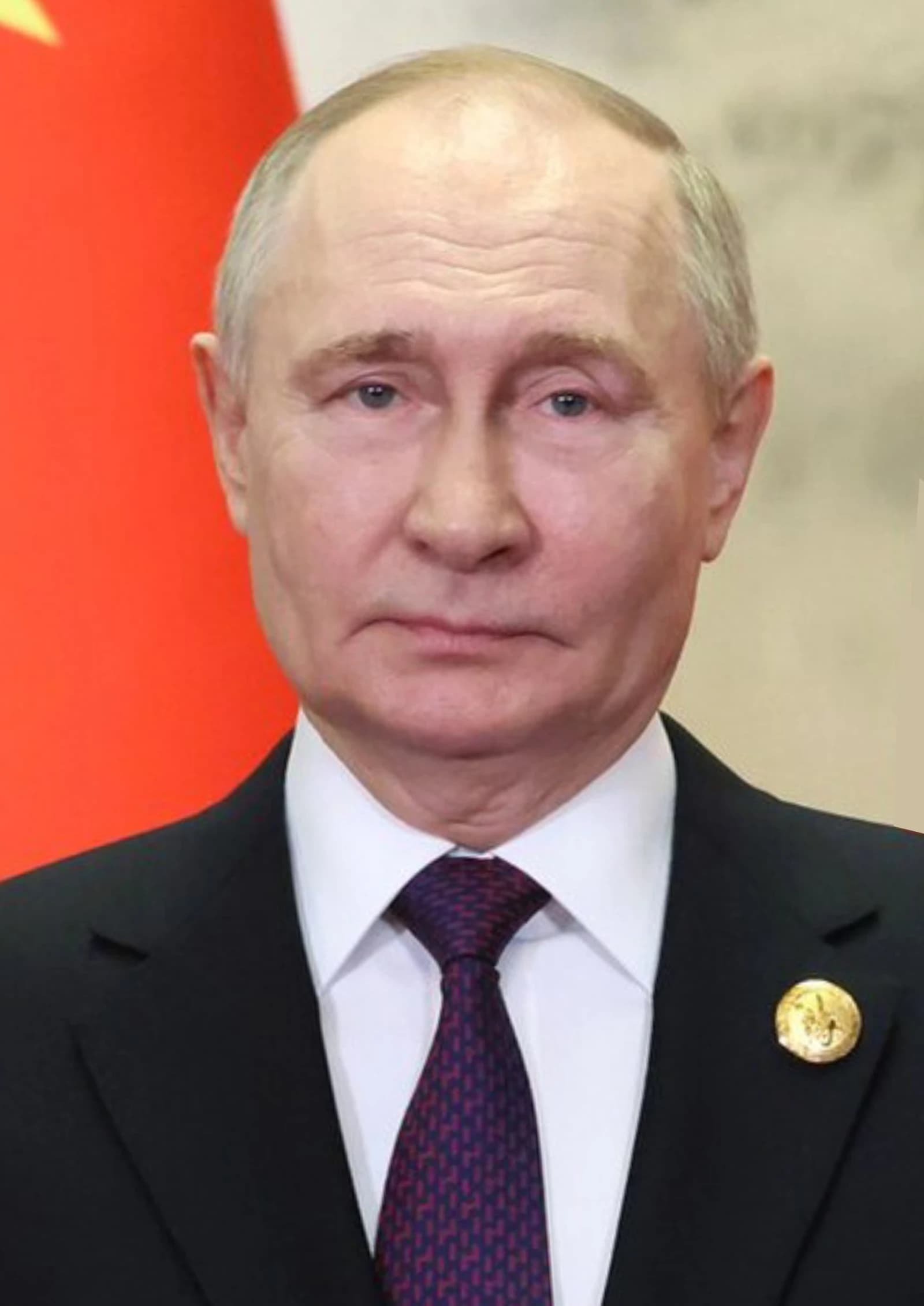
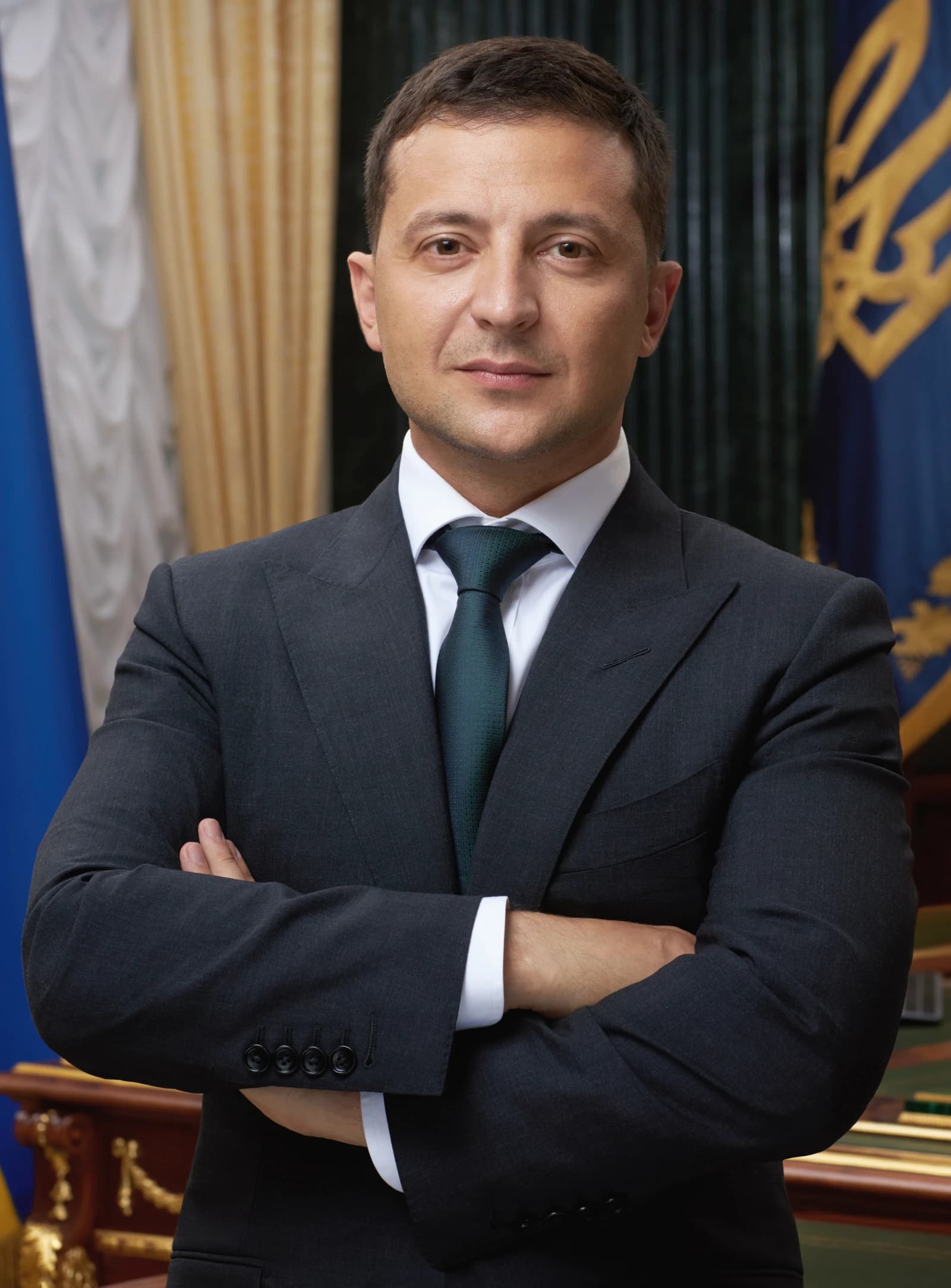
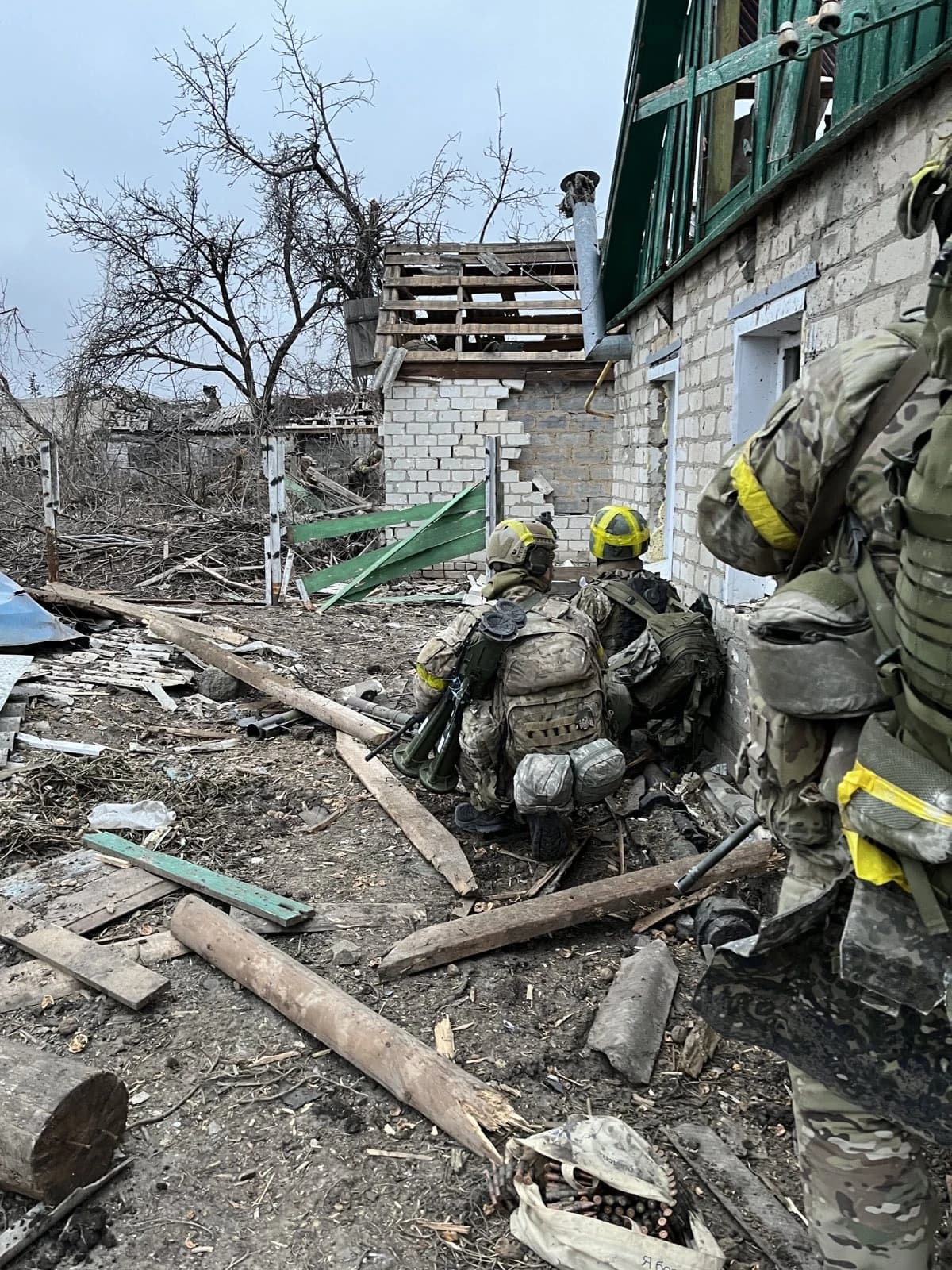
Ukraine said Russia suffered its heaviest monthly losses since the full-scale invasion began, a claim that, if broadly accurate, points to a war that is becoming costlier for Moscow in manpower even as the fighting remains strategically attritional.
Ukraine says Russia took heavy October losses
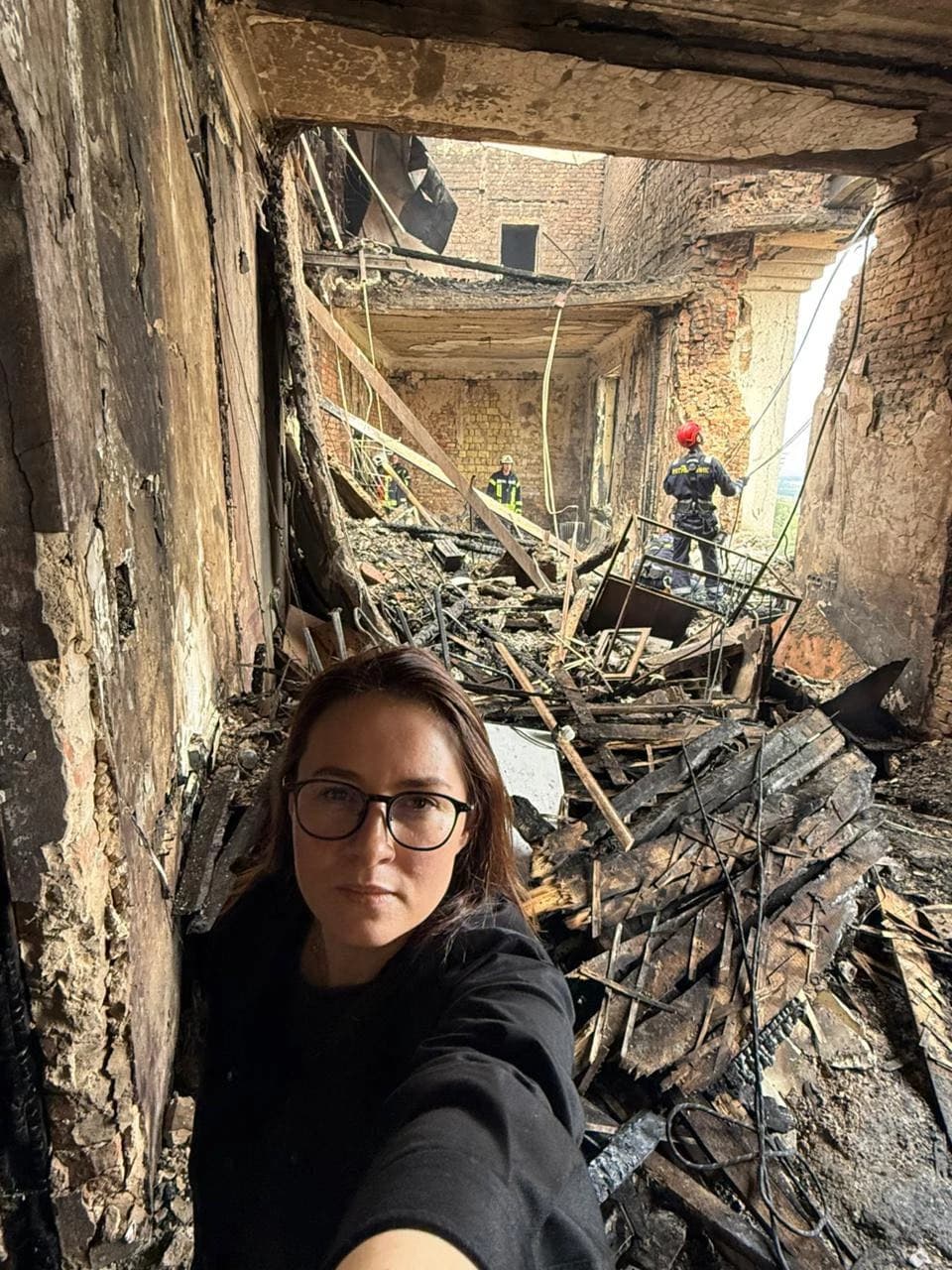
Kyiv said Russian forces lost about 54,400 troops killed, wounded or missing in October, up 8,170 from September and the highest monthly total since February 2022. President Volodymyr Zelenskiy said Ukrainian forces also retook more territory than Russian troops captured during the month, framing the figures as evidence that Russia is paying more for incremental gains.
Sentiment Indicators
The numbers cannot be independently verified, but they matter because manpower pressure has been one of the clearest constraints on Russia’s ability to sustain offensive operations at the current tempo. Ukraine’s military says the pace of Russian losses now exceeds Moscow’s capacity to replenish its ranks, raising the likelihood that the Kremlin will lean more heavily on recruitment, mobilization and prison recruitment to keep assault units supplied.
That would have broader economic and political implications inside Russia. Higher battlefield attrition increases the fiscal burden of the war through pay, bonuses, benefits and support for wounded troops, while also tightening labor supply in an economy already running hot and short of workers. A larger mobilization drive could further strain industries that depend on young male labor and add to inflationary pressure in a system already coping with sanctions, defense spending and a weak rouble.
Kyiv also said Russian advances were limited relative to Ukrainian gains in October, with Ukraine recapturing 96.2 square kilometers compared with 85.8 square kilometers occupied by Russian forces. Ukrainian units, including the Azov corps, said some of the heaviest Russian losses came around Dobropillia in the Donetsk region, one of Moscow’s key offensive sectors.
For investors, the story is less about immediate market price action than about the durability of the war’s economic shock. Sustained Russian losses raise the odds of a longer conflict, more defense spending, tighter sanctions enforcement and continued volatility in energy, grain and shipping markets. Any sign that Moscow needs a new mobilization push would also be a reminder that the Kremlin is still willing to absorb economic pain to maintain battlefield pressure.
The longer the war grinds on, the more the central questions shift from territory alone to the capacity of each side to replace losses, fund operations and preserve domestic stability. If Kyiv’s figures are directionally correct, October suggests Russia is still advancing, but at a human cost that may be increasingly hard to sustain.
| Entity | Gains | Losses |
|---|---|---|
| Ukraine | ▲stronger defensive narrative | ▼war continues |
| Russia | ▲battlefield pressure | ▼manpower, fiscal room |
| Kremlin war effort | ▲continued offensive tempo | ▼replenishment burden |
| Defense contractors | ▲higher demand | ▼— |