Ukraine’s survival against Russia is increasingly being framed not just as a geopolitical cause, but as a costly form of insurance that may have spared Washington trillions of dollars in future war and deterrence spending.
Ukraine aid boosts defense stocks and deterrence

That is the central argument in a new opinion piece anchored by professor Timothy Snyder’s critique of Donald Trump’s claim that US support for Kyiv produced “nothing” for America. The article says the opposite: that roughly $150 billion in direct US support has helped cripple Russia’s military, kept Moscow from breaking through in Ukraine and, in doing so, reduced the chance of a far more expensive NATO confrontation.
Sentiment Indicators
The economic case rests on the scale of the risk being avoided. Citing the American Enterprise Institute, the piece says a world in which Russia prevails could force about $808 billion in additional US defense spending over five years. It also cites an AI-based estimate that, if Russian forces had defeated Ukraine and Washington then joined a conventional NATO-Russia war at roughly half intensity, US costs could reach $2 trillion to $3 trillion — a bill that would dwarf current aid.
That is why the issue matters to markets. The story argues Ukraine has not simply absorbed Western aid, but has destroyed a large share of Russia’s conventional combat power in the process. The Center for Strategic and International Studies estimates Russia has suffered about 1.4 million casualties, including 450,000 deaths, and lost one-third to one-half of its pre-invasion major combat equipment. That attrition makes any rapid Russian move against NATO less likely and supports a longer period in which European governments must spend more on rearmament.
For investors, that keeps defense demand in focus. Shares of Lockheed Martin, RTX and Northrop Grumman have all been buoyed by the broader rearmament theme, with recent technical readings showing strong momentum and, in Lockheed’s case, an RSI above 87, usually associated with overbought conditions. RTX and Northrop have also traded above their 50-day and 200-day moving averages, while recent volumes and price action suggest investors continue to price in stronger weapons demand tied to Europe’s security shock and Ukraine replenishment orders.
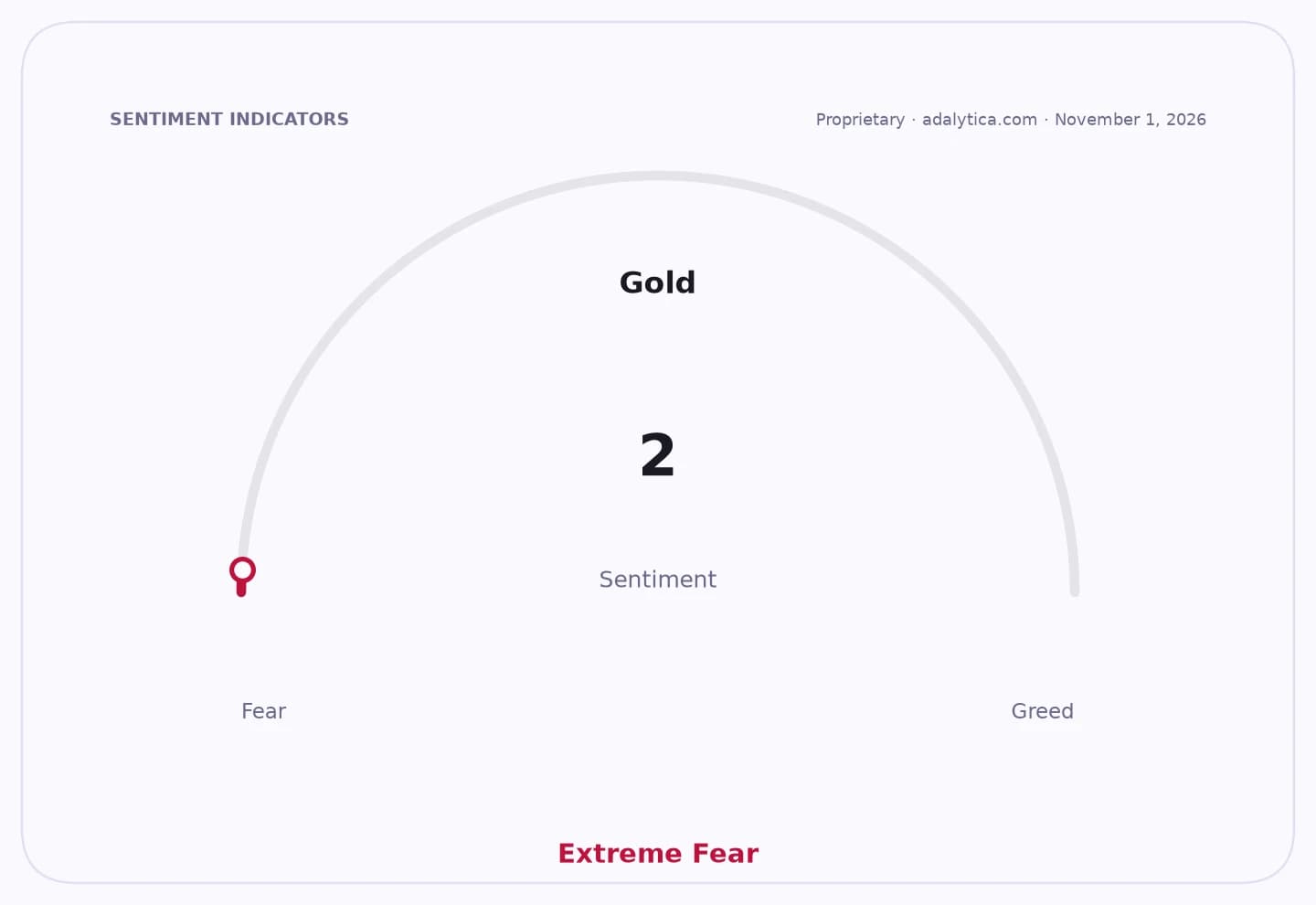
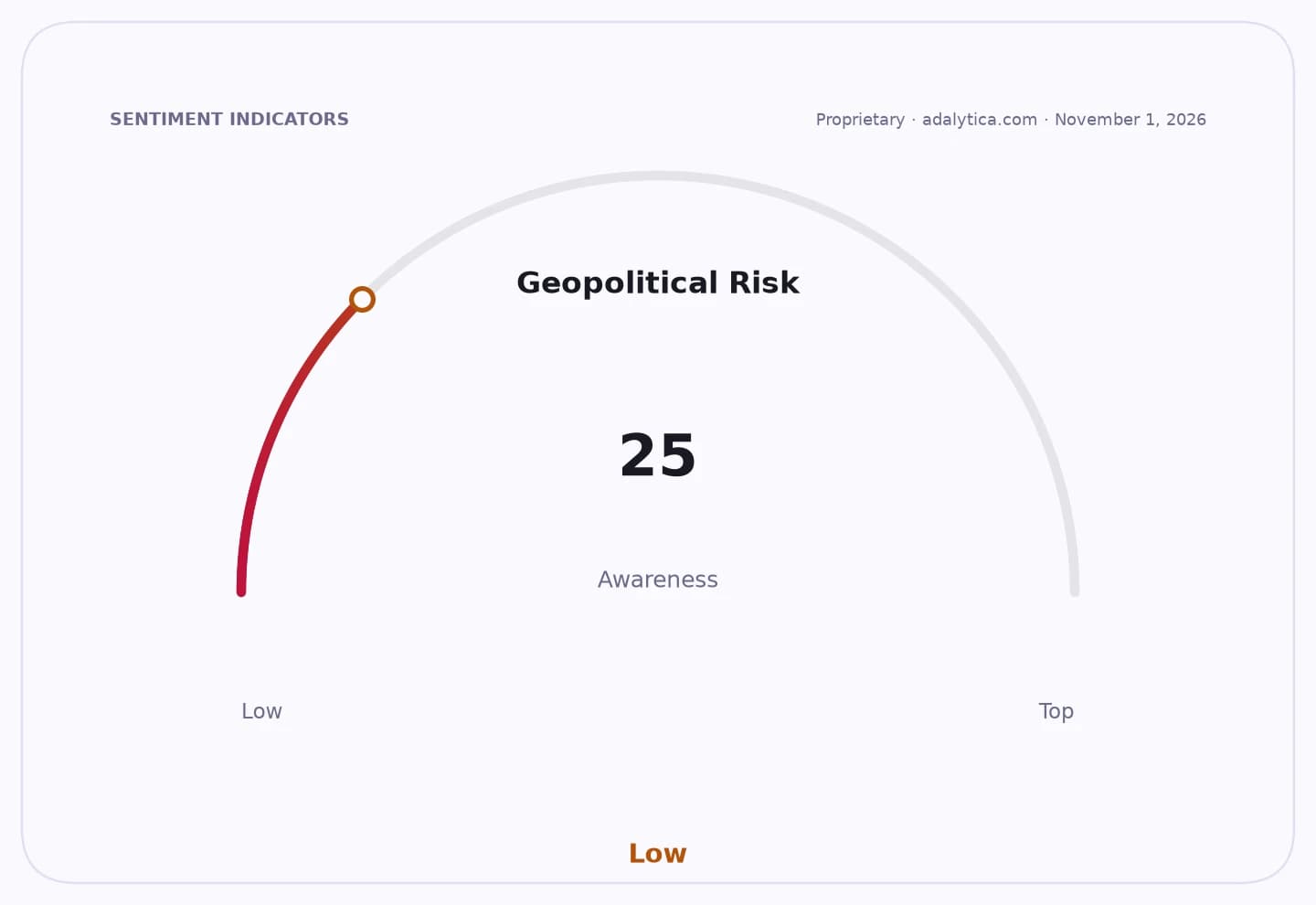
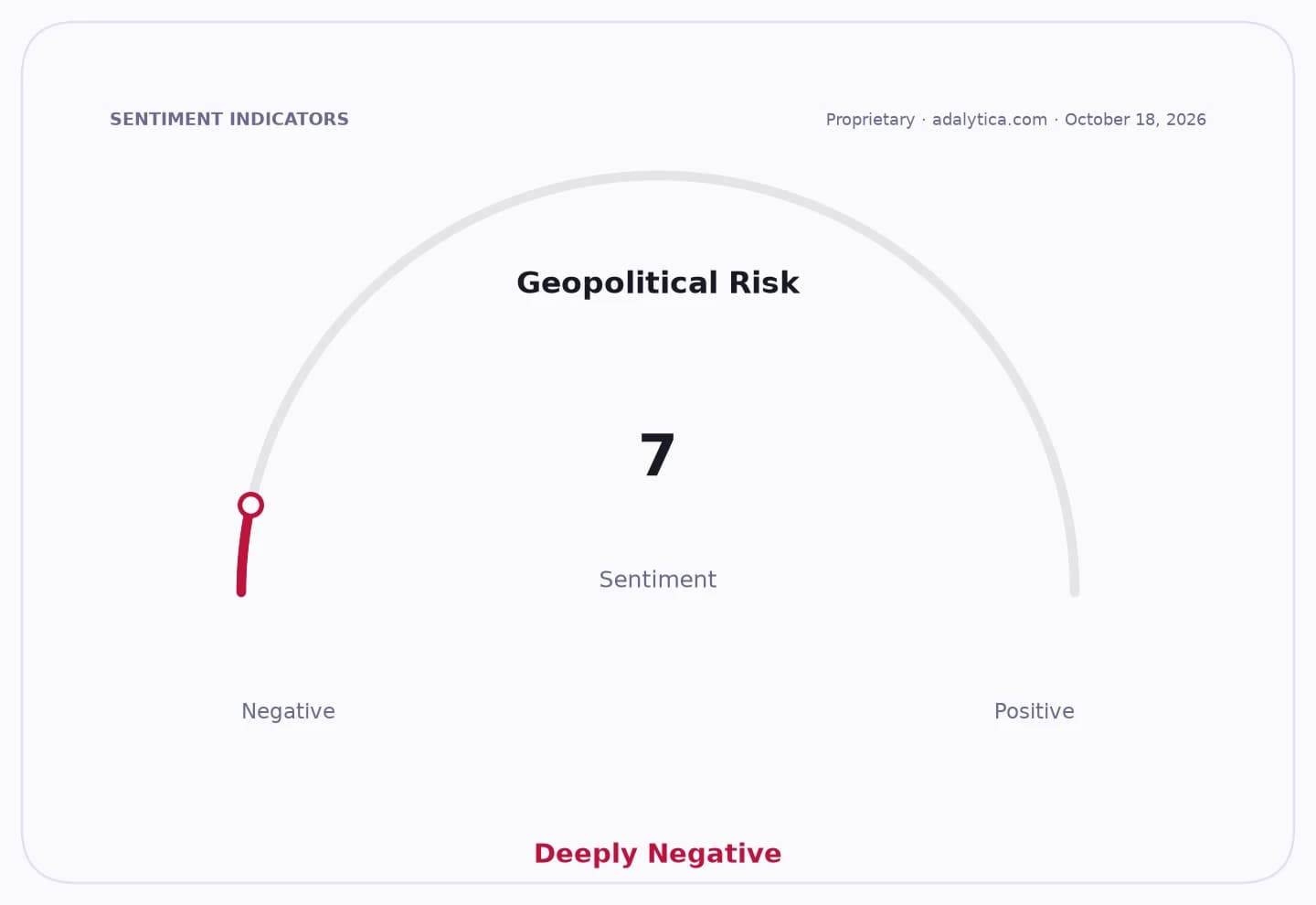
The broader market backdrop also fits the argument that geopolitics is now a structural driver of capital allocation. US Treasury bond sentiment in Adalytica’s gauge sits at 100, indicating extreme greed for Treasuries even as the dollar’s sentiment reading has fallen into extreme fear. That suggests investors are still balancing higher defense spending, persistent geopolitical risk and a growth environment where security outlays remain politically easier to justify than many domestic programs.
The bull case for the article’s thesis is straightforward: aid to Ukraine has bought time, degraded Russia’s military and reduced the probability of a much larger and more expensive clash later. The bear case is that the savings are hypothetical and depend on assumptions about how Russia, NATO and Washington would have behaved in a different world. But even with those caveats, the narrative is clear — Ukraine aid is increasingly being measured less as charity and more as a strategic expense that has already altered the balance of military power in Europe.
For investors, that means continued scrutiny of US and European defense budgets, replenishment cycles and contract awards. If lawmakers treat Ukraine support as a down payment on deterrence, the beneficiaries are likely to remain the major defense primes and their suppliers, while the cost of underfunding European security would fall on taxpayers, bond markets and, ultimately, the broader economy.
| Entity | Gains | Losses |
|---|---|---|
| Ukraine | ▲Security support | ▼Russian military pressure |
| US/NATO | ▲Lower future war costs | ▼Near-term budget outlays |
| Lockheed Martin, RTX, Northrop Grumman | ▲Higher defense demand | ▼Less urgency if conflict eases |
| Russia | ▲None | ▼Equipment, troops, deterrence capacity |