NATO chief Mark Rutte and Ukrainian President Volodymyr Zelensky are trying to keep alive a fragile energy ceasefire with Russia just as Moscow’s latest strikes show the truce has little market value unless it can be enforced.
Ukraine energy attacks keep oil and gas volatile
The immediate economic issue is not diplomacy, but whether Ukraine’s power system can survive another winter without a sustained pause in attacks on generation and transmission assets. Russia’s latest barrage hit Kyiv and other energy infrastructure a day after President Donald Trump announced an energy truce that neither side has formally confirmed, underlining how quickly ceasefire headlines can collide with battlefield reality.
Sentiment Indicators
For investors, that matters because every failed pause in energy attacks keeps a risk premium embedded in oil, gas and European utility markets, while extending the outlay on air defenses, grid repair and emergency power equipment. It also reinforces the case for defense contractors, missile-interceptor suppliers, grid hardening firms and LNG-linked assets that benefit when Europe’s security and energy systems remain under stress.
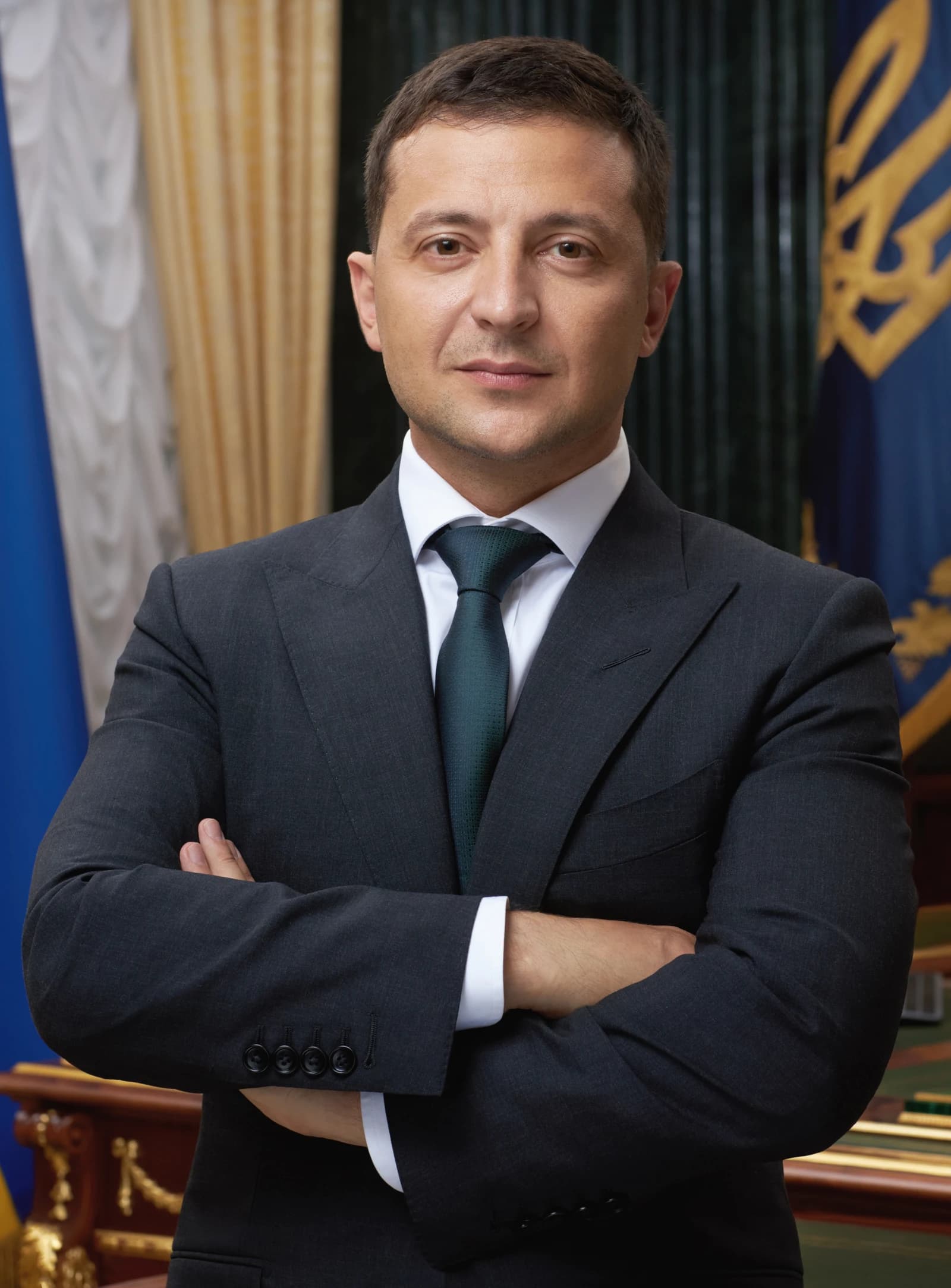
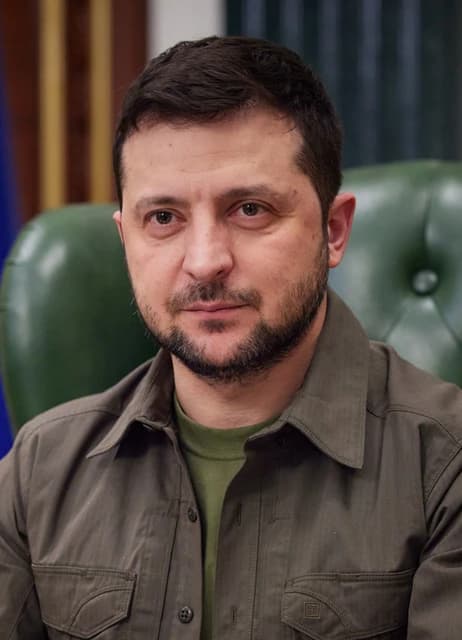
Rutte said in Brussels that he and Zelensky discussed “the importance of implementing the energy ceasefire,” while also reviewing continued NATO support through the alliance’s PURL mechanism, which lets allies buy U.S. military hardware for Ukraine. Zelensky, meanwhile, said Russia’s response had been “new waves of attacks” on energy facilities, apartment blocks and other infrastructure, and complained that restrictions on Starlink operations in Ukraine are adding to the challenge.
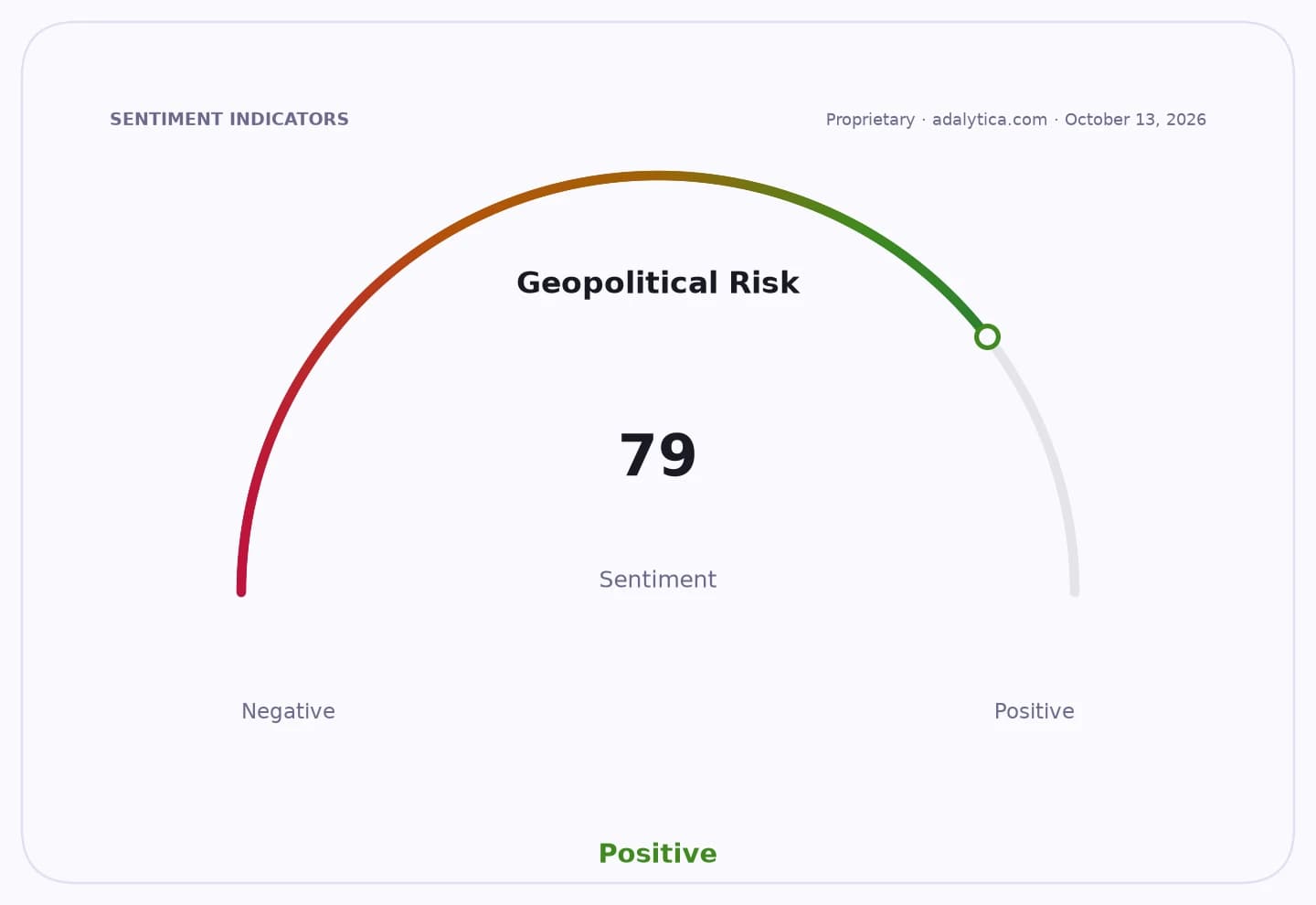
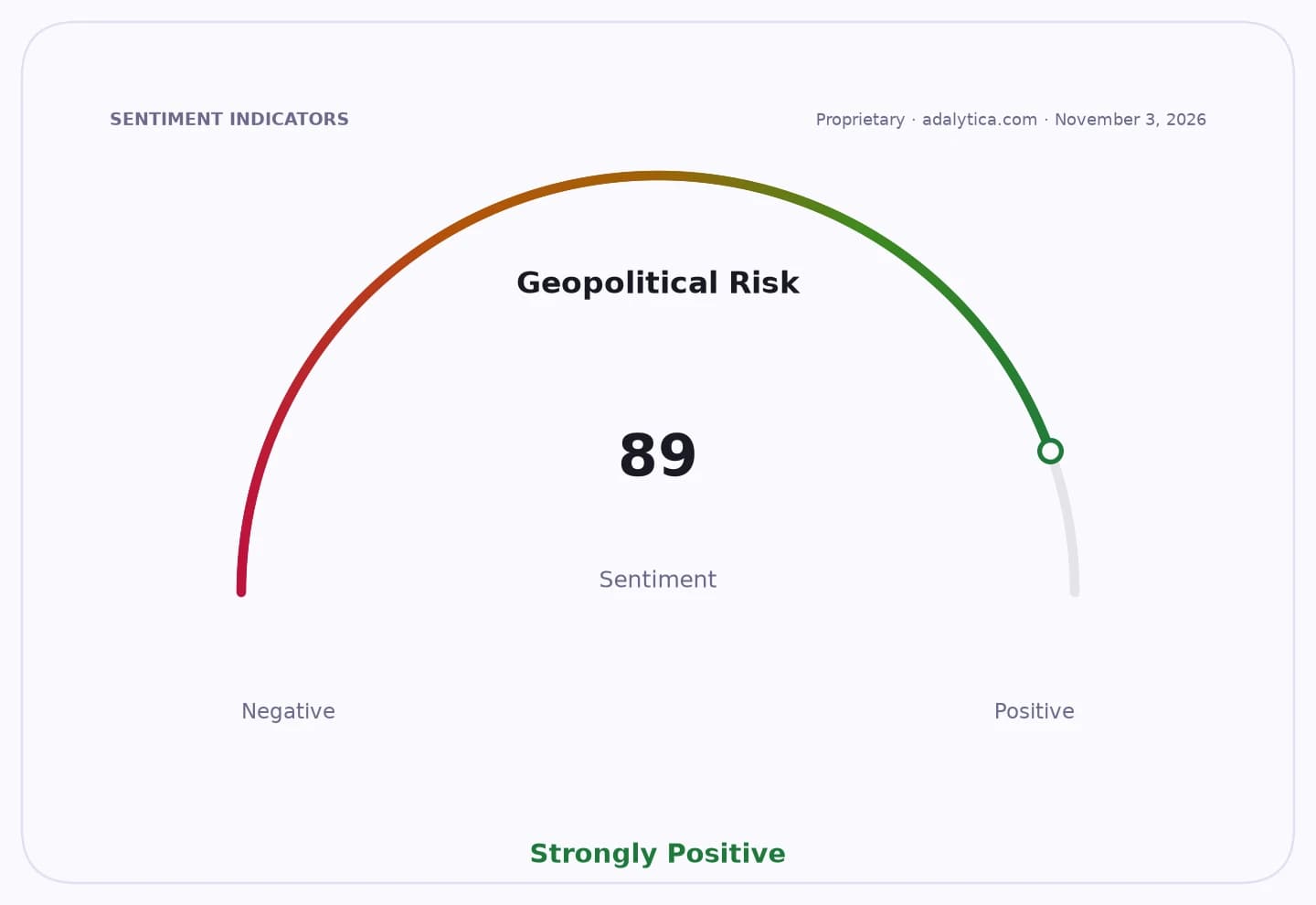
Geopolitical Risk vs UNGadalytica.com
Explore this data interactively — full history, time series and cross-market comparisons.
Geopolitical Risk
The timing is critical. Kyiv said Russian missiles hit three thermal power plants in the capital and its surrounding region, forcing emergency outages in Kyiv and Kharkiv. That followed what Ukraine called the first major attack on its electric system since Trump’s truce announcement, while Moscow separately said it had downed 166 Ukrainian drones over 13 regions and Crimea and accused Kyiv of striking refineries in Ryazan and Saratov.
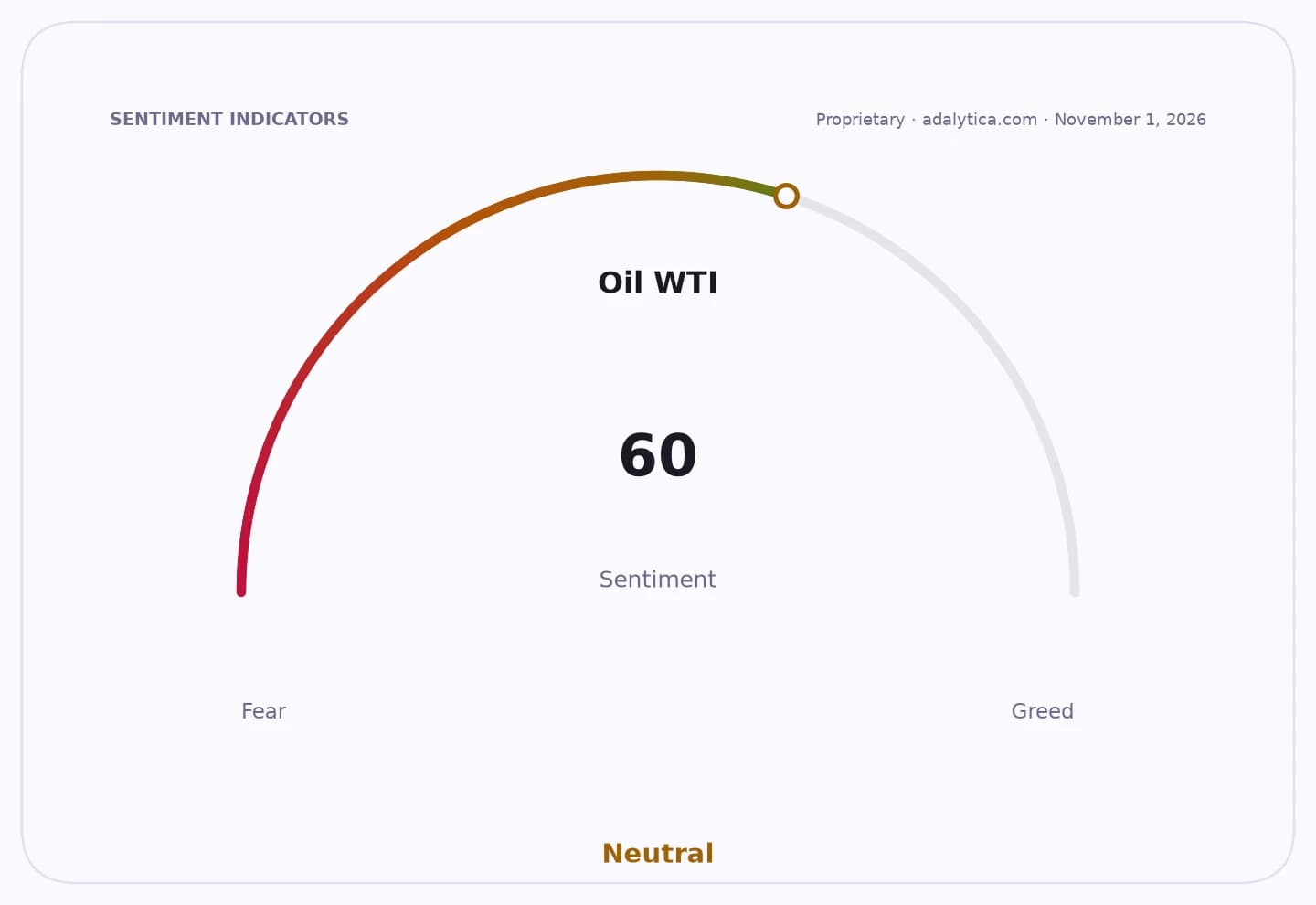
The message for markets is simple: the energy war is not easing, it is adapting. If power plants and refineries remain targets, the region’s fuel balances stay volatile, insurance costs remain elevated and crude traders keep a geopolitical bid under prices. That helps explain why WTI crude is still near $102.5 a barrel in the current data, with U.S.-listed oil vehicles holding firm and Exxon, Chevron, Shell and their service chains retaining leverage over any escalation.
Natural gas is also being pulled back into the trade. UNG, the U.S. natural gas ETF, has risen to $10.66 from $10.45 in the prior two sessions, while its 50-day moving average sits just above the latest price and momentum indicators remain close to neutral. That tells me gas is not yet pricing a full-blown supply shock, but it is also not discounting peace. In Europe, the same dynamic keeps the euro supported on safe-haven and energy-import sensitivity, even as stability sentiment remains weak.
| Entity | Gains | Losses |
|---|---|---|
| Defense contractors | ▲More procurement demand | ▼None from a calm ceasefire |
| LNG and oil producers | ▲Higher geopolitical premium | ▼Risk of weaker pricing if peace holds |
| Grid repair and power equipment firms | ▲Emergency rebuild spending | ▼Less urgency if strikes stop |
| Ukraine and European consumers | ▲Very little | ▼Higher outages and energy costs |