UK renters are being squeezed by the fastest rise in private rents this year just as house price inflation cools, sharpening the divide between those already on the ladder and those trying to get on it.
UK Rents Rise 3.8% as House Price Growth Slows
Average private rents climbed 3.8% in the year to August to £1,400 a month, the Office for National Statistics said, up from 3.7% in July and the strongest annual pace since December. At the same time, average UK house prices rose only 1.4% in the year to July to £273,000, marking a third straight month of slowing growth.
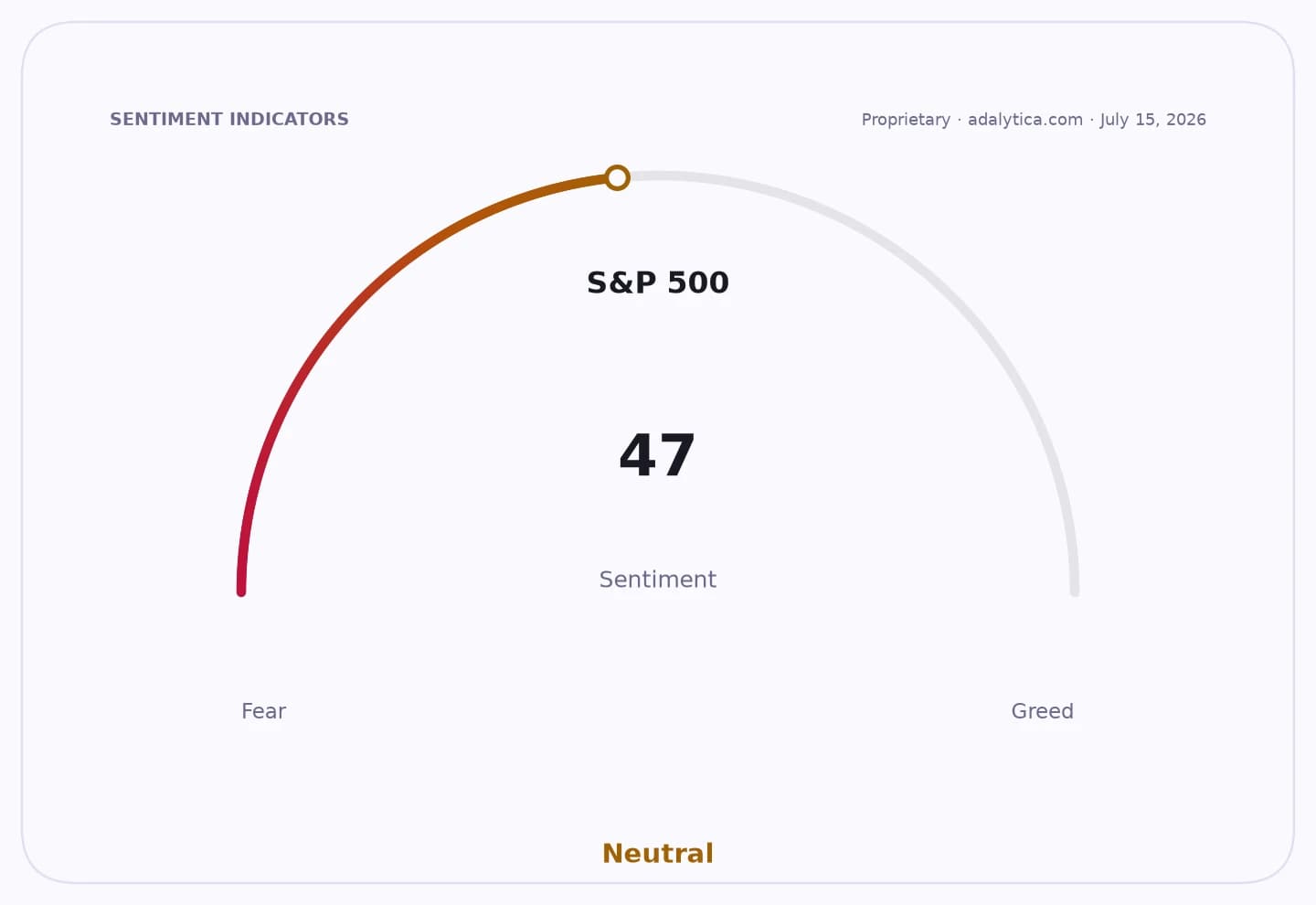
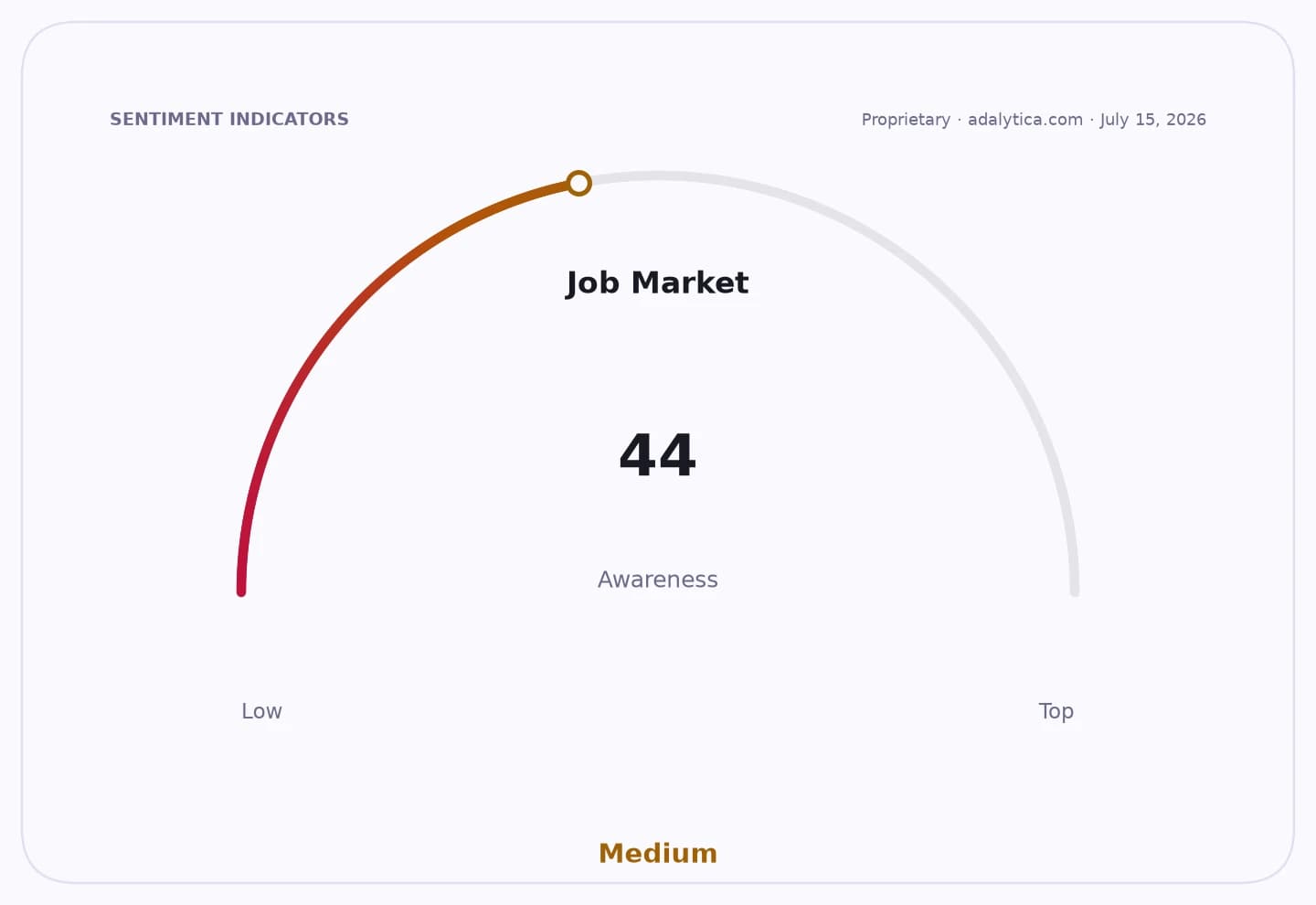
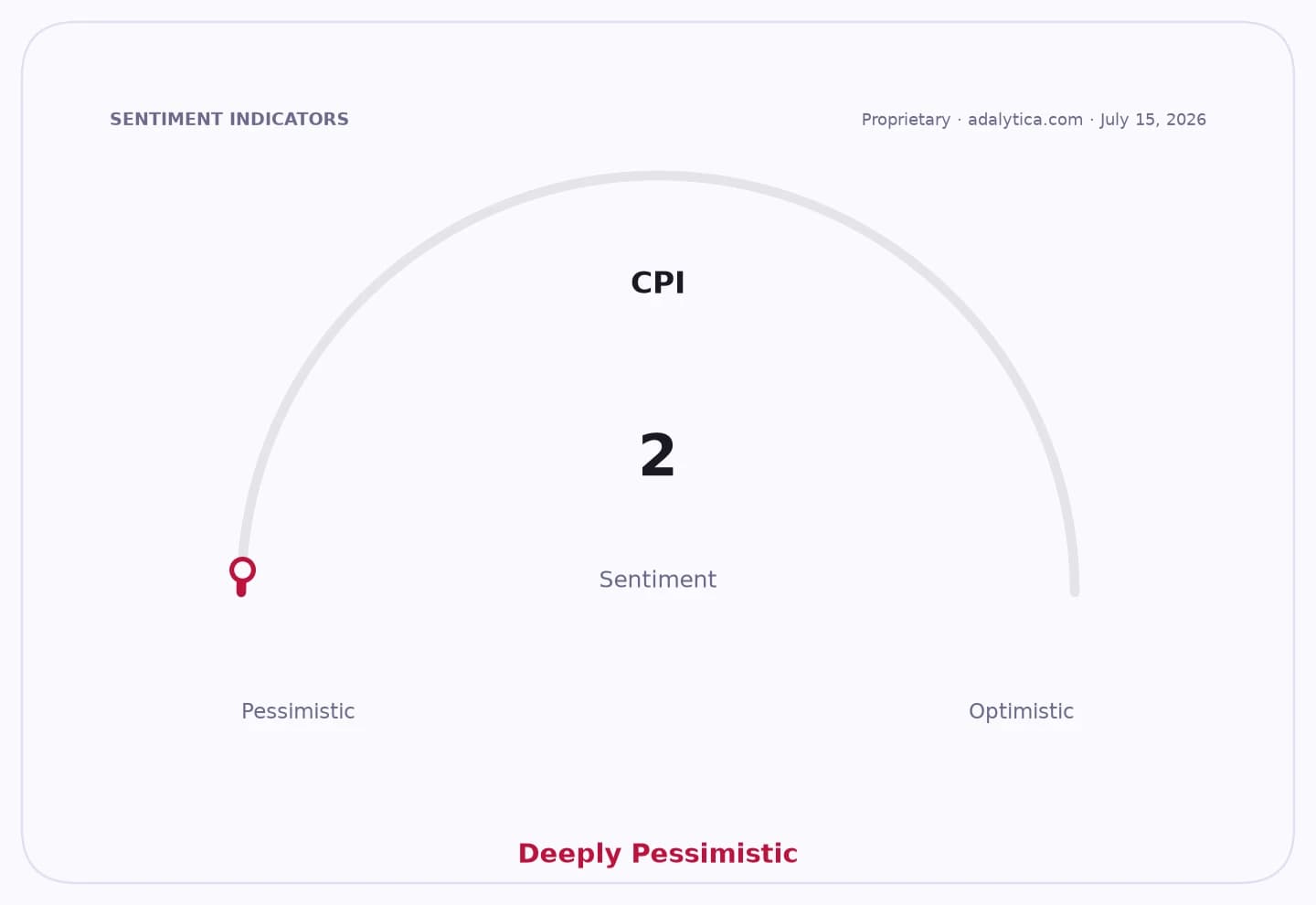
Sentiment IndicatorsⓘProprietary · adalytica.com · September 22, 2026
This is a snapshot — live sentiment, awareness and momentum for 130+ markets update continuously in the dashboard.Open AlphaPulse
That divergence matters because it worsens an already familiar affordability trap. Higher rents reduce the disposable income renters can put toward a deposit, while slower house price growth offers only partial relief if mortgage rates and borrowing constraints remain tight. The result is a market in which paying rent is increasingly delaying ownership rather than bridging the gap to it.
The pressure is broad-based but uneven. In England, average rent reached £1,459, with the North East and North West posting the fastest rental inflation at 5.8%. Wales and Scotland were lower at £846 and £1,013, respectively, but the headline UK figure still points to a housing market split by tenure and access to credit.
Economically, the split reflects two different mechanisms. Rents are being driven by a supply squeeze in the private rental sector, where tenant demand has outpaced available properties. House prices, by contrast, are being held back by affordability, because buyers are constrained by higher financing costs and lender stress tests. That leaves renters exposed to immediate monthly increases even as purchase prices lose momentum.
For policymakers, the figures are another sign that the housing market is not cooling in a way that helps first-time buyers. Slower price growth can improve negotiating power for some purchasers, but it does not solve the bigger problem if rent inflation keeps eroding savings faster than wages and deposits can build.
For investors, the data underline a persistent tension in UK housing. Landlords and rental-home providers may still benefit from pricing power where supply is tight, but the broader sector faces rising political and regulatory scrutiny as renters absorb the cost of the imbalance. For homebuilders and mortgage lenders, softer house price growth can support transaction activity, but only if affordability improves enough to bring sidelined buyers back into the market.
The more enduring story is that the UK housing market is becoming more segmented. Existing owners are protected by fixed-rate mortgages and accumulated equity, while renters face a compounding monthly bill that makes the move to ownership harder each year.
| Entity | Gains | Losses |
|---|---|---|
| Existing homeowners | ▲Fixed housing costs | ▼Less urgency to trade |
| Renters | ▲Slower price growth | ▼Higher monthly outlays |
| Landlords with pricing power | ▲Higher rents | ▼More tenant affordability stress |
| First-time buyers | ▲More negotiating room | ▼Smaller deposit capacity |