Türkiye’s housing market extended its downturn in August, with home sales falling 14.7% from a year earlier to 127,410, a slide that underscores how elevated borrowing costs and strained affordability are cooling one of the economy’s biggest consumer sectors.
Türkiye Home Sales Fall 14.7% in August
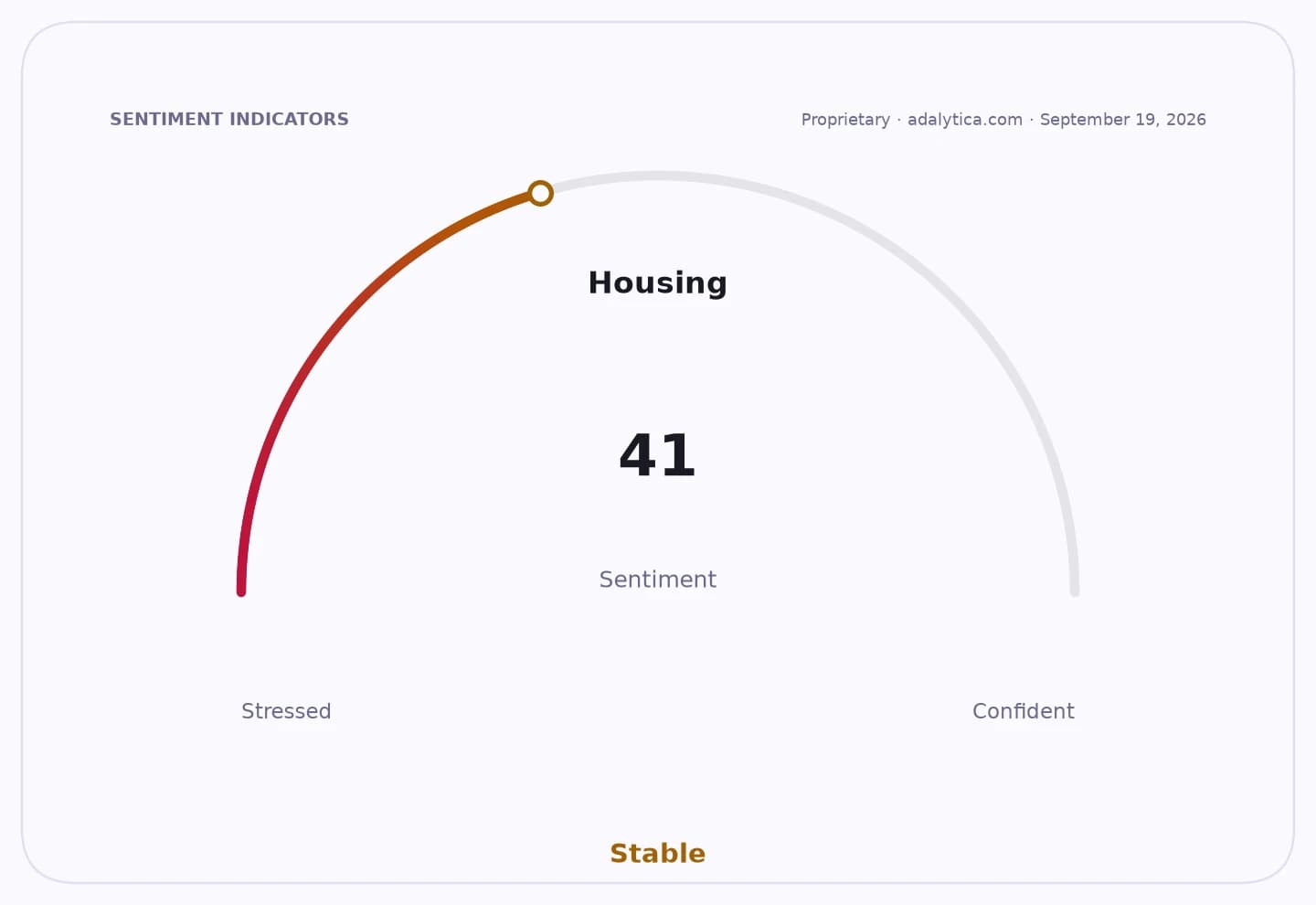
The drop followed a 17% decline in July, suggesting the weakness is not a one-month anomaly but part of a broader slowdown in transactions. For the wider economy, fewer home sales typically mean softer demand for furniture, appliances, construction materials and related services, while also signaling tighter household finances in an environment of expensive credit.
The Turkish Statistical Institute said new home sales fell 4.5% to 44,378, while existing-home sales dropped 19.4% to 83,032. Existing homes accounted for the bulk of the decline, pointing to weaker liquidity in the resale market and more cautious buyers who are waiting for clearer pricing or financing conditions.
Mortgaged sales rose 7.2% to 22,131 and made up 17.4% of all transactions, but the increase did little to offset the broader slump. That mix suggests buyers who can still secure financing are active, but the overall market is being held back by affordability pressures and a still-restrictive credit backdrop.
The data also matters for investors watching Türkiye’s consumer economy and inflation trajectory. Housing activity is closely tied to demand for construction inputs and to wealth effects for households, while any sustained slowdown can weigh on domestic growth momentum and pricing power across property-related businesses.
Foreign buying was essentially flat at 1,938 homes, but sales to overseas buyers fell 6.3% in the first eight months of the year to 13,141. Russian buyers remained the largest foreign group, followed by Ukrainians and Iranians, indicating that cross-border demand is still present but no longer a meaningful offset to the domestic slowdown.
Commercial property was mixed, with new commercial sales up 5.2% but existing commercial sales down 11.1%, reinforcing the picture of uneven demand across real-estate segments. With mortgage rates still elevated and financing conditions tight, the next read on home sales will help show whether August was a temporary lull or the start of a deeper housing correction.
| Entity | Gains | Losses |
|---|---|---|
| Cash buyers | ▲Greater bargaining power | ▼Less urgency in market |
| Mortgage lenders | ▲Slightly higher loan share | ▼Lower overall loan volumes |
| Homebuilders | ▲Some support from new-home sales | ▼Weaker resale demand |
| Turkish households | ▲Potentially softer prices ahead | ▼Higher affordability pressure |