Turkey has begun demonstration planting of new wheat varieties in Pehlivanköy, a small but economically meaningful step in a broader push to lift crop yields and narrow the gap between local production and rising food demand.
Turkey begins wheat variety demo planting in Pehlivanköy
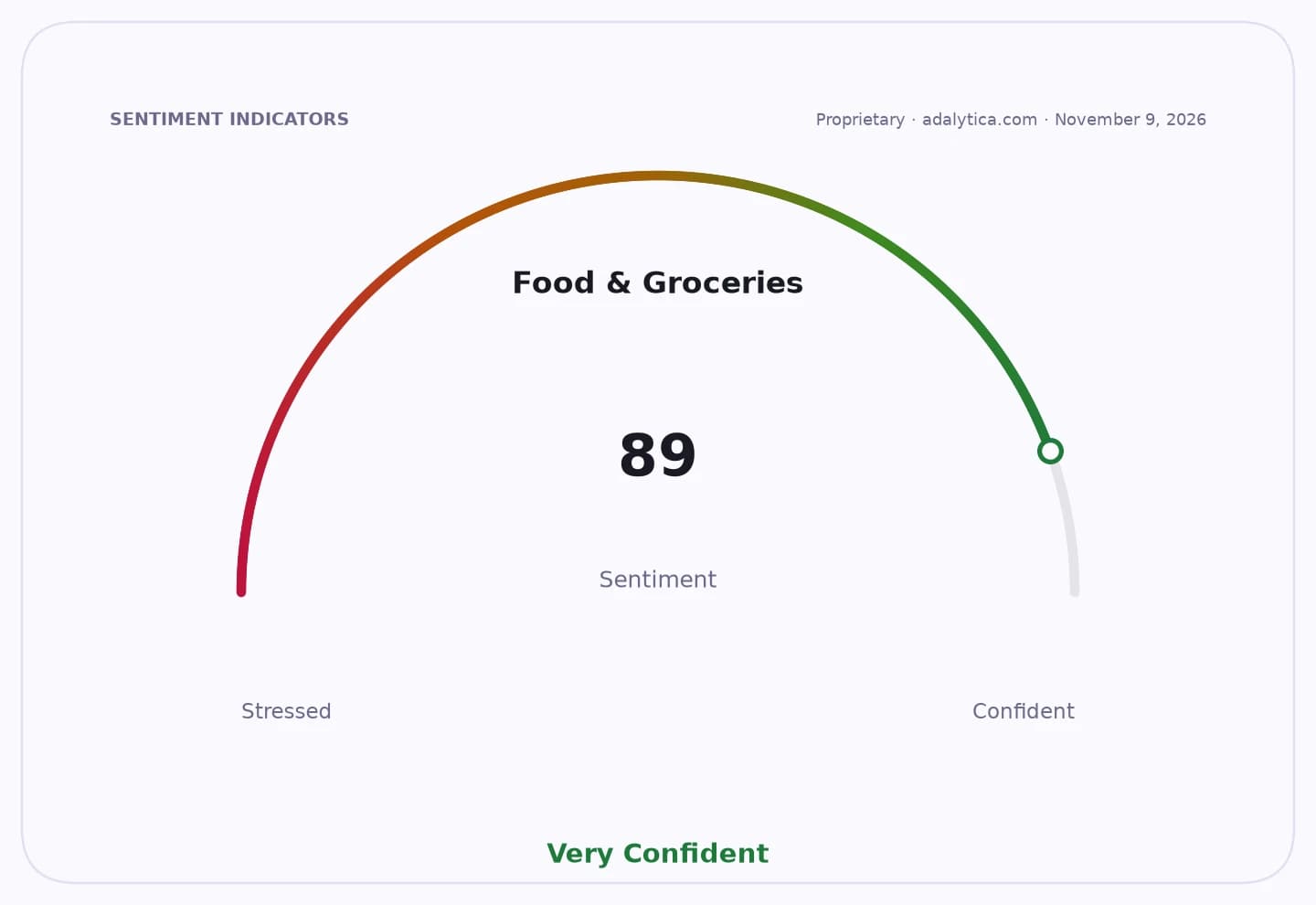
Food & Groceries
The trial in Kırklareli province is designed to measure how different wheat varieties perform under the district’s climate and soil conditions, according to the local agriculture directorate. Officials said the program, backed by the Ministry of Agriculture and Forestry’s research arm, will track growth, yield potential and quality so farmers can compare alternatives before wider planting decisions are made.
Sentiment Indicators
That matters because wheat is one of Turkey’s core staple crops and any improvement in varietal fit can have an outsized effect on farm income, milling demand and import needs. Even modest gains in productivity can help buffer producers against weather volatility, input-cost pressure and patchy rainfall, all of which have been weighing on planting decisions across major growing regions.
The Pehlivanköy plots are part of a low-risk, high-value agronomic test: instead of rolling out a single seed choice nationwide, authorities are using local demonstration fields to see which varieties handle regional conditions best. For farmers, that can reduce trial-and-error costs. For buyers and processors, it can improve consistency in wheat quality and supply.
The move comes against a mixed global wheat backdrop. French soft wheat crops were rated 94% good or excellent at the end of sowing, while other regions have seen planting setbacks from rainfall deficits. At the same time, Chicago wheat futures have been under pressure and are trading near multi-month lows, reflecting a market still focused on supply expectations rather than immediate shortages.
For investors, the significance lies less in the one-off planting event than in what it could mean for the wider agricultural supply chain. Better-adapted wheat varieties support seed developers, farm-input suppliers, millers and grain traders by improving crop resilience and potentially stabilizing volumes in a market that remains sensitive to weather and policy.
If the Pehlivanköy trials show stronger performance, Turkish growers could adopt the varieties more broadly in coming seasons, giving the government a concrete route to lift productivity without expanding acreage.
| Entity | Gains | Losses |
|---|---|---|
| Turkish wheat farmers | ▲Higher-yield seed options | ▼Risk from poor climate fit |
| Ministry of Agriculture | ▲Better variety data | ▼Pressure to prove results |
| Seed researchers | ▲Field validation | ▼Slow adoption if results disappoint |
| Grain buyers/millers | ▲More stable quality and supply | ▼Less upside from tight local supply |