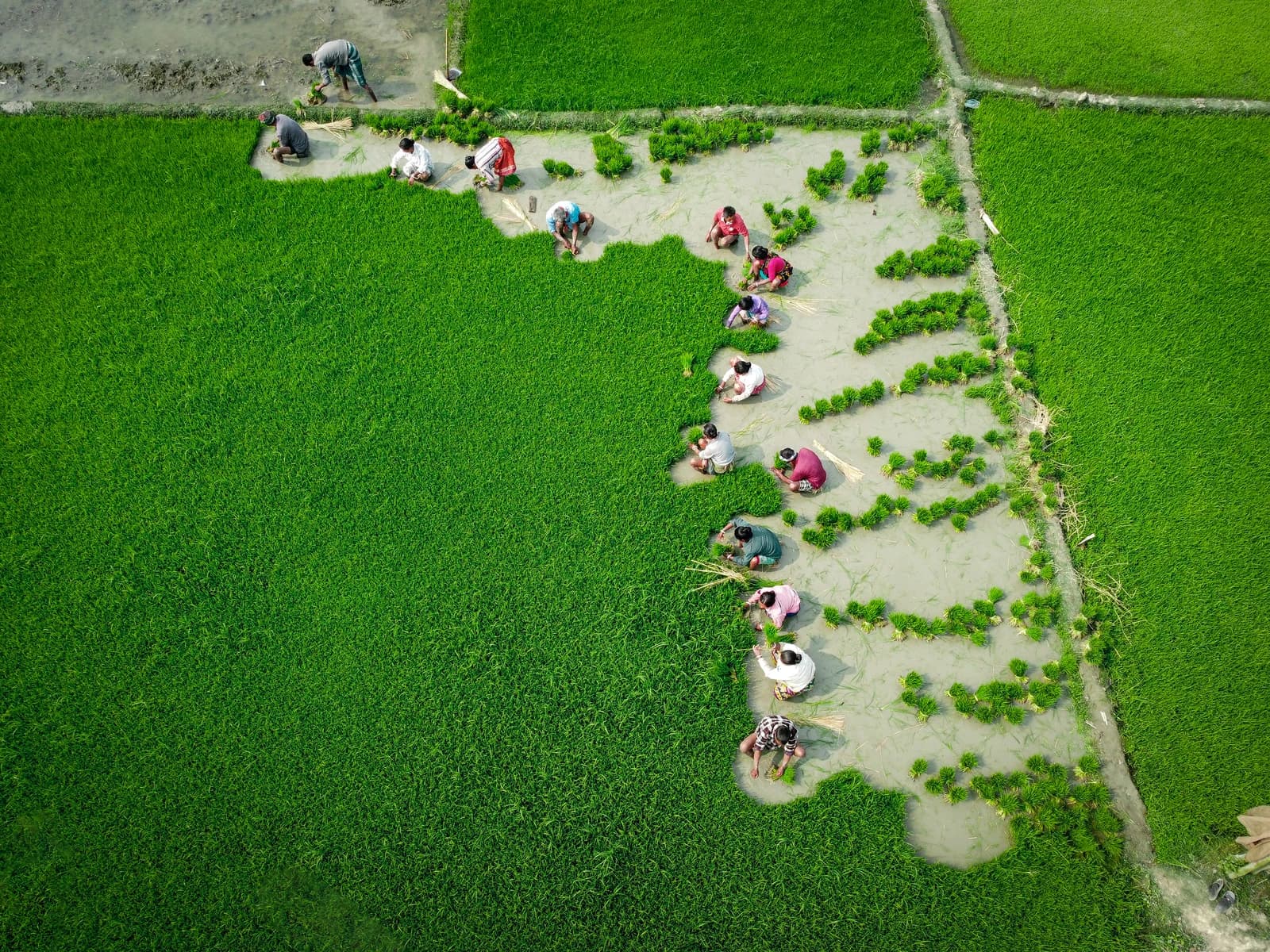
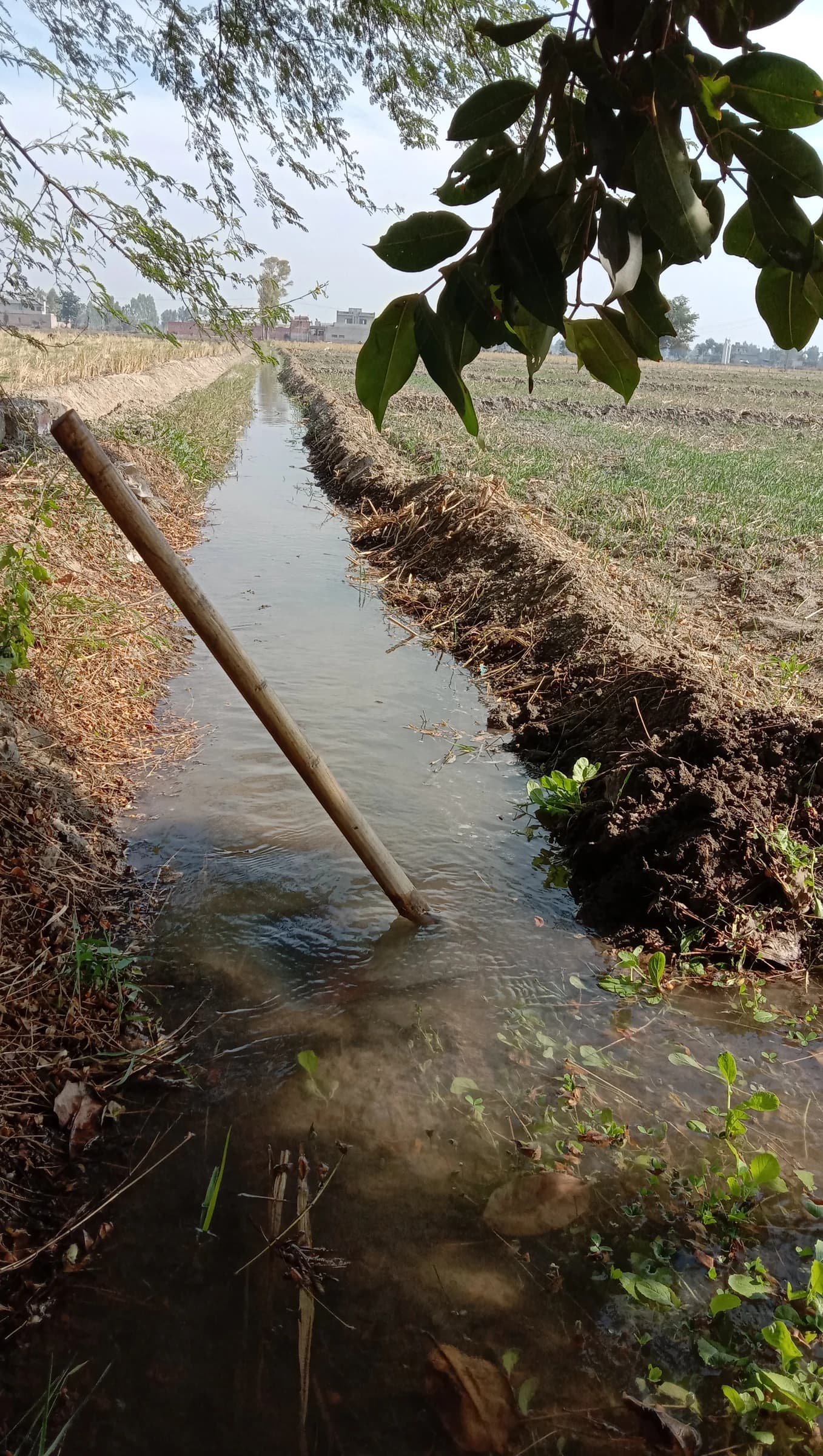
Hybrid rice seeds are giving Agusan del Sur farmers something rare in agriculture: a clear, measurable boost in output that can improve incomes without requiring more land. In a region where every extra sack of palay matters, bumper harvests from hybrid seed adoption point to a bigger story investors should care about — productivity gains in food production can matter more than acreage gains, especially when fertilizer, labor and climate risks keep rising.
Agusan del Sur Farmers Adopt Hybrid Rice Seeds
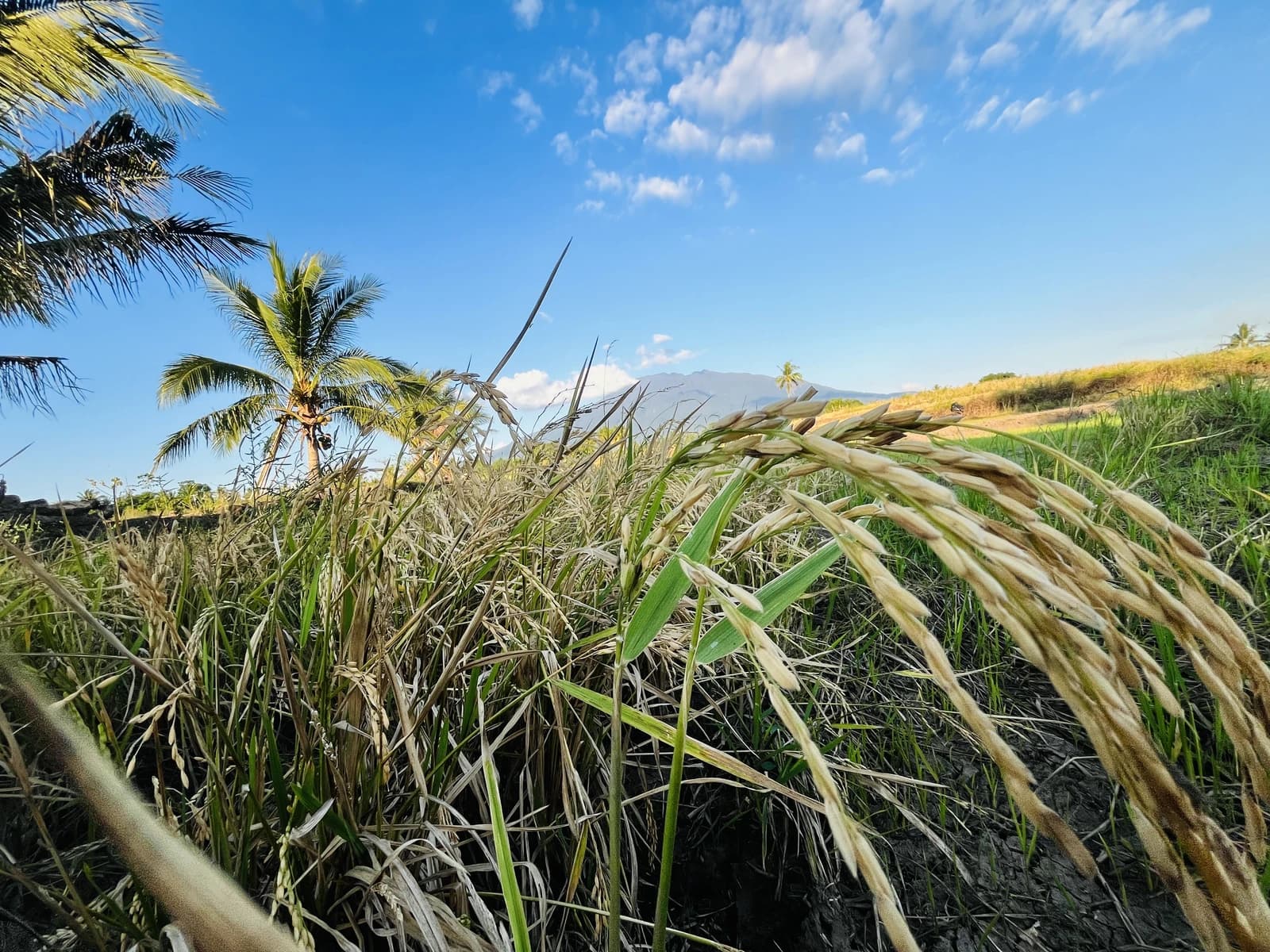
That matters economically because rice remains a staple crop, and better yields help cushion rural household budgets as well as local food supply. When farmers harvest more from the same field, they can spread fixed costs over more grain, potentially lifting margins even if prices do not rise. That is especially important in a market where agricultural input costs have been volatile and where higher production efficiency is one of the few durable ways to offset pressure on farm incomes.
Sentiment Indicators
The wider backdrop underscores why this is more than a local feel-good story. Crop markets have been uneven, with some areas reporting strong field performance and others facing disease threats or concerns over poor yields. In that setting, hybrid rice stands out as a practical tool, not a theoretical one. It offers a route to higher productivity that can be scaled across more farms if seed access, extension support and financing improve.
For investors, the implication is that seed technology remains one of the quiet winners in global agriculture. Farmers are not just buying a seed; they are buying a yield advantage. That supports the long-term case for companies tied to improved genetics, farm inputs and agricultural distribution, even if the stock market often focuses more on fertilizer or commodity price swings. The sector’s returns are ultimately driven by whether farmers see enough profit to keep adopting better technology season after season.
That is where long-term thinking pays off. Agricultural outperformance usually does not come from a single harvest, but from repeated gains that compound over years. If hybrid rice keeps delivering bigger yields in places like Agusan del Sur, it could reinforce a broader shift toward higher-productivity farming in Southeast Asia. For investors, that makes the theme worth watching — not as a trade, but as part of a multi-year food security and farm efficiency trend.
| Entity | Gains | Losses |
|---|---|---|
| Agusan del Sur farmers | ▲Higher yields and incomes | ▼Less upside from low-yield varieties |
| Seed developers | ▲Stronger adoption of hybrid genetics | ▼Slow-moving traditional seed sales |
| Local rice supply | ▲Bigger harvests, better buffer | ▼Scarcity pressure eases |
| Input-sensitive growers | ▲Better cost efficiency per hectare | ▼Inefficient producers lag behind |