Turkey’s widening crackdown on an alleged Ponzi-style investment scheme has moved from market disruption to criminal enforcement, with authorities detaining senior finance executives after the collapse of confidence in funds worth about $20 billion.
Turkey detains executives in $20 billion fund probe
The arrests matter because they point to a potential systemic abuse inside Turkey’s capital markets at a time when regulators are already trying to restore credibility after sharp swings in equities and heavy redemptions from investment funds. The probe began after the Capital Markets Board ordered the liquidation of 131 investment funds managed by seven firms, an extraordinary intervention that suggests officials believe the problem goes well beyond isolated mis-selling or poor risk management.
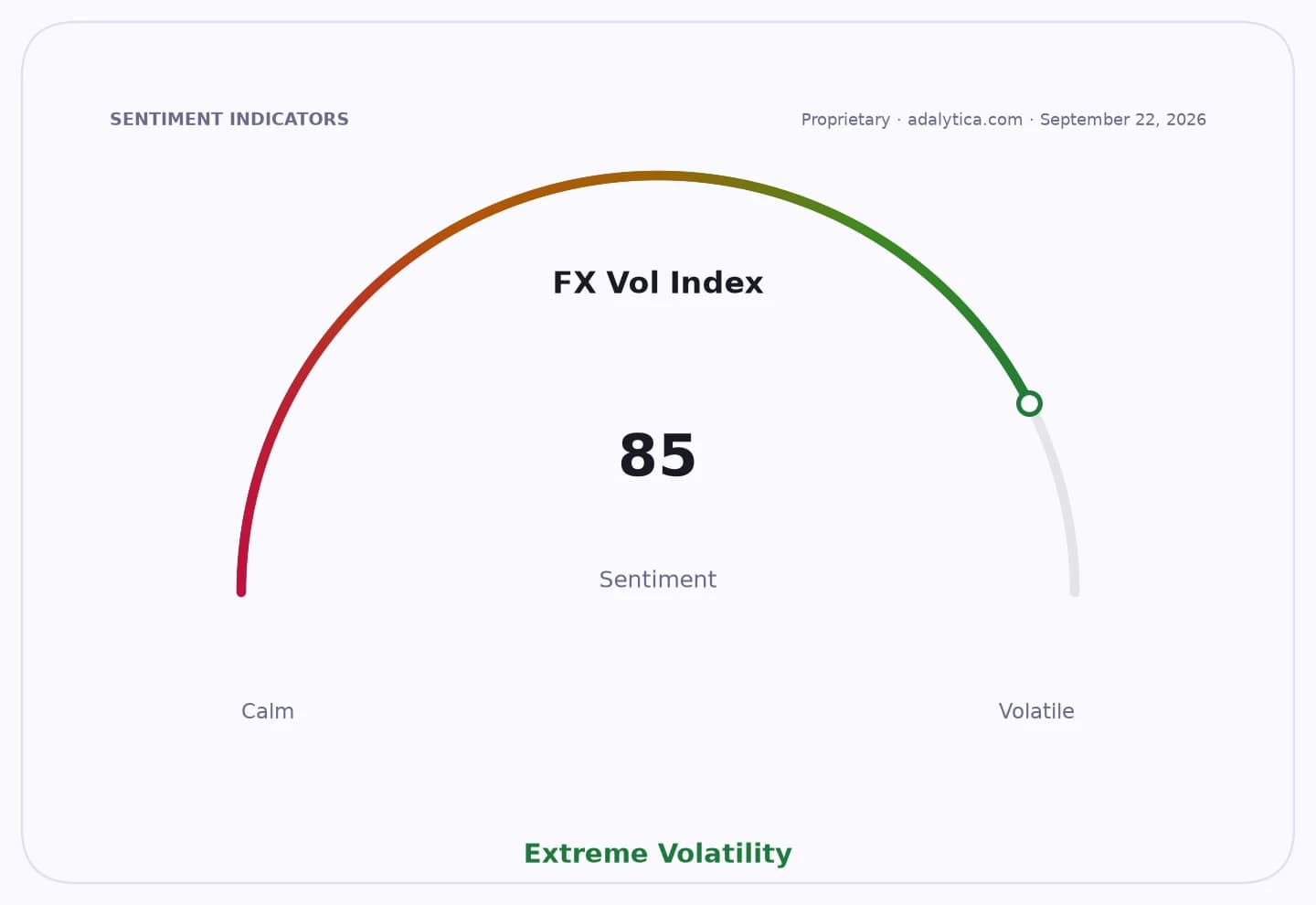
Sentiment IndicatorsⓘProprietary · adalytica.com · September 22, 2026
This is a snapshot — live sentiment, awareness and momentum for 130+ markets update continuously in the dashboard.Open AlphaPulse
Among those detained were Tera Holding chairman Emre Tezmen and board members Emre Alkın and Kerem Alkın, according to Turkish broadcaster NTV. Earlier, a warrant was issued for Pusula Holding chairman Serdar Turhan, while Destek Holding chairman Altunç Kumova was formally arrested after being held since Sept. 17. The firms’ own disclosures this week said they could not meet obligations in some funds because of mass outflows and failed redemption requests — the kind of liquidity strain that often exposes mismatches between the assets funds hold and the promises they make to investors.
For investors, the immediate issue is trust. When liquid funds cannot meet withdrawals, and the regulator moves to wind down scores of vehicles across multiple managers, the concern shifts from one company’s balance sheet to the functioning of the broader market. That is particularly sensitive in Turkey, where domestic savers and institutions already face a volatile macro backdrop and where market stress can quickly spill into equities, the lira and funding conditions.
The stock market reaction reflects that fragility. Turkish officials were forced to step in to support liquidity and limit panic after the scandal triggered strong selling pressure. Finance Minister Mehmet Simsek’s warning that anyone involved in illegal activity would face consequences was designed to reassure investors that the state is trying to ring-fence the damage, but the scale of the inquiry suggests the cleanup may take time.
The broader economic significance is that the case tests how aggressively Turkey can police capital-market misconduct without undermining confidence in the investment industry. A successful crackdown could strengthen the regulatory framework and reduce the odds of future abuses. But if the investigation uncovers wider links across fund managers, brokers and holding companies, it could deepen scrutiny of the sector, delay inflows and keep risk premiums elevated.
For now, the narrative is straightforward: what began as a fund crisis is turning into a high-profile fraud investigation, and the market impact is no longer just about redemptions. It is about whether investors will continue to believe Turkish financial products can be priced, traded and supervised reliably. That question will matter as long as the liquidation of the 131 funds, asset freezes and arrests continue to expand.
| Entity | Gains | Losses |
|---|---|---|
| Turkish regulators | ▲Credibility if crackdown succeeds | ▼Reputation if scheme spread wider |
| Honest fund managers | ▲Cleaner market, stronger trust | ▼Short-term industry stigma |
| Suspected executives/holding firms | ▲None | ▼Arrests, asset seizures, loss of control |
| Turkish investors | ▲Potentially safer market over time | ▼Redemptions, volatility, lost confidence |