Trump’s statement that the Iran-backed Houthis want to make a deal with the US points to a potential off-ramp in one of the Middle East’s most disruptive security flashpoints, even as the group’s advance around Yemen’s Red Sea coast keeps maritime and energy markets on edge.
Trump says U.S. is negotiating with Houthis
The economic significance is immediate: any pause in Houthi attacks would lower the risk premium built into shipping routes through the Bab el-Mandeb Strait, ease pressure on tanker and container freight, and reduce one of the channels feeding volatility in oil prices. That matters well beyond the conflict zone because the Red Sea is a critical corridor for trade between Europe, Asia and the Gulf, and because energy markets remain highly sensitive to any threat to waterways that move crude and refined products.
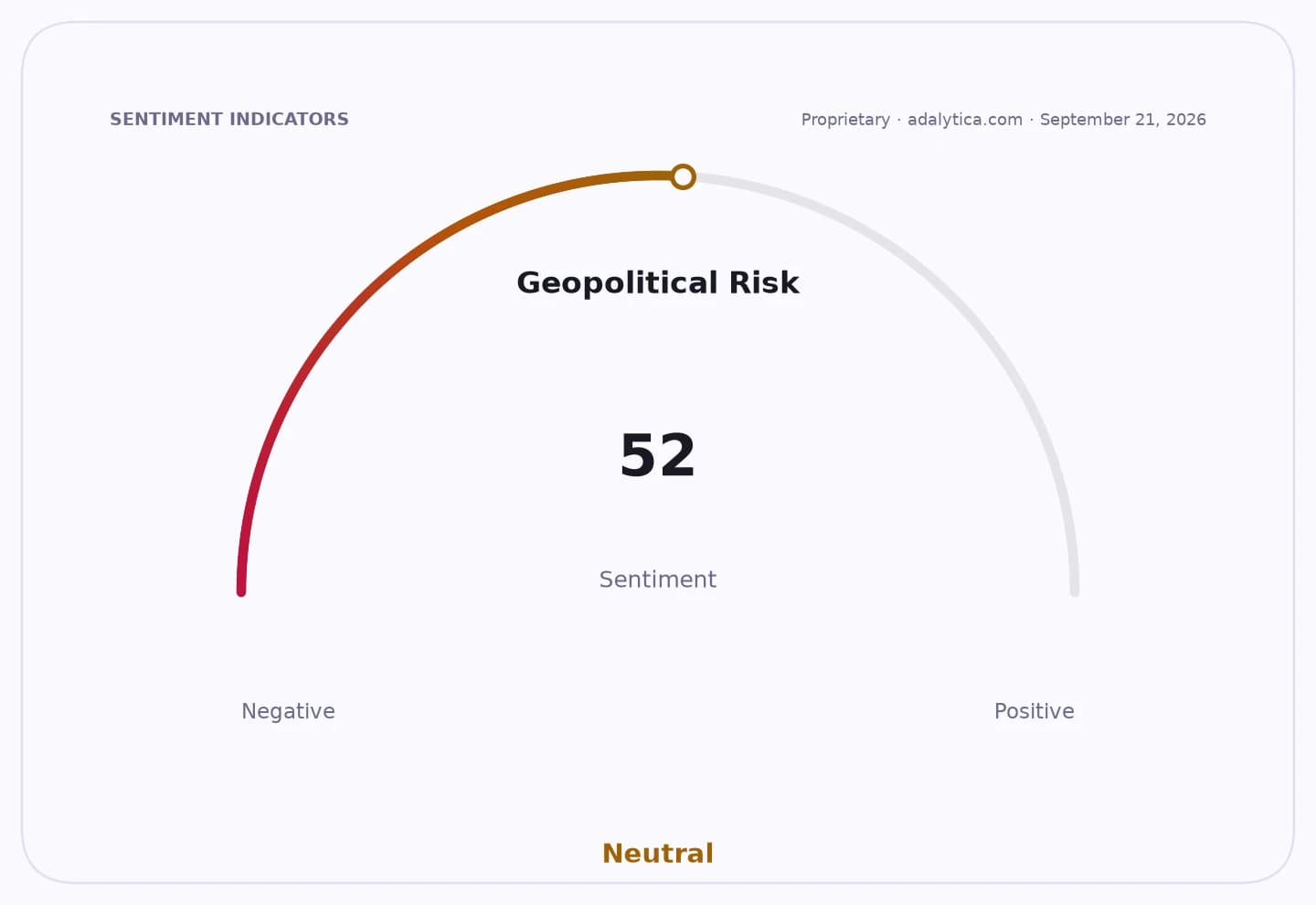
Sentiment IndicatorsⓘProprietary · adalytica.com · September 21, 2026
This is a snapshot — live sentiment, awareness and momentum for 130+ markets update continuously in the dashboard.Open AlphaPulse
Trump said in a NewsNation interview that the US is “also negotiating with the Houthis” and that they “want to see if we can make a deal,” adding a diplomatic dimension after months in which the group has expanded its reach in southwestern and western Yemen. The comment came after reports that he had rejected a Saudi request for strikes on the Houthis, and after US Vice President JD Vance said direct contact had been established with the group amid its push around the Red Sea.
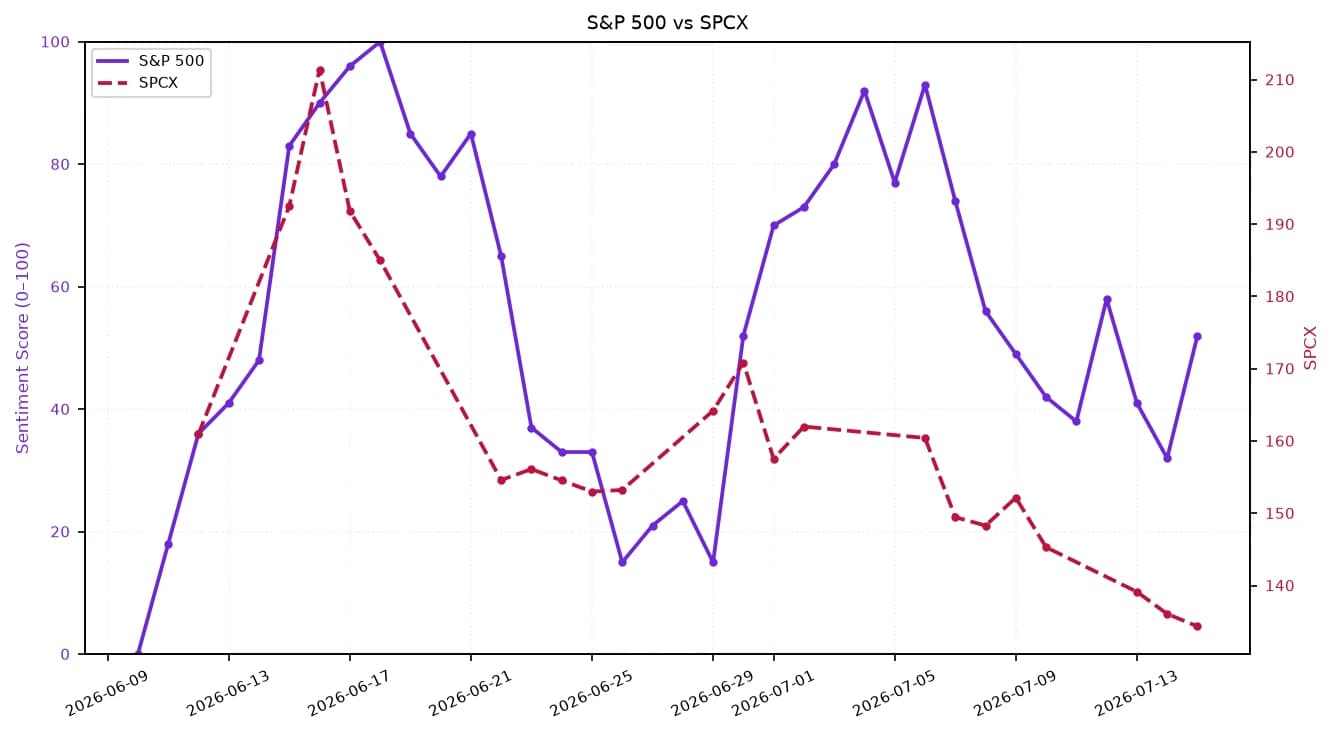
For investors, the main question is whether this is the start of a durable de-escalation or merely a tactical pause. Oil had already been trading with an elevated geopolitical bid, and USO, the oil ETF, still closed at $153.82 on Friday, far above its 50-day moving average of $132.53, with RSI readings above 75, a sign of stretched momentum. Energy equities have also been bid up: XLE closed at $64.31 versus a 50-day average of $61.18, while oil-services ETF OIH ended at $398.71, only slightly below its 50-day average but with its momentum cooling after a sharp run. Those levels suggest the market has been pricing in conflict risk and could unwind part of that premium if talks gain traction.
The backdrop remains fragile. The Riyadh-led coalition has accused the Houthis of causing dozens of civilian casualties in recent attacks on southern Saudi Arabia, and the group has been pressing its positions near the Red Sea coast and the Bab el-Mandeb. That keeps the bear case alive: even if Washington is exploring a deal, the Houthis have used attacks to extract concessions before, and Saudi Arabia and its allies may still choose to respond militarily if they see the threat as widening.
Still, the market’s first reaction would likely be through commodities, shipping insurance and defense exposure rather than broad equities. Brent and WTI would be vulnerable to a pullback in the event-risk premium, while freight-sensitive sectors could benefit if vessels need fewer reroutings around Africa. For energy producers and service firms, lower Middle East disruption would reduce near-term volatility but also trim the geopolitical tailwind that has supported valuations.
The next catalyst is whether Washington’s outreach becomes a formal channel that curbs attacks on shipping, or whether the Houthis use the prospect of a deal to buy time while keeping pressure on the Red Sea. For investors, that distinction will decide whether this is a genuine de-escalation trade or just another pause in a conflict that has repeatedly shown how quickly it can reverberate through oil and global logistics.
| Entity | Gains | Losses |
|---|---|---|
| US and Saudi Arabia | ▲Lower conflict risk | ▼Less leverage if talks stall |
| Shippers and insurers | ▲Fewer route disruptions | ▼Lower crisis pricing |
| Oil consumers | ▲Softer fuel costs | ▼None if supply risk fades |
| Energy producers and ETFs | ▲Support from higher prices if tensions persist | ▼Premiums unwind if deal advances |