The Trump administration’s decision to keep the $100,000 H-1B visa fee in place for another year extends a costly barrier for US employers that rely on skilled foreign labor and keeps pressure on Indian professionals, who dominate the program’s approvals.
Trump keeps $100,000 H-1B fee through 2027
The extension, which pushes the higher fee through Sept. 21, 2027, matters because it preserves a policy that directly changes the economics of hiring overseas talent into the US. For companies that use H-1B workers at scale — especially IT staffing and outsourcing firms — the added cost can reshape recruiting plans, accelerate offshoring and make some US roles uneconomic. For Indian workers, it raises the risk that one of the main pathways into the American labor market remains narrowed just as visa litigation and policy uncertainty continue.
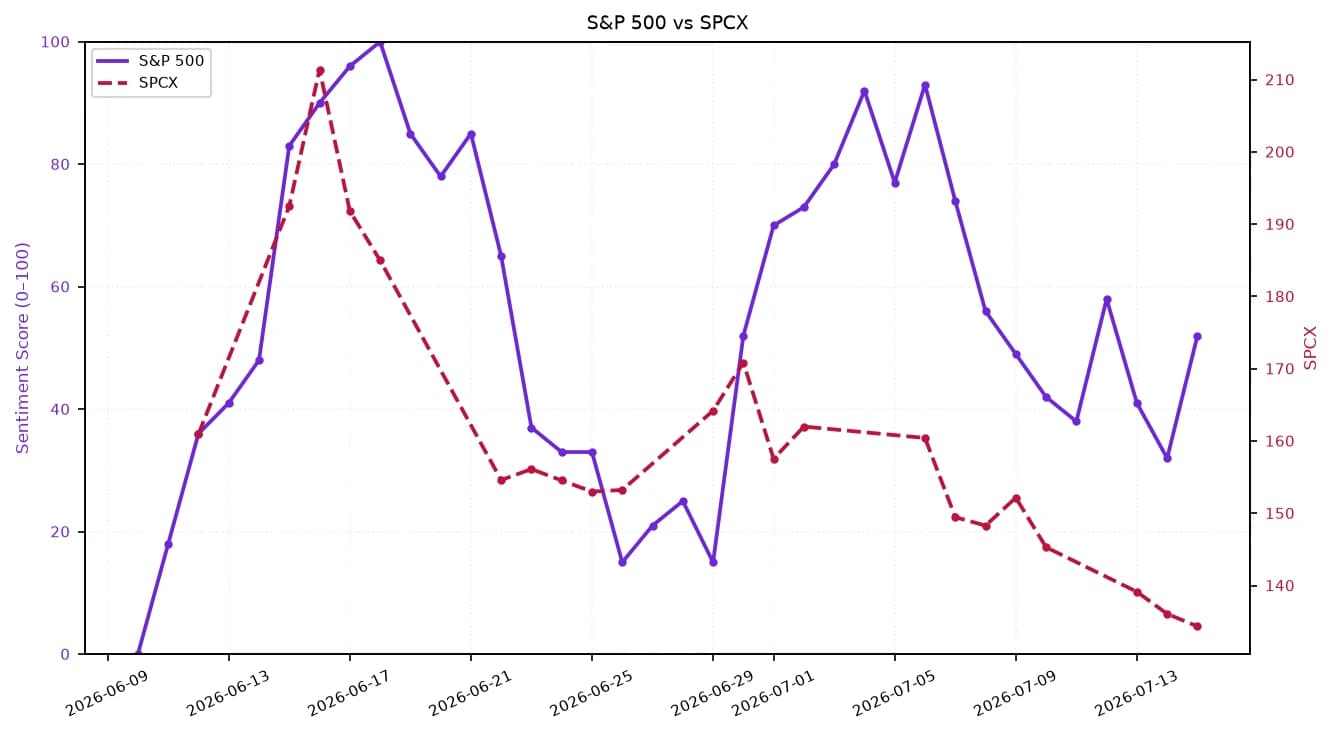
Sentiment IndicatorsⓘProprietary · adalytica.com · September 21, 2026
This is a snapshot — live sentiment, awareness and momentum for 130+ markets update continuously in the dashboard.Open AlphaPulse
The White House said the original September 2025 proclamation was designed to curb what it described as abuse of the H-1B system, particularly by outsourcing and staffing companies using workers in lower-paid positions before sending work abroad. It said the fee has already been paid on more than 700 petitions since the restriction took effect, and argued that filing patterns have shifted sharply.
According to the administration, the largest IT staffing and outsourcing companies cut H-1B registrations from 24,946 to 2,055, a decline of 92%, while consular-processing requests fell nearly 97% between the FY 2025 and FY 2027 cap seasons. It also said the share of registrants with at least a US master’s degree rose to 66.1% from 45.1%, while selections tilted toward the highest wage bands under a separate weighted selection rule.
For investors, the key implication is that the policy increases labor-cost and execution risk for Indian IT services firms and for US tech companies that depend on a global hiring pipeline. Indian firms such as Infosys and Wipro have already seen their US exposure complicated by tighter immigration rules and by a broader push to localize delivery, while US hyperscalers and other technology employers may need to absorb higher costs or compete more aggressively for domestic talent. The higher fee also strengthens the case for automation, nearshoring and offshore delivery models, which can pressure margins in some parts of the tech services chain while benefiting companies with larger domestic workforces.
The move is especially consequential for India because Indians accounted for 71% of approved H-1B petitions by country of birth in FY2024, far ahead of China at about 12%. That concentration means the policy’s economic impact is disproportionately felt by Indian engineers, developers and consulting staff, as well as by the firms that sponsor them or place them in US client sites.
A separate Department of Homeland Security proposal to impose a $103,265 H-1B fee under different legal authority adds another layer of uncertainty, though it is distinct from the $100,000 payment. The White House also said the latest order requires another review after the next H-1B lottery, keeping the issue live for employers and visa applicants while court challenges proceed.
The likely near-term result is a more restrictive, more expensive H-1B market that favors higher-paid applicants and large firms with deeper balance sheets, while raising the hurdle for staffing-heavy business models. For Indian professionals and their employers, the policy has become less a one-off shock than a structural constraint on US mobility, hiring plans and earnings visibility.
| Entity | Gains | Losses |
|---|---|---|
| US domestic workers | ▲More hiring leverage | ▼Less openness to foreign labor |
| Large US tech firms | ▲Better access to high-skill hires | ▼Higher recruitment costs |
| Indian IT staffing firms | ▲Push to localize/offshore work | ▼Lower US visa pipeline |
| Indian professionals | ▲Narrower path to US jobs | ▼Higher entry costs and uncertainty |