President Donald Trump is pressing the Federal Reserve to cut interest rates immediately, escalating a political fight over monetary policy just hours after the central bank lifted its benchmark rate by 25 basis points to 3.75%-4%.
Trump Presses Fed for Immediate Rate Cuts

The demand matters because it comes as the Fed is trying to keep inflation in check while the labor market remains strong, a combination that has supported expectations for tighter policy. A sudden shift toward much lower rates would ripple through borrowing costs, bank margins, Treasury yields and the dollar, even if it remains far outside the Fed’s current path.
Sentiment IndicatorsⓘProprietary · adalytica.com · September 17, 2026
This is a snapshot — live sentiment, awareness and momentum for 130+ markets update continuously in the dashboard.Open AlphaPulse
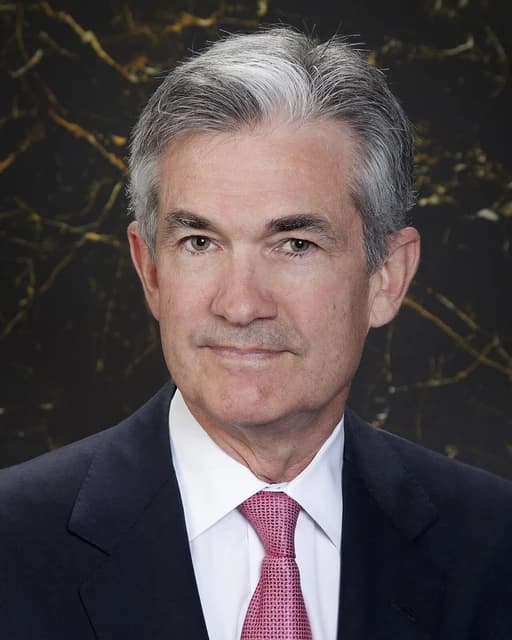
Trump said US rates “should be 1% or less,” arguing that America has the “best credit” in the world and that the country is “flying” on new investment. The message underscores the White House’s willingness to challenge the central bank at a time when Fed officials are still reacting to inflation readings that remain above target.
Markets were already positioned for a more restrictive Fed after recent data showed continued labor-market strength and persistent price pressures. The 10-year Treasury yield was trading near 5.05% in the data provided, while the dollar showed firm demand, with Adalytica’s US Dollar Trade Signals at 89, labeled “Extreme Greed,” suggesting investors are leaning into a stronger greenback.
FEDFUNDS vs DGS10 — macro contextadalytica.com
Explore this data interactively — full history, time series and cross-market comparisons.Open AlphaPulse
Rate-sensitive assets have also reflected the policy debate. The TLT Treasury ETF, which tracks longer-dated government bonds, was down to 80.88 on Sept. 16, with its 50-day moving average at 82.36 and RSI at 19.3, a level that typically points to oversold conditions under standard technical analysis. By contrast, SPY slipped to 754.05, still well above its 200-day moving average of 713.39, as equities absorbed the prospect of tighter financial conditions.
For banks, the policy path cuts both ways. Higher rates can support net interest income at lenders such as JPMorgan, Bank of America and Wells Fargo, but the SEC filings supplied show each has warned that lower rates would pressure asset yields and, by extension, earnings. That makes any eventual easing cycle important for the sector’s margins and valuation.
The bigger investor takeaway is that Trump’s call raises the stakes around the Fed’s next move and its communications. If inflation stays sticky, the central bank is likely to resist political pressure; if growth slows, rate-cut expectations could quickly reprice the dollar, Treasury bonds and rate-sensitive parts of the equity market.
| Entity | Gains | Losses |
|---|---|---|
| Borrowers | ▲Lower financing costs | ▼Higher monthly debt service |
| Banks | ▲Higher net interest income from tight policy | ▼Margin pressure if rates fall |
| Treasury bulls | ▲Potential upside if cuts arrive | ▼Losses if yields stay elevated |
| Dollar bulls | ▲Stronger currency on tight policy | ▼Softer dollar if cuts gain traction |