President Donald Trump is trying to turn a politically seductive but economically awkward promise into a midterm message, and many Republicans would rather not talk about it.
Trump $5,000 dividend pledge faces fiscal pushback
Trump’s latest pledge — that Americans could get a $5,000 “dividend” if Republicans win — is drawing the loudest attention from reporters, not from the candidates who need votes in battleground districts. That hesitation matters because it shows how quickly a populist campaign idea collides with the hard arithmetic of inflation, deficits and interest rates.
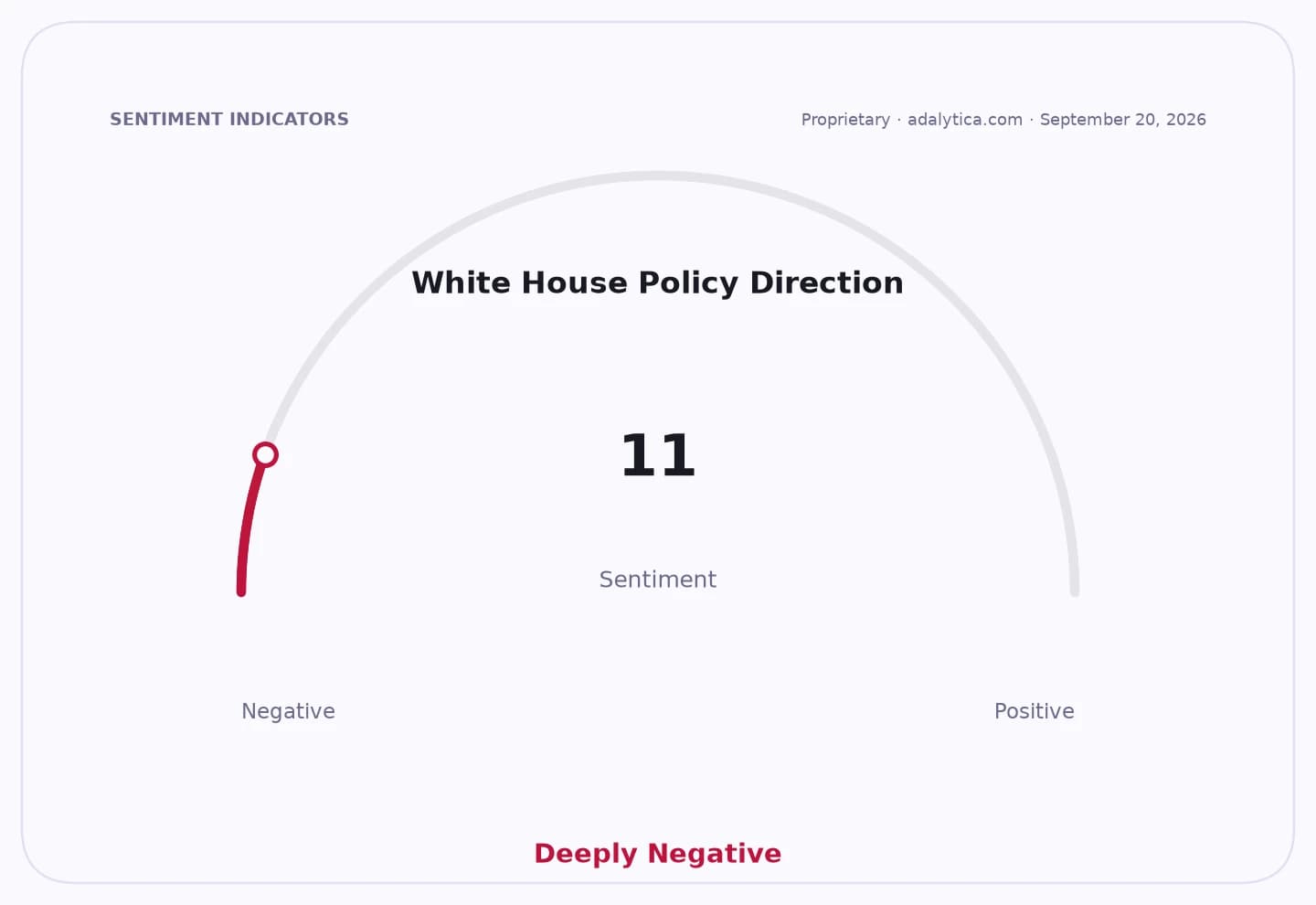
Sentiment IndicatorsⓘProprietary · adalytica.com · September 20, 2026
This is a snapshot — live sentiment, awareness and momentum for 130+ markets update continuously in the dashboard.Open AlphaPulse
A promise of this size is not pocket change. Trump has suggested the payout could be financed by savings from his Department of Government Efficiency effort and by tariff revenue, but neither source has proven reliable in the past. House Speaker Mike Johnson has already signaled that congressional action would be required, which means the idea faces the usual obstacles of budget scoring, legislative bargaining and Republican fiscal hawks who do not want to hand Democrats an easy line of attack.
That leaves the party in an awkward spot. Trump wants to campaign as the man putting money back in voters’ hands, a familiar and powerful pitch in an era of higher prices and fuel costs. But Republican candidates are trying to run on more concrete ground, including tax cuts on tips and overtime in the One Big Beautiful Bill Act, plus local issues that sound less like a national spending promise and more like a race they can actually defend.
For investors, the bigger issue is the macroeconomic one: a large, unfunded payment program would almost certainly be read as inflationary, especially with the economy already dealing with elevated interest rates. In other words, even if the promise is never enacted, the political pressure behind it reinforces a market narrative that fiscal largesse is not going away. That is the kind of backdrop that keeps bond yields sensitive, supports the dollar and complicates the outlook for rate cuts.
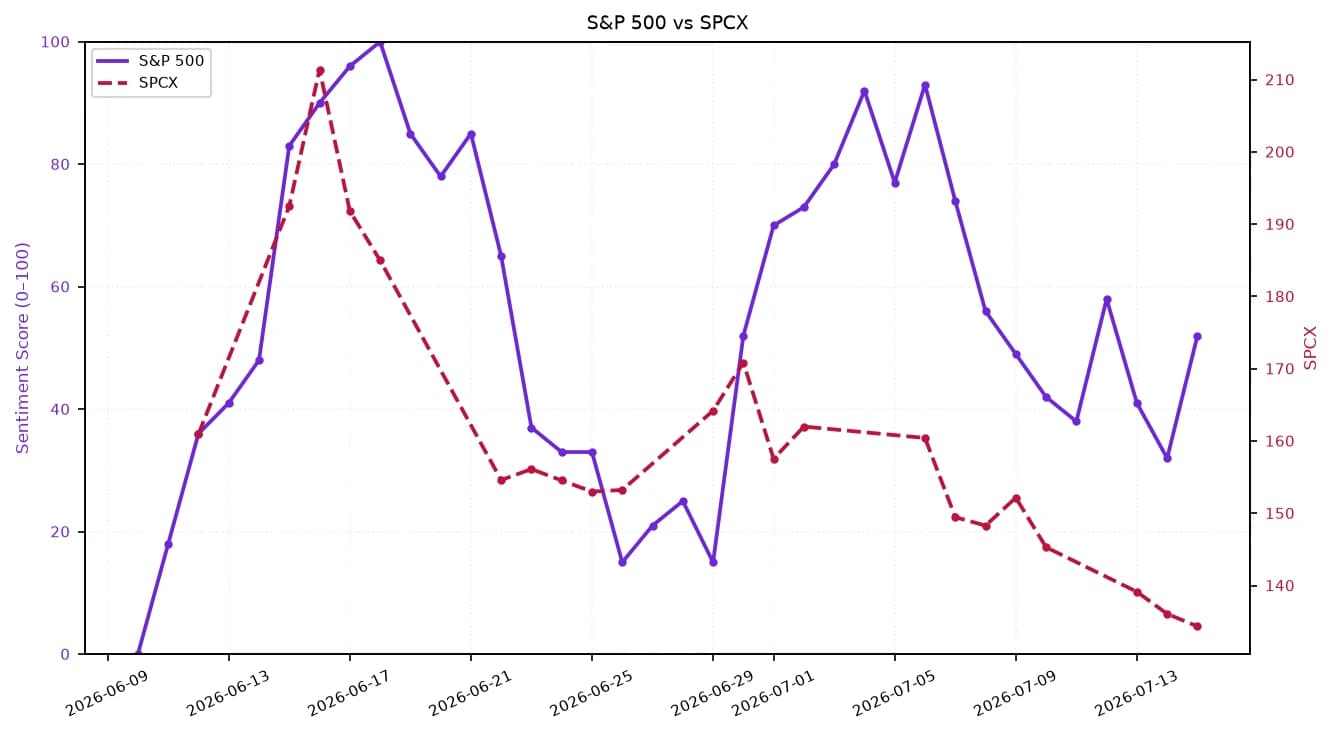
The market clues in the data echo that tension. The 10-year Treasury yield is hovering around 5%, a level that tells you investors are not pricing in a benign fiscal environment. At the same time, the S&P 500 remains near record territory, suggesting equities are still willing to look through the noise for now. But if Washington keeps flirting with expensive stimulus while inflation remains sticky, the winners and losers will not be evenly distributed: banks and cash-rich businesses can often live with higher rates, while rate-sensitive sectors tend to feel the strain.
That is why Republicans’ silence is so revealing. Campaigns usually amplify the ideas they think help them with swing voters. When they sidestep their own president’s signature pledge, it is usually because they fear the economic argument is weaker than the political one. Democrats have already spotted the opening, dismissing the plan as another broken promise that could cost more than $1 trillion.
Long term, investors should watch the issue less as a literal check in the mail and more as a sign of where fiscal policy is headed. The more Washington leans on direct payments, tariff-fueled promises and election-year cash politics, the more investors have to consider the risk of higher inflation, higher yields and a more volatile policy backdrop. That makes quality balance sheets, pricing power and durable cash generation even more important. For buy-and-hold investors, this is a story worth watching closely, not because the $5,000 dividend looks likely, but because the politics around it could shape rates and returns for years.
| Entity | Gains | Losses |
|---|---|---|
| Trump | ▲Populist appeal | ▼Fiscal credibility |
| Republican candidates | ▲Short-term voter excitement | ▼Message discipline |
| Bond investors | ▲Higher yields | ▼Price stability |
| Consumers | ▲Potential cash promise | ▼Inflation risk |